How to Choose a Dehumidifier: Capacity, Room Size, Drainage and ENERGY STAR
Dehumidifier capacity ratings changed in 2019, which confuses a lot of shoppers. Here's how to read the specs, size one for a damp room and pick the right drainage.
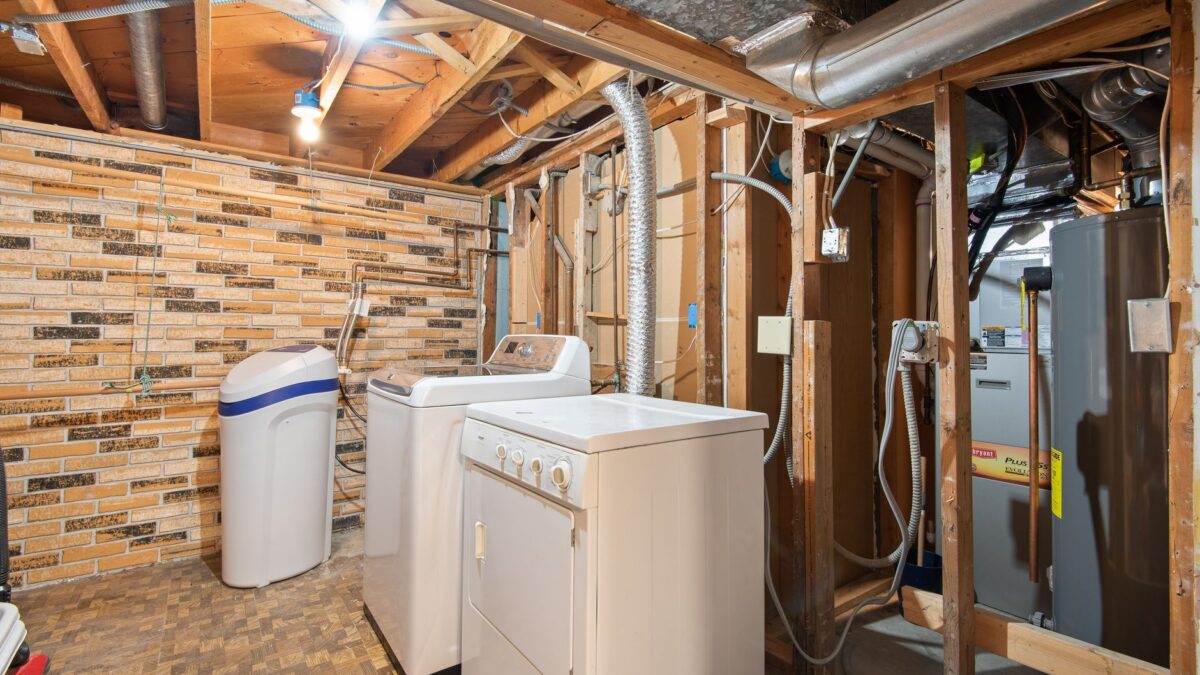
Choose a dehumidifier by how much water it removes per day (its pints-per-day capacity), the size and dampness of the space, and how it will drain. Since mid-2019, U.S. capacity ratings use a cooler, more realistic Department of Energy test, so a model rated “35 pints” today roughly matches what used to be sold as about 60 pints. The goal is to keep indoor relative humidity between about 30 and 50 percent, the range the EPA recommends, and to fix the source of the moisture too.
First: do you need one?
A dehumidifier helps in spaces that stay damp: basements, crawlspace-adjacent rooms, laundry areas and humid climates. Signs include a musty smell, condensation on windows or cold pipes, damp walls and a hygrometer (an inexpensive humidity meter) that reads above 50 to 60 percent for long stretches. It will not fix a leak, a flooded basement or poor drainage outside, so address those first. Our guide on whether a dehumidifier helps with mold explains what it can and cannot do, and why condensation on windows is often a humidity clue.
Capacity: the 2019 rating change
In June 2019, new Department of Energy rules changed how dehumidifiers are tested. Portable units are now tested at 65°F instead of 80°F, closer to real basement conditions. Cooler air holds less moisture, so the same machine removes less water in the test and gets a smaller capacity number. ENERGY STAR publishes an approximate conversion:
| Old rating (pre-2019) | Approximate new rating |
|---|---|
| 30 pints/day | About 20 pints/day |
| 50 pints/day | About 30 pints/day |
| 60 pints/day | About 35 pints/day |
ENERGY STAR notes the conversion is approximate and varies by model. When you compare models or read older advice, check which test the number comes from. Some listings show both.
Sizing for your space
Makers publish sizing guidance by room area and dampness, and it varies by brand, so use the chart in the product manual or listing. As a general logic:
- Small, moderately damp room (a bedroom or small office): a smaller-capacity unit is often enough.
- Large or very damp basement: choose a higher-capacity unit; it removes water faster and does not have to run as hard.
- Wet spaces, cold basements or whole-home needs: consider larger units designed for these conditions or a whole-home system installed by an HVAC pro.
When in doubt between two sizes, many buyers go one size up for a damp basement, since an undersized unit may run almost constantly and still not reach the target humidity.
Key features compared
| Feature | What to look for | Why it matters |
|---|---|---|
| Humidistat | Adjustable target humidity, with a readout | Lets you hold 30–50% instead of over-drying |
| Drainage | Bucket, gravity hose port, or built-in pump | Decides how often you empty it |
| Low-temperature operation | Auto-defrost and a rated minimum temperature | Cool basements can frost the coils |
| Efficiency | ENERGY STAR certification; Integrated Energy Factor (L/kWh) | Higher IEF means more water removed per unit of electricity |
| Filter | Washable air filter that is easy to reach | Dusty filters reduce airflow |
| Auto-restart | Resumes settings after a power cut | Useful in basements you rarely visit |
| Noise | Maker’s stated decibel figure, if given | Matters in living or sleeping areas |
| Bucket size and full shut-off | Easy-lift bucket with splash guard | Prevents overflow if you rely on the bucket |
Drainage options
Bucket
Simplest, but in a damp basement you may be emptying it once or more a day. All units shut off when the bucket is full.
Gravity drain hose
A garden-type hose runs from the unit to a floor drain or sump. The drain must be lower than the outlet, and the hose should run downhill without kinks.
Built-in condensate pump
Pushes water up and out, for example into a utility sink or out a basement window. Handy where there is no floor drain; check the maker’s stated lift height and hose length.
ENERGY STAR and running costs
Dehumidifiers can run for many hours a day, so efficiency matters. ENERGY STAR certified models meet efficiency criteria set by the EPA. Rather than trusting a savings claim, compare the Integrated Energy Factor across models of similar capacity and consider how many hours you expect to run it. Setting the humidistat sensibly (around 45 to 50 percent rather than as low as possible) also avoids wasted run time.
Setting up and maintaining it
- Place it with space around it. Follow the manual’s clearance, usually several inches from walls and furniture, and away from dusty corners.
- Close windows and doors to the space so it is not trying to dry the outdoors.
- Set the target to around 45 to 50 percent and check with a separate hygrometer.
- Clean the air filter as the manual directs, often every few weeks in heavy use.
- Wash the bucket regularly with warm water and dish soap to prevent musty smells and slime; rinse and dry.
- Store it clean and dry at the end of the season.
Keeping humidity down also helps discourage moisture-loving pests; see how to get rid of silverfish.
Safety notes
- Plug directly into a properly grounded outlet; avoid extension cords unless the manual allows a specific type.
- Do not operate a unit that has been under floodwater; have it checked or replaced.
- Check for recalls on older units by model number at the CPSC website.
- For mold larger than about 10 square feet, mold in HVAC systems or after flooding, the EPA recommends professional help.
Bottom line
Size by capacity under the current DOE test, not old pint ratings. Choose a model with an adjustable humidistat, low-temperature operation for basements and a drainage method that fits your space, and favor ENERGY STAR certified units. Keep humidity between about 30 and 50 percent and fix the moisture source.
FAQ
What humidity should I set my dehumidifier to?
The EPA recommends keeping indoor humidity between 30 and 50 percent. Many people set 45 to 50 percent to balance comfort and running time.
Why do new dehumidifiers seem to have lower capacity?
Because the test changed in 2019 to cooler conditions. The machines did not get weaker; the number is measured differently.
Can I run a dehumidifier in a cold basement?
Choose a model with auto-defrost and check its minimum operating temperature in the manual. Below that, it may frost up and stop removing water.
Is a dehumidifier the same as an air purifier?
No. A dehumidifier removes moisture; an air purifier filters particles. Some units have basic filters, but they are not a substitute for a HEPA purifier.