How to Clean a Toilet: Bowl, Rim, Seat Hinges and the Brush
A thorough toilet clean takes about ten minutes if you work in the right order and let the cleaner sit. The one rule that matters most: one product at a time.
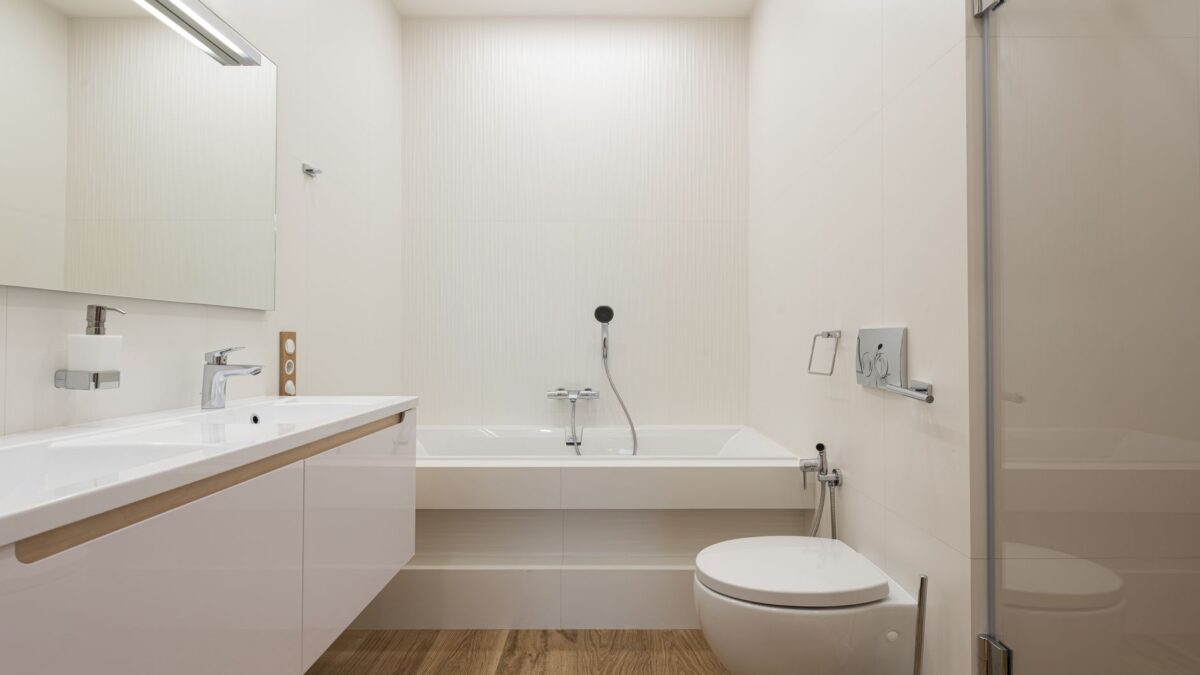
To clean a toilet, apply a toilet-bowl cleaner under the rim and let it sit for the time on the label while you wipe the outside from the top down (tank, handle, lid, seat, hinges, base), then scrub the bowl and flush. Use one bowl cleaner at a time: many are acidic, and mixing an acid cleaner with bleach releases chlorine gas. Flush between products and keep the room ventilated.
What you need
- Rubber gloves (keep a pair just for the toilet)
- A toilet-bowl cleaner, or a disinfectant labeled for toilets
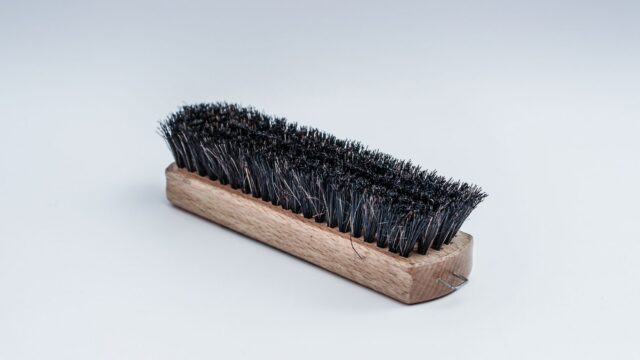
- Toilet brush with a holder that drains
- All-purpose bathroom cleaner, or dish soap and water
- Paper towels or color-coded cloths used only for the toilet
- An old toothbrush for hinges and the base
- Optional: a pumice stone made for toilets, for mineral rings on white porcelain
Step by step
- Ventilate and glove up. Turn on the exhaust fan or open a window.
- Flush and apply bowl cleaner. Squirt it under the rim all the way around so it runs down the sides. Leave it for the wait or contact time on the label. If you want to disinfect, the label’s contact time is the part that matters: the surface has to stay wet for that long.
- Clean the outside, top to bottom. While the bowl cleaner works, spray the tank lid, flush handle, tank sides, lid and seat (both sides), then the rim and outside of the bowl, and finally the base and floor around it. Wipe each part with a fresh section of paper towel or cloth. Working down means drips land on areas you have not cleaned yet.
- Do the hinges. Many seats have caps over the bolts that flip open, or seats that lift off with a quick-release button. Open or remove them and scrub the hinge area with a toothbrush; it collects grime you cannot reach otherwise.
- Scrub the bowl. Work under the rim first, then the sides, then down into the drain opening as far as the brush reaches.
- Flush and rinse the brush in the clean flush water.
- Dry and put back. Let the brush drip dry over the bowl, clamped under the seat, before putting it in its holder.
Under the rim and the jets
The small holes under the rim release flush water. When they clog with mineral deposits, flushes get weaker and streaks run down the bowl. Look with a small mirror. Clean them with a bowl cleaner and a stiff brush, or poke gently with a bent wire hanger on porcelain only. For the inside of the tank, see our separate guide on how to clean a toilet tank.
Removing the toilet ring
A gray or brown ring at the waterline is usually mineral scale, sometimes with stains embedded.
- First: an acidic bowl cleaner or plain white vinegar left on the ring, then scrubbing. Lowering the water level helps the cleaner stay on the stain: turn off the supply valve behind the toilet and flush.
- Stubborn rings on white porcelain: a wet pumice stone made for toilets. Keep the stone and the porcelain wet, rub lightly, and check your progress often. Pumice packaging cautions that some colored porcelain bowls are fragile and can be damaged by abrasives, so test first. Do not use it on colored, coated or non-porcelain surfaces, or on the seat.
- Not recommended: steel wool, wire brushes, or scouring powder on a dry bowl, which can scratch the glaze and make future stains stick more.
More on mineral deposits around the bathroom is in how to remove hard water stains.
Never mix toilet cleaners
Toilets are where cleaners get mixed by accident, because people try one, then add another. Common bowl cleaners fall into different chemical families:
| Type | Examples on labels | Never combine with |
|---|---|---|
| Acidic bowl cleaners | Hydrochloric acid, citric acid, lactic acid | Bleach or bleach-based cleaners |
| Bleach-based cleaners and gels | Sodium hypochlorite | Acids, vinegar, ammonia, rubbing alcohol |
| In-tank drop-ins | Often chlorine (calcium hypochlorite) or other chemicals | Anything poured into the bowl; check the toilet maker’s warnings |
If you switch products, flush several times first so the bowl holds clean water. CDC guidance on bleach is direct: never mix bleach with other cleaners or disinfectants, because the vapors can be very dangerous to breathe (CDC).
Caring for the toilet brush
- Rinse it in clean flush water after each use and let it drip dry before storing.
- Empty and wash the holder now and then; standing water at the bottom gets smelly.
- Replace the brush when bristles are flattened, discolored or falling out. Silicone brushes shed less, but nylon bristles reach under the rim better on some bowls.
How often to clean a toilet
- Every few days: a quick brush of the bowl and a wipe of the seat and handle.
- Weekly: the full routine above.
- Monthly: hinges, base, the floor behind the toilet, and a look at the rim jets.
- When someone is sick with a stomach bug: clean and then disinfect high-touch spots (handle, seat, lid) with a product labeled for that use, following its contact time.
Our bathroom cleaning schedule puts it alongside the rest of the room.
Safety basics
Read and follow the label, including contact time for disinfecting. Ventilate, wear gloves, and keep products in their original containers out of reach of children and pets. Bowl cleaners can be corrosive, so avoid splashing and protect your eyes. If someone swallows, inhales or gets a cleaning product in the eyes, call Poison Control at 1-800-222-1222 (US) or emergency services.
Bottom line
Put bowl cleaner under the rim first, clean the outside top to bottom while it works, open the hinge caps, then scrub and flush. Use wet pumice only on white porcelain for stubborn rings. One product at a time, flush between products, and never let bleach meet an acid cleaner.
FAQ
Can I use bleach to clean a toilet?
Yes, if you follow the label and use it alone. Do not use it with acidic toilet cleaners, vinegar or ammonia, and flush away any other cleaner first.
Is vinegar enough to clean a toilet?
Vinegar helps loosen light mineral rings, but it is not a registered disinfectant. Use a labeled disinfectant when you need to disinfect.
Why does my toilet get a ring so quickly?
Hard water, a toilet that is rarely flushed, or a scratched glaze that holds stains. Brushing every few days helps.
What is the pink ring in my toilet?
Usually a bacterial film, not mold. See our guide to pink “mold” in the shower for how to clean it.