How to Get Rid of Mold in the Shower: Grout, Caulk and Corners
Most shower mold scrubs off hard surfaces with detergent and a stiff brush. The real fix is drying the shower faster, and caulk with mold underneath has to be cut out and replaced.
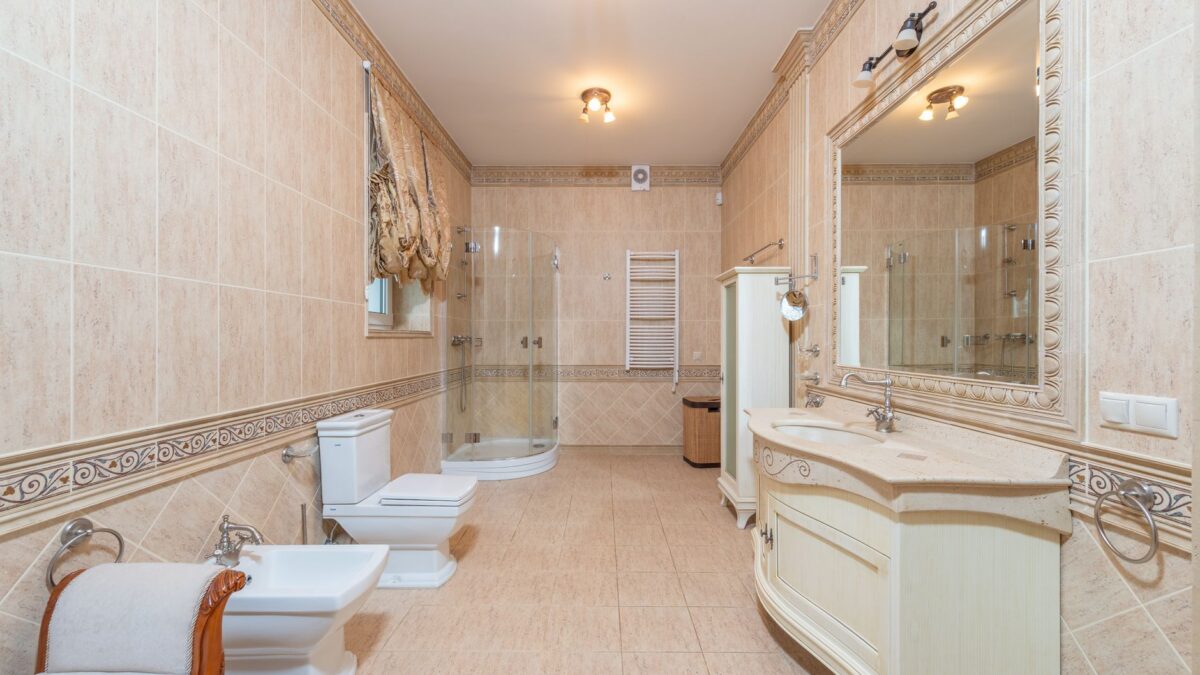
For mold on shower tile and grout, scrub with detergent and warm water and a stiff brush, rinse, and dry the area. If you want a disinfecting step, use a product registered for that job and follow its label, or diluted household bleach made exactly as directed. Mold that has grown under or inside silicone caulk usually will not come out, so the caulk has to be removed and replaced. Whatever you use, never mix bleach with vinegar, ammonia or acidic toilet and tile cleaners: the fumes are dangerous.
Why showers grow mold
Mold needs moisture and something to feed on. A shower gives it both: water that sits in grout lines and corners, plus a film of soap residue and skin oils. The U.S. Environmental Protection Agency’s guidance on household mold is blunt about the order of operations: deal with the moisture, or the mold comes back. In its brief guide to mold and moisture, the EPA suggests running a fan or opening a window and cleaning more often when mold keeps returning in a shower, and keeping indoor humidity below 60 percent, ideally between 30 and 50 percent.
So treat cleaning as step one and drying as step two. A ten-second habit after each shower (squeegee the walls, leave the curtain spread out, run the fan) does more over a year than any spray.
What you need
- Rubber or nitrile gloves and eye protection (goggles if you are scrubbing overhead)
- Dish soap or an all-purpose bathroom detergent
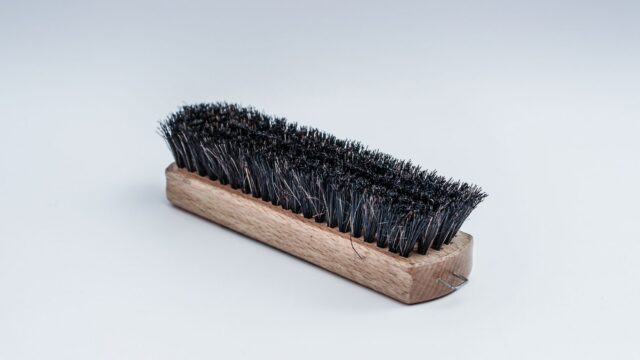
- A stiff nylon brush or old toothbrush for grout lines
- Microfiber cloths or a squeegee
- Optional: a mold and mildew bathroom cleaner or plain household bleach, used only per its label
- For caulk replacement: a utility knife or caulk removal tool, rubbing alcohol for prep, and mold-resistant silicone bathroom caulk
How to clean mold off shower tile and grout
- Ventilate first. Turn on the exhaust fan and open a window or the door. Put on gloves.
- Wet the area and apply detergent. A few drops of dish soap in a bucket of warm water is enough for light spotting. Let it sit a few minutes to loosen soap film.
- Scrub the grout lines. Work along each line with a stiff brush. Nylon bristles are fine; skip wire brushes, which can scratch glazed tile and wear away grout.
- Rinse well with clean water and look again. Surface mold on glazed tile usually lifts at this point. Grout may keep a dark stain even when the growth is gone.
- Optional disinfecting step. If staining remains or you want to disinfect, use one product only. For plain bleach, the U.S. Centers for Disease Control and Prevention gives a general dilution of 4 teaspoons of regular unscented household bleach per quart of room-temperature water, or 5 tablespoons (1/3 cup) per gallon, unless the bottle gives its own directions, which take priority (CDC bleach guidance). Apply it with a cloth or brush, keep the surface wet for the contact time on the label, then rinse.
- Dry everything. Wipe down walls, the floor and the ledge. Leave the fan running afterward.
A note on bleach: the EPA does not recommend chlorine bleach as a routine part of mold cleanup, and scrubbing with detergent is the main step. Bleach lightens stains on hard, non-porous surfaces, but it does not fix the moisture problem and it can fade colored grout. Mix fresh bleach solution each time; CDC notes a diluted solution loses effectiveness after 24 hours.
Bleach, non-bleach and homemade options compared
| Option | Good for | Watch out for |
|---|---|---|
| Dish soap or detergent and water | Light spotting, routine weekly cleaning | Needs real scrubbing; it removes growth, it does not disinfect |
| Diluted household bleach (per label/CDC) | Stubborn stains on glazed tile and white grout | Fumes, fading colored grout, never with acids or ammonia; rinse after |
| Registered mold and mildew bathroom cleaner | Convenience, built-in contact time | Read the active ingredient; many contain bleach, so do not use after an acidic cleaner without rinsing first |
| Hydrogen peroxide (3%) or oxygen bleach | Lightening grout stains without chlorine | Spot-test colored grout; never combine with vinegar in one container |
| White vinegar | Soap film and hard-water spots on glazed tile | Not on natural stone; never use right before or after bleach without rinsing |
Homemade mixes clean; they are not registered disinfectants. If you want a product that is reviewed for safer ingredients, look for the EPA Safer Choice label.
When the caulk has to go
Silicone caulk is flexible and slightly porous at its edges. When mold gets behind it or into it, you see black spots that sit under the surface and do not move no matter how long you scrub. That caulk needs replacing. The EPA also advises against painting or caulking over moldy surfaces, so clean and dry before you seal anything.
- Cut along both edges of the old bead with a utility knife and pull it out. Scrape away the residue.
- Scrub the joint with detergent, rinse and let it dry completely. Overnight with the fan running is ideal.
- Wipe the joint with rubbing alcohol to remove soap film and let it flash off. Keep it away from any bleach.
- Apply a continuous bead of mold-resistant silicone bathroom caulk and smooth it.
- Leave the shower unused for the full cure time printed on the tube.
When it is not a DIY job
The EPA says most people can handle mold patches smaller than about 10 square feet (roughly 3 feet by 3 feet). Call a professional if the growth is larger, if it keeps returning from behind tile or through the wall (a sign of a leak), if the subfloor feels soft, or after water damage from a flood or burst pipe. If you have asthma, allergies or a weakened immune system, it is sensible to ask someone else to do the scrubbing. If you have symptoms you think are linked to mold, talk to a doctor.
Keep it from coming back
- Run the exhaust fan during the shower and for a while afterward. If the mirror stays foggy, check that the fan actually moves air; see our guide to cleaning a bathroom exhaust fan.
- Squeegee walls and glass after each use. It also cuts down on soap scum, which mold feeds on.
- Clean weekly with detergent before spots get established.
- Wash the shower curtain liner on a regular cycle, and hang towels to dry fully.
- Seal cement grout once it is clean and dry, following the sealer’s label. Our guide to cleaning grout covers how.
Safety basics
Follow the label on any cleaner, including disinfectant contact times. Ventilate the room, wear gloves, test on a hidden spot, and keep products in their original containers, out of reach of children and pets. Rinse the surface with water between different products. If someone swallows, inhales or gets a cleaning product in the eyes, call Poison Control at 1-800-222-1222 (US) or emergency services.
Bottom line
Scrub, rinse, dry. Detergent and a stiff brush remove most shower mold from tile and grout. Use bleach or a registered mold cleaner only as the label says, never with acids or ammonia. Replace caulk with mold inside it. Then fix the moisture: fan, squeegee, weekly wipe-down.
FAQ
Is black mold in the shower dangerous?
Color does not tell you the species, and small amounts of bathroom mold are common. It can irritate people with allergies or asthma, so clean it promptly and see a doctor about symptoms.
Can I mix bleach and vinegar to make it stronger?
No. Bleach with vinegar or any acid releases chlorine gas. Use one product, rinse with water, and only then use another if you must.
Why does the mold come back after a week?
The surface stays wet too long, or mold is growing under caulk or behind tile. Improve ventilation, dry the shower after use, and replace moldy caulk.
Should I paint over mold on the shower ceiling?
No. Clean and dry it first, then fix ventilation. Painting over active growth hides it without stopping it.