How to Clean Grout: Floor and Shower Grout, Stains and Sealing
Dirty grout usually needs a brush and patience, not harsh chemicals. Start mild, move up one step at a time, and seal cement grout when it is clean and dry.
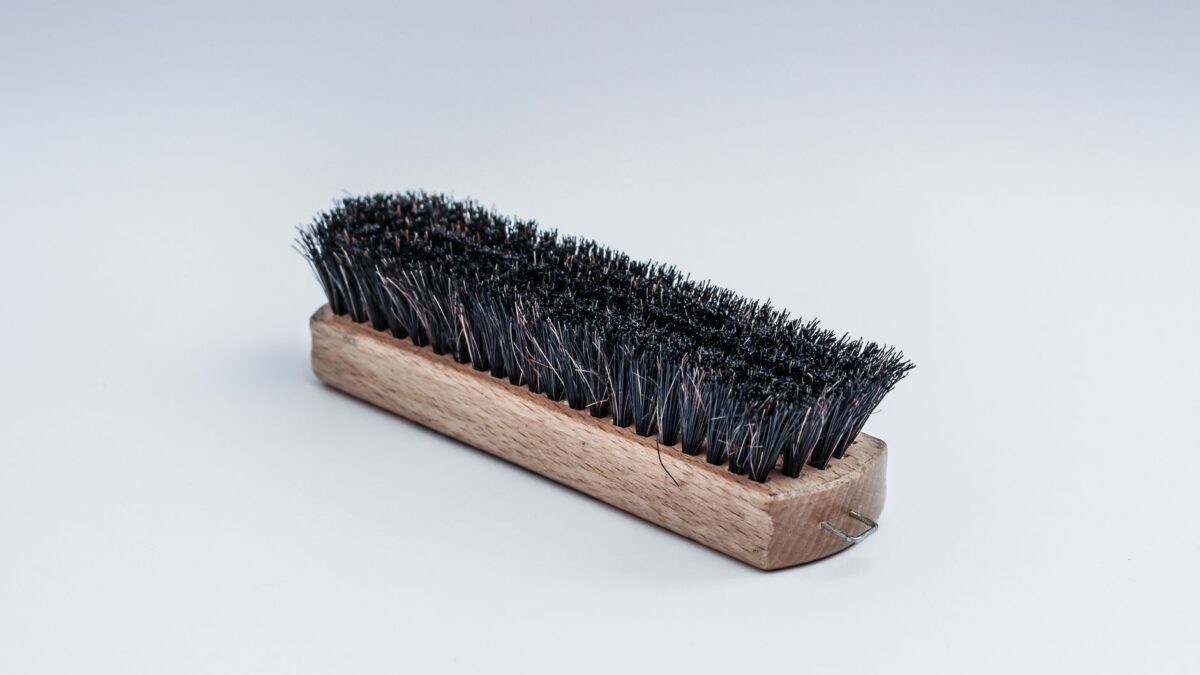
To clean grout, start with warm water, a little dish soap and a stiff nylon brush, then rinse and dry. For deeper stains, use a baking soda paste or an oxygen bleach solution made per its label, let it sit 5 to 15 minutes, scrub and rinse. Avoid wire brushes and frequent acid cleaners on cement grout, and never mix bleach with vinegar or any acidic tile cleaner.
Why grout gets dirty (and why it turns black)
Most household grout is cement-based, which makes it porous. It soaks up mop water, spills, soap residue and body oils, and it holds onto them. On floors, the dark color is usually ground-in soil from footsteps and dirty mop water. In showers, darkening is more often soap film, mineral deposits, and mold or mildew that feeds on that film in damp corners.
A quick way to tell them apart: grime that lightens with detergent and a brush is dirt. Black or green spots clustered in corners and low joints that stay wet are more likely mold. If spots keep coming back from under the grout or the tile feels loose, water may be getting behind it. See our guide to getting rid of mold in the shower for that case.
What you need
- Gloves and eye protection
- A stiff nylon grout brush or old toothbrush
- Dish soap or a pH-neutral floor cleaner
- Baking soda
- Optional: 3% hydrogen peroxide (the brown-bottle kind) and oxygen bleach powder
- Bucket, microfiber cloths, and a fan or open window
- Penetrating grout sealer, if your grout is cement-based
Step-by-step: a light-to-strong approach
- Clear and rinse. Sweep or vacuum floor tile first so you are not scrubbing grit into the joints. In the shower, rinse the walls with warm water.
- Detergent and brush. Mix a few drops of dish soap into warm water. Scrub along each grout line, working in small sections. Rinse with clean water and wipe dry. This alone handles most routine dirt.
- Baking soda paste for set-in grime. Mix baking soda with a little water (or with 3% hydrogen peroxide for light-colored grout) into a thick paste. Spread it along the lines, wait 5 to 10 minutes, scrub, and rinse thoroughly. Spot-test peroxide on colored grout first, since it can lighten it.
- Oxygen bleach for heavy staining. Dissolve oxygen bleach powder in warm water at the strength on the package. Apply it to the grout, let it work for the time the label gives, scrub and rinse well. It is a good option for colored grout because it is gentler on color than chlorine bleach, but still test first.
- Steam, if you own a steamer. A handheld steam cleaner with a small nozzle can loosen grime in glazed tile grout. Check the tile and floor maker’s guidance first, and skip steam on unsealed natural stone or near loose tiles.
- Dry and wait. Let the grout dry completely, ideally overnight with a fan running, before you seal it.
Floor grout vs shower grout
| Floor grout | Shower grout | |
|---|---|---|
| Main problem | Ground-in soil, mop water residue | Soap film, minerals, mold in damp spots |
| Best first step | Vacuum, then detergent and brush | Detergent and brush after a warm rinse |
| For stains | Baking soda paste, oxygen bleach | Oxygen bleach, or diluted chlorine bleach per label for mold on white grout |
| Prevention | Change mop water often, do not over-wet | Squeegee, run the fan, wipe weekly |
What damages or etches grout
- Frequent acid cleaners on cement grout. Vinegar, lime and rust removers and many toilet-bowl cleaners are acids. Occasional use on glazed tile to cut mineral spots is common, but repeated acid soaking can wear down cement grout. Rinse well whenever you use one.
- Any acid on natural stone. Marble, limestone and travertine etch on contact with acids. Use a pH-neutral cleaner labeled for stone.
- Wire brushes and metal scouring pads. They gouge grout and can scratch glazed tile.
- Chlorine bleach on colored grout. It can fade or blotch the color.
- Mixing products. Never mix bleach with vinegar, ammonia or acidic tile cleaners, and never mix vinegar and hydrogen peroxide in one container. Rinse with water between products.
Epoxy grout is non-porous and more stain resistant than cement grout. It usually needs only regular cleaning and no sealer, but check the installer’s or maker’s care sheet.
Sealing grout after cleaning
A penetrating grout sealer slows down how fast dirt and water soak in. It does not make grout waterproof or stain-proof, but it makes the next cleaning easier.
- Make sure the grout is clean and fully dry.
- Ventilate the room and read the sealer label for how long to wait after cleaning.
- Apply with the applicator tip or a small brush along the joints only.
- Wipe any sealer off the tile surface within the time on the label, so it does not leave a haze.
- Keep water off for the full cure time.
How often to reseal depends on the product and the traffic. A simple check: drip some water on the grout. If it darkens quickly, it is soaking in and probably due for another coat.
When grout is beyond cleaning
Grout that is cracked, crumbling, missing in spots, or stained from deep inside after several rounds of oxygen bleach is a candidate for regrouting or a grout colorant. Cracked grout in a shower lets water behind the tile, so it is worth fixing quickly.
Safety basics
If you prefer store-bought cleaners reviewed for safer ingredients, look for the U.S. EPA Safer Choice label. Follow product labels, open a window or run the exhaust fan, wear gloves, test on a hidden spot, and keep cleaners in their original containers away from children and pets. If someone swallows, inhales or gets a cleaning product in the eyes, call Poison Control at 1-800-222-1222 (US) or emergency services.
Bottom line
Use the mildest method that works: detergent and a stiff brush, then baking soda paste, then oxygen bleach. Rinse and dry thoroughly, seal cement grout, and keep acids off natural stone. Never combine cleaners. A quick weekly brush keeps grout from getting to the deep-clean stage; our bathroom cleaning schedule shows where it fits.
FAQ
Can I use vinegar to clean grout?
Occasionally, on glazed tile with cement grout, and rinse well. Avoid making it a routine soak, and never use it on natural stone or together with bleach.
Does baking soda and vinegar clean grout better together?
The fizz is the two neutralizing each other, which leaves mostly salty water. Use each on its own, rinsing in between.
Why is my grout still dark after cleaning?
Deep staining, mold under the surface, or residue from soapy cleaners. Rinse with plain water, try oxygen bleach, and consider regrouting if nothing changes.
Do I need to seal epoxy grout?
Generally no; epoxy grout is non-porous. Check the product or installer instructions to be sure.