Car Smells Like Rotten Eggs: Causes, Fixes and When to Get Help
A rotten egg smell in your car often points to the catalytic converter, fuel system or battery. Learn how to tell which one it is and what to do next.
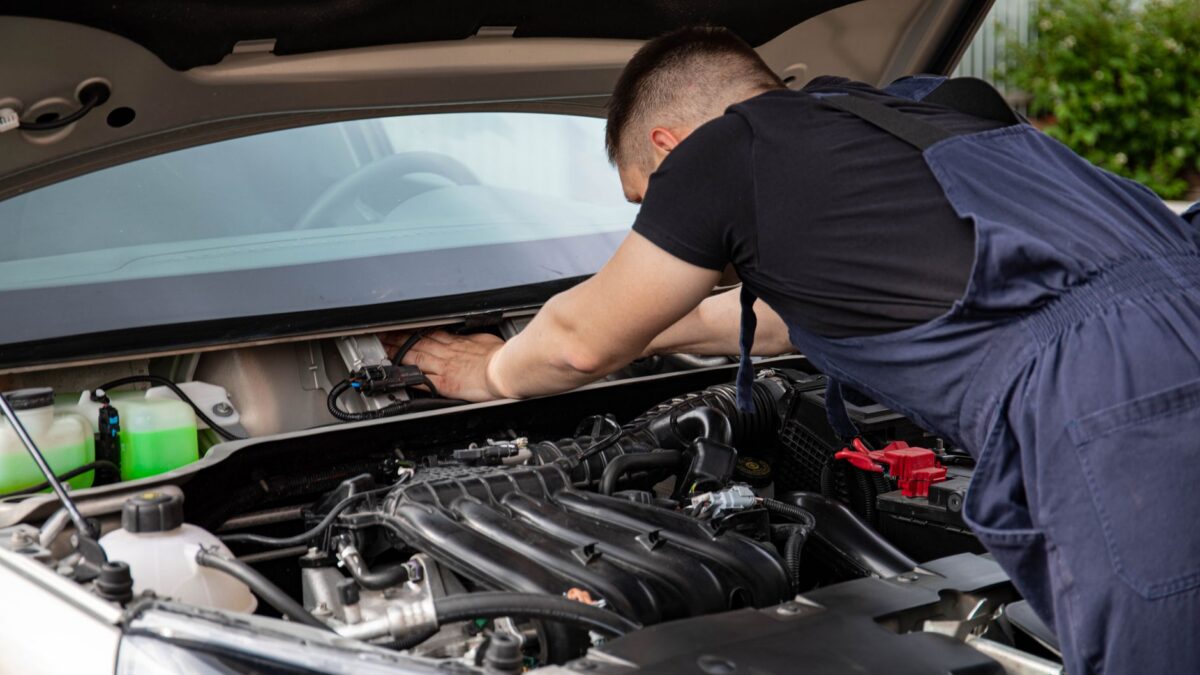
A rotten egg or sulfur smell from a car usually comes from one of three places: the catalytic converter, the fuel system or the battery. The smell is caused by hydrogen sulfide or sulfur compounds, and while some causes are minor, others involve fuel, fumes or battery acid, so it is worth finding the source promptly.
Start with where and when you smell it
The location and timing of the smell helps narrow down the cause before anyone opens the hood.
- Behind the car or when you accelerate: points to the exhaust and catalytic converter.
- Under the hood after charging or jump-starting: points to the battery.
- Near the rear of the car or after fueling: points to the fuel system or a poor fuel batch.
- Inside the cabin only: could be exhaust leaking in, or a battery under a seat or in the trunk.
Cause 1: The catalytic converter
The catalytic converter changes harmful exhaust gases into less harmful ones. Gasoline contains small amounts of sulfur, and when the converter is not working as it should, that sulfur can leave the tailpipe as hydrogen sulfide, which smells like rotten eggs.
Signs that point to the converter include:
- a check engine light
- reduced power or sluggish acceleration
- poor fuel economy
- a rattling noise from under the car
- a failed emissions test
An engine that runs too rich, a misfire or a worn converter can all produce the smell. Because the underlying fault can damage the converter further, a mechanic should read the engine codes and inspect the exhaust. Do not keep driving for weeks with a persistent smell and a warning light.
Cause 2: Fuel
Sometimes the problem is simply the fuel. A tank of gasoline with a higher sulfur content can cause a brief sulfur smell, especially after a long period of stop-start driving. If the smell appeared right after a fill-up and fades over a tank or two, fuel quality is a likely cause.
A fuel system fault is more serious. A leak, a faulty fuel pressure regulator or an engine running rich can add raw fuel smell to the exhaust. If you smell raw gasoline as well, read our guide to a car that smells like gas, since a fuel leak is a fire risk and should be checked right away.
Cause 3: The battery
A lead-acid battery that is overcharged, damaged or failing can release hydrogen sulfide gas from the sulfuric acid inside it. This is a rotten egg smell you notice most under the hood or near the battery itself.
- Look for a swollen, warm or leaking battery case.
- Look for white or blue-green corrosion around the terminals.
- Note whether the smell started after a jump-start or after the alternator was replaced.
The gas can irritate the eyes, nose and throat, and battery acid causes burns. If you see a leaking or bulging battery, switch the engine off, keep sparks and flames away, ventilate the area and have the battery checked or replaced by a professional. Wear gloves and eye protection if you must touch it, and never lean over it.
Other possible causes
- Exhaust leak: a hole or damaged joint can let exhaust fumes reach the cabin.
- Transmission or differential fluid: older gear oil can have a sulfur smell and may indicate a leak or overheating.
- Cabin odors: a damp carpet or an old spill can also smell sulfur-like. See how to get a smell out of a car if you have ruled out the engine.
What to do right now
- Open the windows if you smell exhaust inside the cabin and have the car checked quickly. Exhaust contains carbon monoxide, which is odorless and dangerous.
- Stop driving if you also smell raw fuel, see smoke, or the battery looks swollen or leaking.
- Check the dashboard for a check engine light, a battery warning or a temperature warning.
- Look under the hood once the engine has cooled, without touching the battery if it looks damaged.
- Book an inspection with a qualified mechanic if the smell persists, returns on acceleration or comes with a warning light.
If anyone feels dizzy, has a headache or feels sick while the car is running, get into fresh air and seek medical help. In an emergency, call your local emergency number.
How to prevent the smell
- Follow the maintenance schedule in the owner’s manual, including spark plugs and filters.
- Fix a check engine light rather than ignoring it, because misfires can overheat the converter.
- Buy fuel from busy stations and avoid running the tank very low.
- Have the battery and charging system tested if the battery is several years old.
Quick answers
Is a rotten egg smell from my car dangerous?
It can be. Exhaust and battery fumes are harmful, and a fuel leak is a fire risk. If the smell is strong or comes with warning lights, stop driving and have the car inspected.
Why does my car smell like sulfur after a fill-up?
It may be fuel with higher sulfur content, which often fades after the tank is used. If it keeps happening, have the exhaust and engine checked.
Can I drive with a failing catalytic converter?
You may be able to drive for a short time, but a failing converter can reduce power, raise emissions and lead to a failed inspection. Have it examined soon.
Can a bad battery really smell like rotten eggs?
Yes. An overcharged or damaged lead-acid battery can release hydrogen sulfide. Treat it with care and ask a professional to test or replace it.