How to Clean a Car Engine Bay Safely (and When to Leave It Alone)
A clean engine bay makes leaks easier to spot and work less messy. The trick is going gently: cold engine, covered electrics, light rinse and no blasting.
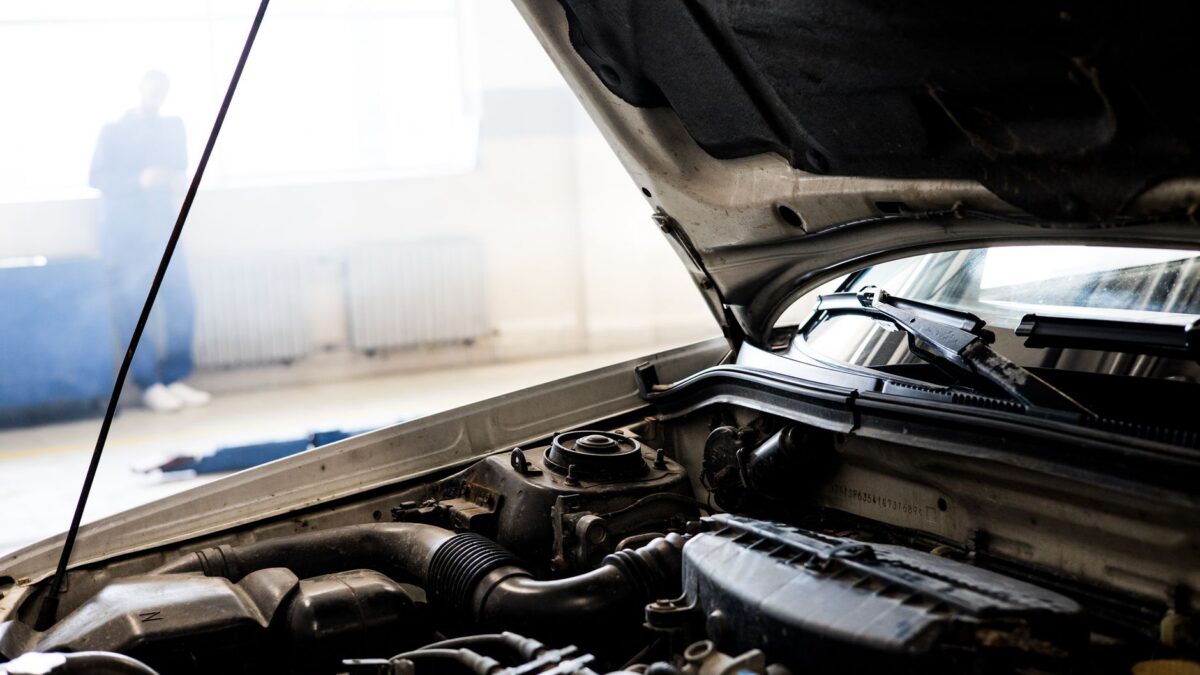
To clean an engine bay, work only on a cold engine, cover the alternator, fuse box, exposed electrical connectors and air intake, spray a degreaser or all-purpose cleaner labeled for engines, agitate with soft brushes, and rinse with a gentle, low-pressure stream rather than a pressure washer at close range. On hybrids and electric vehicles, check the owner’s manual first: never spray or scrub high-voltage components (usually marked with orange cables and warning labels), and if the manual says not to wash under the hood, just wipe it.
A cleaned engine bay won’t make a car run better, but it does help. Oil, coolant and fluid leaks are easier to spot on clean surfaces, routine checks are less messy, and a tidy bay can help when you sell the car. Here is how to do it without creating an electrical problem.
When it’s worth doing
- Before selling a car or after buying a used one, to see what you’re dealing with.
- After a leak repair, so any new leak shows up clearly.
- Once or twice a year for a car that sees dusty roads, winter salt or leaves and debris in the cowl.
When to skip it: if there’s an active fluid leak (get it fixed first, as degreasing just hides the evidence), if wiring looks brittle or damaged, or if your manual advises against washing the engine compartment.
What you need
- Your owner’s manual
- Plastic bags or plastic wrap and painter’s tape
- An engine degreaser or all-purpose cleaner labeled safe for engine bays, plastics and rubber
- Soft detailing brushes, plus a stiffer brush for the metal parts only
- A garden hose with a gentle shower or mist setting
- Microfiber towels and a leaf blower or compressed air (optional) for drying
- Gloves and eye protection
- A water-based plastic and rubber dressing (optional)
Gas and diesel cars: step by step
- Let the engine cool completely. Hot surfaces can burn you, make degreaser flash-dry and cause stains, and sudden cold water on hot metal isn’t kind to parts. Wait several hours after driving, or do it first thing in the morning.
- Remove loose debris. Pull leaves and twigs out of the cowl area at the base of the windshield, and vacuum or blow out dust.
- Cover sensitive parts. Use plastic bags and tape over the air intake or filter box opening, the alternator, the fuse and relay box, exposed electrical connectors and any open ignition parts. Many modern cars have sealed, covered engines, but covering is cheap insurance.
- Disconnect the battery if your manual recommends it. Some cars lose radio presets or need a relearn procedure after disconnection, so follow the manual.
- Lightly wet the bay with a gentle shower, avoiding the covered parts.
- Apply degreaser to greasy areas, working from the bottom up so it doesn’t streak. Keep it off painted body panels unless the label says it is paint-safe, and leave it only for the time on the label.
- Agitate with soft brushes on plastic covers and hoses, and the stiffer brush only on bare metal and heavy grease.
- Rinse gently from the top down with low pressure. Don’t aim directly at electrical connectors, sensors or the covered areas.
- Remove the coverings and dry. Blot standing water with microfiber towels, blow out crevices with a leaf blower or compressed air, and leave the hood open in the sun or a ventilated spot to finish drying.
- Start the engine and let it idle for several minutes to drive off remaining moisture. Reconnect the battery first if you disconnected it.
- Dress plastics and rubber if you like, with a water-based, non-greasy product. Keep dressing off belts and pulleys.
Hybrids and electric vehicles
Hybrid and electric vehicles carry high-voltage systems that are dangerous to tamper with. High-voltage cables are typically orange and components carry warning labels. Rules of thumb:
- Read the manual’s cleaning section first. Some makers allow a gentle wash of the front compartment; others recommend only wiping.
- Never pressure-wash, soak or scrub high-voltage parts, the inverter or power electronics, or charging components.
- Don’t open covers or disconnect anything high-voltage. That’s a job for trained technicians.
- For many EVs, the front storage area is just a trunk: vacuum it and wipe it with a damp microfiber cloth.
What to use where
| Area | Use | Avoid |
|---|---|---|
| Plastic engine covers | All-purpose cleaner, soft brush, water-based dressing | Solvent-heavy degreasers, glossy silicone that attracts dust |
| Rubber hoses and seals | Mild cleaner, soft brush | Petroleum solvents that can swell or crack rubber |
| Greasy metal (valve cover, brackets) | Engine degreaser, stiffer brush | Wire brushes on painted or coated parts |
| Electrical connectors, fuse box | Cover them; wipe the outside of the box only | Direct spray, soaking |
| Belts and pulleys | Leave alone | Dressings and degreasers |
| Underside of the hood | Damp microfiber; check if the insulation pad is fabric | Soaking the pad |
Why not use a pressure washer?
High pressure can force water into connectors, sensor plugs and seals, strip labels and damage the hood insulation. Low pressure and patience do the job. If you must use a pressure washer elsewhere on the car, keep a wide fan tip and a good distance, and never point it at anyone: the jet can cause serious injection injuries.
Safety and the environment
- Follow every product label, wear gloves and eye protection, and work outdoors or with the garage door open.
- Don’t mix degreasers with other cleaners. See our guide to products you should never mix.
- Degreaser runoff carries oil and grease. Many local rules discourage letting it run into storm drains, so wash on gravel or grass where allowed, use a commercial wash bay that permits engine cleaning, or use a waterless method with wipe-down cleaner and towels.
- Keep products in their original containers, away from children and pets.
If someone swallows, inhales or gets a cleaning product in the eyes, call Poison Control at 1-800-222-1222 (US) or emergency services.
A clean bay also makes it easier to check for open recalls and service items. You can look up your vehicle on NHTSA’s recall lookup using the VIN.
Bottom line
Cold engine, covered electrics, a degreaser that suits plastics and rubber, soft brushes and a gentle rinse: that’s the safe recipe. On hybrids and EVs, let the manual decide, and never wash or touch high-voltage parts. For the rest of the car, see our at-home car wash guide.
FAQ
Can washing an engine damage it?
It can if water is forced into electrical connectors or the air intake, or if cold water hits a hot engine. Covering parts, waiting for a cold engine and using low pressure greatly reduces the risk.
How often should I clean my engine bay?
For most drivers, once or twice a year is plenty, plus a quick wipe and debris clear-out when you check fluids.
Can I use dish soap instead of degreaser?
A diluted dish soap solution can lift light dust and grime, but it won’t cut heavy grease well. Rinse it thoroughly either way.
What if the car won’t start after cleaning?
Moisture may have reached a connector. Let the bay dry fully with the hood open, then try again. If it still won’t start or warning lights stay on, contact a mechanic or dealer.