How to Clean Car Air Vents and Replace the Cabin Air Filter
Clean car air vents with a soft brush, a vacuum and a damp microfiber cloth, then swap the cabin air filter. Steps, intervals and mistakes to avoid.
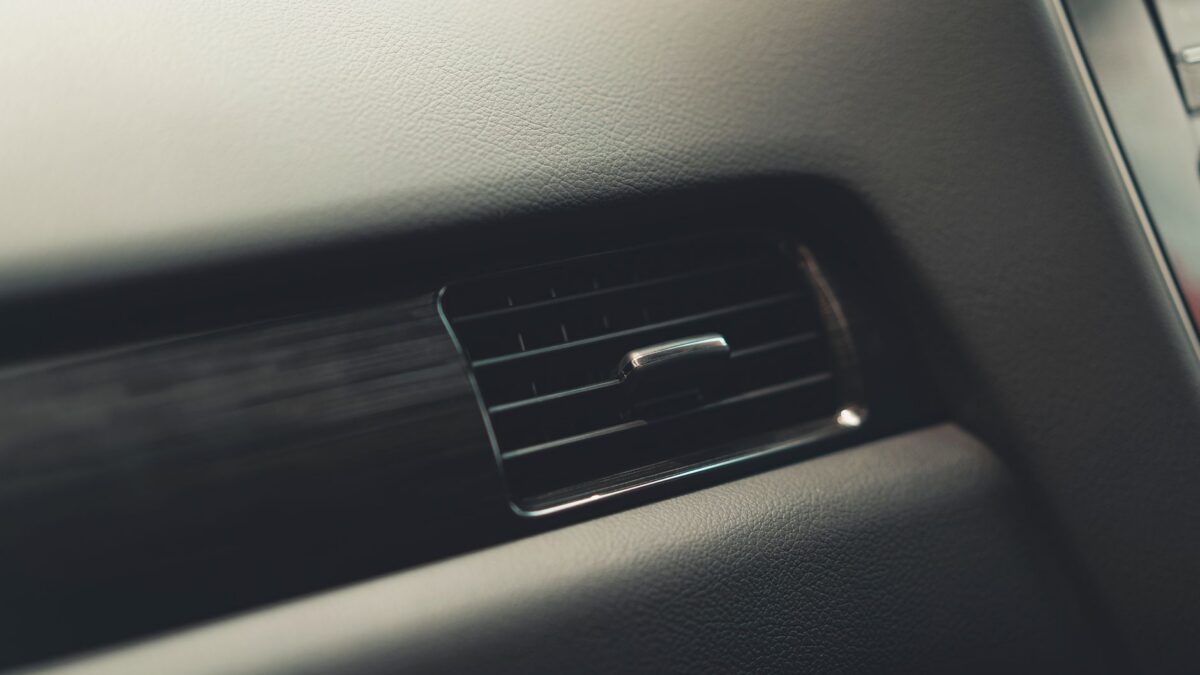
To clean car air vents, loosen dust with a soft detailing brush or foam swab, vacuum it out with a brush attachment, and wipe the louvers with a microfiber cloth barely dampened with water or a mild interior cleaner. The cabin air filter, usually behind the glove box, is a separate part that traps the dust before it reaches the vents; most owner’s manuals call for a new one about once a year or every 12,000 to 30,000 miles (about 19,000 to 48,000 km). Doing both together cuts down on dust, musty smells and fogged windows.
What do you need to clean car air vents?
A short kit covers almost every car:
- A soft detailing brush or a clean, dry paintbrush about 1 inch (25 mm) wide
- Foam swabs or cotton swabs for the gaps between louvers
- A vacuum with a narrow crevice tool and a soft brush attachment
- Two microfiber cloths
- Water with a drop of dish soap, or an interior cleaner labeled safe for plastic
- A replacement cabin air filter that matches your make, model and year
Skip household glass cleaners with ammonia, solvent wipes and anything abrasive on the vents. They can haze soft-touch plastic and strip the finish on chrome-look trim.
How do you clean the vents step by step?
- Turn the car and the fan off so dust is not blown back into your face.
- Open each vent fully and work the brush between the louvers, moving from the top slat down so dust falls toward the opening.
- Hold the vacuum nozzle just below the vent while you brush, so the loose dust is pulled away instead of settling on the dashboard.
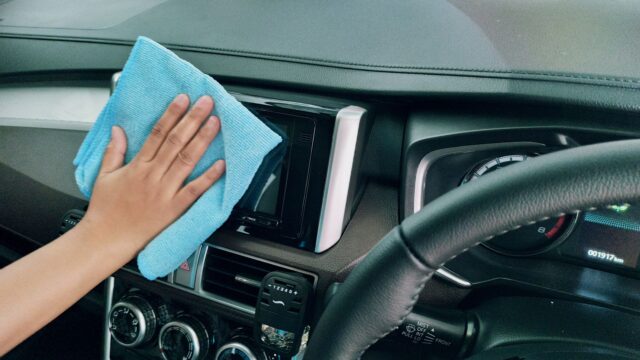
- Wrap a microfiber cloth around a swab or a thin plastic trim tool, dampen it lightly, and wipe each louver on both sides. The cloth should be damp, never wet: liquid that runs into the duct can reach electronics and feed mold.
- Dry the louvers with the second cloth, then move the vent tabs through their full range to check nothing is stuck.
- Repeat on the defroster slots at the base of the windshield, the floor vents and any rear vents in the center console.
If you are detailing the whole cabin, do the vents first, since the dust they release lands on lower surfaces. Our guide to the top-to-bottom order for cleaning a car interior lays out the full sequence, and the dashboard around the vents has its own needs, covered in how to clean a car dashboard and touchscreen.
Where is the cabin air filter and how do you replace it?
In most cars built in roughly the last two decades, the cabin air filter sits behind the glove box; in some models it is under the dashboard on the passenger side or under the cowl panel at the base of the windshield. The owner’s manual gives the exact spot and filter size. A typical glove box replacement goes like this:
- Empty the glove box and open it.
- Release the stops on the sides, or unclip the damper arm, so the box swings down past its normal limit.
- Unclip the rectangular filter cover behind it.
- Slide the old filter out slowly, keeping it level so collected debris stays in the pleats.
- Note the airflow arrow printed on the frame of the old filter.
- Vacuum any leaves or dust from the filter housing.
- Insert the new filter with its arrow pointing the same way, usually down or toward the rear of the car, then refit the cover and the glove box.
The job takes about 10 to 15 minutes with no tools in many cars. If the filter is under the cowl or needs trim panels removed, a shop can do it during an oil change.
How often should the cabin air filter be changed?
Follow the interval in your owner’s manual, which for most vehicles falls between 12,000 and 30,000 miles (about 19,000 to 48,000 km) or once a year. Change it sooner if you drive on dirt or gravel roads, in heavy city traffic, during wildfire smoke or high pollen seasons, or if someone in the car has allergies. Signs that the filter is due include weak airflow at full fan speed, a musty or dusty smell when the fan starts, and windows that take longer to clear. The same logic of matching the interval to conditions applies at home, as explained in our guide on how often to change your air filter.
Which type of cabin air filter should you buy?
Particle filters made of pleated paper or synthetic media catch dust and pollen and are the basic choice. Activated carbon filters add a layer that absorbs some odors and exhaust fumes, which helps in traffic. Look for a filter that lists your exact vehicle; a filter that is slightly too small lets air bypass the media, and one that is too large gets crushed and restricts airflow. Most cabin filters are not designed to be washed, and water can damage the media and encourage mold.
Why do the vents still smell after cleaning?
A sour, vinegar-like or musty smell that returns after the vents and filter are clean usually comes from moisture and microbial growth on the AC evaporator deep in the dashboard, not from the vents themselves. Running the fan without the AC for a few minutes before you park helps the evaporator dry. Our article on car AC smells and evaporator fixes covers the next steps. Do not spray household disinfectants or air fresheners into the ducts; use only products made for automotive HVAC systems and follow the label, ventilate the car while you work, and keep the products away from children and pets. For an accidental exposure in the US, call Poison Control at 1-800-222-1222.
What mistakes damage vents or the HVAC system?
- Spraying cleaner straight into the vents, where it can drip onto wiring and switches
- Forcing louvers past their stops, which snaps the small plastic tabs
- Using compressed air without a vacuum running, which pushes dust deeper into the ducts
- Installing the new filter with the airflow arrow pointing the wrong way
- Leaving the old filter’s debris in the housing, where it gets drawn into the blower
If the blower makes a rattling or ticking noise, a leaf or debris may be in the fan cage, and a mechanic should check it. Owners can look up open recalls for their vehicle by VIN at NHTSA.
Quick answers
Can you clean car vents with a toothbrush?
A soft, dry toothbrush works between louvers if the bristles are gentle. Avoid stiff bristles on piano-black or soft-touch plastic, which scratch easily.
Does a dirty cabin air filter affect the AC?
A clogged filter restricts airflow, so less cool or warm air reaches the cabin and the windows defog more slowly. It does not change the refrigerant charge.
Can you drive without a cabin air filter?
The car will run, but dust, pollen and leaves go straight into the blower and onto the evaporator. Fit a new filter as soon as possible.
Should the cabin filter be changed before winter?
A fresh filter before cold weather helps the defroster move full airflow onto the windshield, so late fall is a practical time if the change is close to due.