How to Clean Quartz Countertops: Daily Care and Safe Stain Removal
Clean quartz countertops with dish soap, warm water and a soft cloth. Stain fixes for coffee, grease, ink and hard water, plus cleaners to avoid.
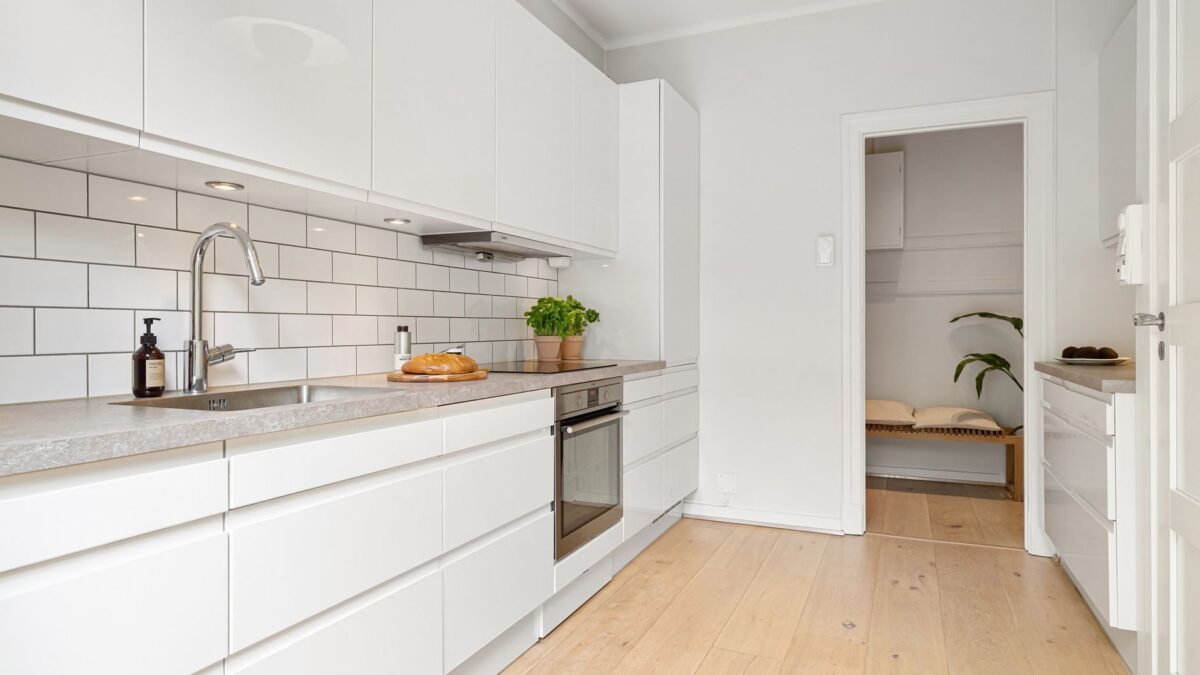
Quartz countertops are cleaned with a few drops of dish soap in warm water, a soft cloth or non-scratch sponge, a rinse and a dry towel. Most stains on quartz sit on the surface and come off with the same soapy water, a plastic scraper for dried food, or a little isopropyl (rubbing) alcohol for ink and dye. Quartz is damaged by heat, abrasive pads and harsh chemicals such as oven cleaner, drain cleaner and paint stripper, so those stay off the counter.
What is a quartz countertop made of, and why does it matter for cleaning?
A quartz countertop is engineered stone: ground quartz mixed with pigments and held together by a polymer resin. The quartz itself is very hard. The resin is the weaker part, and nearly every cleaning rule for this material exists to protect it.
Because the slab is non-porous, liquids do not soak in the way they do with marble or unsealed granite. Quartz never needs sealing, and a spill wiped up the same day rarely leaves a mark. The resin can still discolor, dull or soften when it meets strong alkalis, solvents or high heat, and that kind of damage usually cannot be cleaned away.
How do you clean quartz countertops every day?
Daily cleaning takes mild dish soap, warm water and a soft cloth.
- Clear crumbs with a dry cloth or soft brush so grit is not dragged across the surface.
- Add a few drops of dish soap to a bowl of warm water, or put a drop on a damp microfiber cloth.
- Wipe the whole counter, including the strip behind the faucet and the edge by the stove where grease collects.
- Rinse with a second cloth wrung out in clean water. Soap left behind dries into a dull film that shows fingerprints.
- Dry with a clean towel. On dark or polished quartz, drying is what prevents streaks and water spots.
A spray labeled for quartz or engineered stone works too. Follow the directions on the label and rinse if it tells you to. For general-purpose cleaners with milder ingredients, the U.S. Environmental Protection Agency lists products that meet its Safer Choice standard.
How do you remove dried food, grease and sticky residue?
Dried food comes off with a plastic scraper or an old plastic card held nearly flat against the counter. Wet the spot first with warm soapy water and give it a few minutes to soften. Metal blades can leave gray marks, and a knife tip can chip an edge.
Grease near the cooktop needs more soap, not more force. Lay a cloth soaked in hot soapy water over the film for a few minutes, wipe, then rinse. If a kitchen degreaser is needed, choose one that says it is safe for quartz or engineered stone, keep it on only as long as the label allows, and rinse well.
Sticker glue, tape residue and gum respond to a small amount of isopropyl alcohol on a cloth. Rub gently until the residue lifts, then wash the area with soapy water and rinse.
How do you get stains out of quartz?
Start with soapy water and a non-scratch sponge, then move to a stronger method only if the mark is still there. Work on one stain at a time and rinse between methods so that different products never meet on the counter.
- Coffee, tea, wine and juice: wash with soapy water. If a shadow remains, cover it with a paste of baking soda and water, leave it for several minutes, wipe with a soft cloth using light pressure and rinse.
- Turmeric, curry and food dye: wipe with isopropyl alcohol on a white cloth, then rinse. These pigments fade further over a few days of normal cleaning.
- Ink, permanent marker and nail polish: dab with isopropyl alcohol, rinse and repeat. Skip nail polish remover and other strong solvents on the stone.
- Metal marks from pots and pans: use a non-abrasive cream cleaner that the countertop maker approves, rubbed lightly with a soft cloth.
- Hard water spots and limescale around the faucet: check the manufacturer’s care guide first, since advice on acidic cleaners differs between brands. Where a diluted white vinegar solution or a quartz-safe limescale remover is allowed, keep the contact short, rinse thoroughly and dry.
Test anything new on a hidden spot, such as the underside of an overhang. Tarnish from a brass tray or a silver bowl left on a wet counter is easier to prevent than to remove, and the same goes for the metal itself, which has its own rules for cleaning silver and brass safely.
What should you never use on quartz?
Keep strong alkalis, solvents, abrasives and direct heat away from quartz.
- Oven cleaner, drain cleaner and dishwasher detergent concentrate can bleach or etch the resin.
- Paint stripper, acetone in quantity and products containing methylene chloride can soften it.
- Undiluted bleach left to sit can discolor the surface, especially on dark colors.
- Steel wool, scouring powder and green abrasive pads dull a polished finish.
- Hot pans, slow cookers and air fryers set straight on the counter can scorch the resin or crack the slab. Use a trivet.
If one of these products lands on the counter, flood the area with plenty of water right away and wipe it dry. Never mix cleaning products, and keep the room ventilated when using anything stronger than dish soap. Store cleaners out of reach of children and pets. In the United States, Poison Control answers at 1-800-222-1222.
How do you disinfect quartz countertops?
Wash the counter with soapy water first, then use a disinfecting spray or wipe that lists quartz or sealed hard surfaces on its label. Leave it wet for the contact time printed on the package, rinse with clean water and dry. Rinsing matters on food-preparation areas and it also keeps disinfectant residue from clouding the finish.
After raw meat, wash and disinfect the counter before anything else touches it. A counter that rodents have crossed needs more care than a routine wipe, and the steps for cleaning up safely after mice apply before food goes back on the surface.
When should you call a professional?
Call the fabricator or a stone repair service for chips, cracks, scorch marks and dull patches left by chemicals. A chip can often be filled with color-matched resin, and some dull areas can be re-polished, though results depend on the color and finish. Sanding or buffing the spot at home tends to leave a visible low patch. Keep the care guide and warranty that came with the countertop, because many warranties exclude heat and chemical damage.
Quick answers
Can you use vinegar on quartz countertops?
Manufacturers disagree. Some allow diluted white vinegar for limescale if it is rinsed off promptly, and others advise against acidic cleaners. Follow the care guide for your brand, and never combine vinegar with bleach or any other cleaner.
Can you use disinfecting wipes on quartz?
Occasional use is generally fine when the label lists sealed stone or hard non-porous surfaces. Rinse and dry afterward, since residue left on the counter can build into a hazy film.
Why does my quartz countertop look cloudy?
The usual causes are soap or cleaner residue and hard water minerals. Wash with a small amount of dish soap, rinse twice with clean water and buff dry with a microfiber towel. Haze that stays after that may be chemical or heat damage to the resin.
Do quartz countertops need to be sealed?
No. Engineered quartz is non-porous, and sealer has nothing to soak into. It dries on top as a streaky layer.