How to Wash a Puffer Jacket at Home: Settings and Drying Tips
Most puffer jackets can be machine washed on a gentle cycle in cool water and dried on low heat. Covers detergent, drying and restoring water repellency.

Most puffer jackets and padded winter coats can be washed at home in a front-loading washing machine on a gentle cycle with cool or lukewarm water and a small amount of mild detergent. The jacket then needs a full tumble dry on low heat with a few clean tennis balls or dryer balls, which usually takes two to three hours or more. The care label on the jacket overrules every general rule, so read it first.
Washing is needed less often than most people think. A few times per season is plenty for a coat worn daily, and spot cleaning covers the rest.
Can you wash a puffer jacket in the washing machine?
Yes, if the care label allows machine washing, which the majority of down and synthetic-fill jackets do. A label with a tub symbol and a temperature or a “machine wash gentle” line means water is fine. A tub crossed out, or the words “dry clean only”, means the fabric, lining or trim can be damaged by water, and the coat should go to a professional cleaner.
Fill type matters for drying more than for washing. Down (the soft under-feathers of ducks and geese) clumps when wet and takes a long time to dry. Synthetic insulation dries faster and tolerates heat slightly better, but the same gentle approach works for both. If the label is missing or unreadable, check the manufacturer’s support site for the model. The Federal Trade Commission, at ftc.gov, publishes the rule that requires clothing makers to attach care instructions in the United States.
How do you prepare a winter coat for the wash?
Empty every pocket, zip all zippers, close hook-and-loop tabs and snap the storm flap so nothing snags the fabric or the drum. Then work through this short list:
- Remove detachable fur or faux-fur trim, hoods and belts if the label says they should be washed separately or not at all.
- Check the seams and cuffs for loose threads or small tears. Escaping down or fill is easier to stop before a wash than after.
- Treat visible stains on collars, cuffs and the front with a dab of mild liquid detergent worked in with a soft cloth or an old toothbrush, then let it sit for a few minutes.
- Turn the jacket inside out if it has a shiny or printed outer shell, which reduces rubbing on the surface.
For a bulky coat, wash one item at a time, or add only a second soft, similar item so the load stays balanced.
Which washing machine settings and detergent are safe?
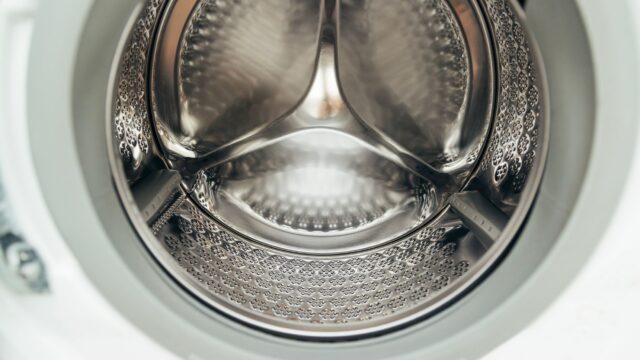
Use a front-loading machine, or a top-loader without a central agitator, because the agitator pulls and tears padded shells and tangles the fill. Choose the gentle or delicate cycle with cool to lukewarm water, roughly 86 to 104°F (30 to 40°C), unless the label gives a different limit. Pick an extra rinse option if the machine has one.
Detergent choice is where most problems start:
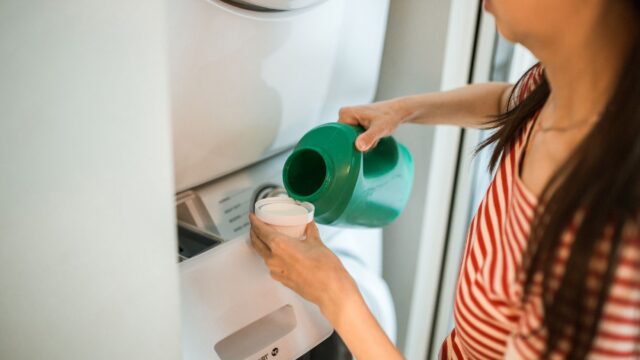
- Use a small amount of mild liquid detergent, or a cleaner made for down or technical outerwear. Excess soap leaves residue that flattens the fill and stays in the fabric.
- Skip fabric softener. It coats down feathers and synthetic fibers and reduces loft and water repellency.
- Skip chlorine bleach, which weakens the shell and lining and can yellow white down.
- Do not mix cleaning products in the drum. One detergent is all the load needs.
If the coat floats or balloons with trapped air, press it down gently once the drum fills so the fill is fully soaked. Do not wring or twist the wet coat when you take it out. Lift it with both hands and support its weight, because wet down is heavy and can tear internal baffles.
How do you dry a puffer jacket without clumps?
Tumble dry on low heat with two or three clean tennis balls or wool dryer balls, and stop to break up clumps by hand every 30 minutes or so. The balls beat the fill back into an even layer as the coat turns. High heat can melt synthetic shell fabric, damage seam tape and scorch nylon, so keep the dial on low or the delicate setting even if it takes longer.
The jacket must be completely dry inside. Damp down left in a closet grows mildew and develops a sour smell. Squeeze different areas, especially the cuffs, hem and the baffles near the zipper, and feel for cold or heavy spots. A full dry commonly takes more than one cycle. If the coat is still damp after the dryer, hang it in a warm, ventilated room for a day, shaking it gently now and then.
Air drying alone is a poor option for down, because the fill compacts into lumps that are hard to separate once dry. A dryer is the better tool, which is also why the washing machine and dryer routine for a down comforter is almost identical.
How do you restore water repellency after washing?
Many outer shells carry a durable water repellent (DWR) finish that makes rain bead up and roll off, and washing can wear it down over time. A short spell in the dryer on low heat often revives it, since gentle warmth helps reset the finish. Check the label before doing this, as it applies only to coats with that kind of treatment.
If water soaks into the fabric instead of beading, use a wash-in or spray-on re-waterproofing product made for outerwear. Follow the product directions, apply to a clean coat, and allow it to cure as stated. Spray in a ventilated area, and keep products away from children and pets. Waterproofing treatments are for shell fabrics and do not make a non-waterproof coat suited to heavy rain.
How should you store the coat afterward?
Store the clean, fully dry coat loosely on a wide hanger or in a large breathable bag, not compressed in a stuff sack for months. Long compression flattens the fill and reduces how much warmth it holds. A dry, cool, dark space protects it, and a bag of cedar or a sealed bin helps keep out insects. Wool-lined and down-filled coats can attract moths, so wash or freeze items first, as described in the guide to getting rid of clothes moths.
Quick answers
How often should you wash a puffer jacket?
Once or twice per season is enough for most people, more often only for visible dirt or odor. Frequent machine washing wears the shell finish and shortens the life of the fill.
Can you use a top-loading washer with an agitator?
It is better to avoid it. The agitator can twist and tear the coat. A laundromat front-loader with a large drum is a sensible choice when the home machine is small or has an agitator.
Can you dry clean a puffer jacket instead?
Only when the label allows it or says dry clean only. Some cleaners use solvents that strip natural oils from down, so ask whether they have experience with down garments before handing over the coat.
Why does the jacket smell musty after washing?
The fill is probably still damp inside. Run it through another low-heat dryer cycle with dryer balls until the coat is completely dry, including seams and cuffs.