How to Get Rid of Gnats in House Plants: Dry Soil, Sticky Traps and BTI
Tiny black flies around your plants are usually fungus gnats, and the fix starts with how you water. Here is how to break their life cycle without harsh chemicals.
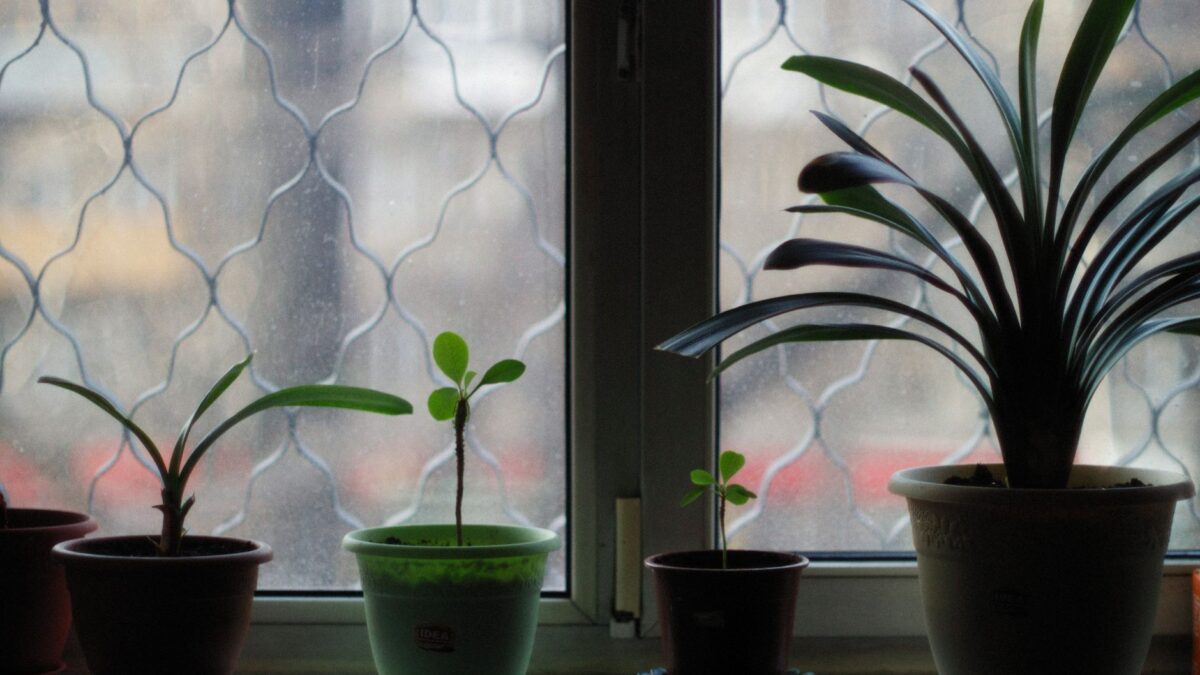
To get rid of gnats in house plants, let the top inch or two of potting soil dry out between waterings, catch adults on yellow sticky traps, and treat the larvae in the soil with BTI (Bacillus thuringiensis israelensis, sold as mosquito dunks or bits). Expect it to take a few weeks, because new gnats keep hatching until the larvae are gone. Most of the time, overwatering is the root cause.
What you need
- Yellow sticky traps (stake or card style)
- BTI mosquito dunks or bits, labeled for use in water
- A watering can or jug
- Fresh, bagged potting mix if you repot
- Pots with drainage holes and saucers you can empty
Fungus gnats or fruit flies?
| Fungus gnats | Fruit flies | |
|---|---|---|
| Look | Small, dark, delicate, with long legs; look like tiny mosquitoes | Tan or brown, rounder, often with red eyes |
| Behavior | Walk on soil or fly weakly around pots and windows | Hover around fruit bowls, trash and drains |
| Where they breed | Moist potting soil rich in organic matter | Fermenting fruit, sticky recycling, drain film |
| Main fix | Dry out soil, treat larvae | Remove the food source |
If the flies are in the kitchen rather than around plants, see our guide to getting rid of fruit flies.
Why they’re there
Adult fungus gnats lay eggs in damp potting soil. The larvae, tiny clear worms with black heads, live in the top layer and feed on fungi and organic matter, and sometimes on fine roots. Adults are mostly a nuisance. Larvae can harm seedlings and young plants in large numbers. Constantly wet soil, peat-heavy mixes, standing water in saucers and bags of potting mix left open are all common sources.
Step 1: Change how you water
- Check the soil with a finger before watering. Water only when the top inch or two feels dry (less for plants that like constant moisture; check the plant’s needs).
- Empty saucers 15 to 30 minutes after watering.
- Use pots with drainage holes. Decorative pots without holes trap water.
- Water from below for some plants: set the pot in a tray of water briefly so the surface stays drier.
- Close bags of potting mix tightly and store them in a dry spot.
Drying the surface alone often makes a big difference within a couple of weeks, because the larvae can’t survive in dry soil.
Step 2: Catch adults with sticky traps
Yellow sticky traps attract adult gnats. Stick them into the soil or lay them flat on the surface of the pot. They:
- Cut down the adults that would lay more eggs.
- Show you which plants are the worst source.
- Let you track progress; fewer gnats on fresh traps means it is working.
Replace traps when they fill up, and keep them away from curious pets and from hair and sleeves.
Step 3: Treat larvae with BTI
BTI is a naturally occurring bacterium sold to control mosquito larvae in standing water. It also affects fungus gnat larvae. It is generally regarded as low risk for people and pets when used as directed. Read the label: many mosquito-dunk labels list fungus gnats or houseplants, but not all, and the label tells you the rate.
- Soak a dunk or some bits in a container of water for the time the label recommends.
- Use that water to water your plants as usual.
- Repeat with each watering for a few weeks to catch larvae that hatch later.
- Store dunks dry and in their original package, out of reach of children and pets.
BTI doesn’t kill adults, so keep the sticky traps up at the same time.
Hydrogen peroxide drench: use with caution
Many gardening guides suggest watering the soil with diluted 3% hydrogen peroxide to kill larvae. It breaks down quickly into water and oxygen, but it is not a registered pesticide for this use, results vary, and too strong a mix can damage roots, especially in sensitive or young plants. If you try it:
- Use only plain 3% household peroxide, well diluted with water.
- Test it on one plant first and watch for wilting or yellowing.
- Never mix peroxide with vinegar in the same container, and don’t combine it with other products. See cleaning products you should never mix.
- Wear gloves and keep it out of eyes.
Drying the soil and using BTI is usually the simpler path.
Step 4: Repot badly infested plants
If a plant is heavily infested or the soil stays soggy, repot it in fresh, bagged potting mix. Gently remove the old soil from the roots, clean the pot with hot soapy water, and discard the old mix in an outdoor trash can rather than in another planter. A thin top layer of coarse sand or fine gravel can make the surface less attractive for egg-laying.
What to avoid
- Household insect sprays on soil or leaves; use only products labeled for houseplants, exactly per the label.
- Homemade pesticide mixes; they can harm plants and pets without solving the problem.
- Bringing home new gnats: check new plants and keep them apart from others for a couple of weeks.
For questions about a specific product, the National Pesticide Information Center can help. If someone swallows, inhales or gets a pest-control product in the eyes, call Poison Control at 1-800-222-1222 (US) or emergency services.
Bottom line
Fungus gnats are a watering problem first. Let the top layer of soil dry, empty saucers and use pots that drain. Catch adults with yellow sticky traps and treat larvae with BTI water for a few weeks. Repot badly infested plants in fresh mix. Treat hydrogen peroxide drenches as an optional, careful extra.
FAQ
Are fungus gnats harmful to people?
No. They don’t bite or carry disease. They’re a nuisance, and their larvae can harm young plants.
Does cinnamon on the soil work?
It’s a popular tip, but there’s little reliable evidence it controls gnats. Drying the soil and BTI are more dependable.
How long does it take to get rid of fungus gnats?
Usually a few weeks, since you need to break the life cycle. Keep traps and BTI going until fresh traps stay clear.
Can I put plants outside to get rid of gnats?
Moving plants doesn’t kill larvae in the soil, and sudden changes can stress plants. Fixing watering works better.