How to Clean Walls Without Removing Paint
Paint finish decides how hard you can clean. Here's how to wash walls, remove crayon, grease and scuffs, and avoid shiny spots or bare patches.
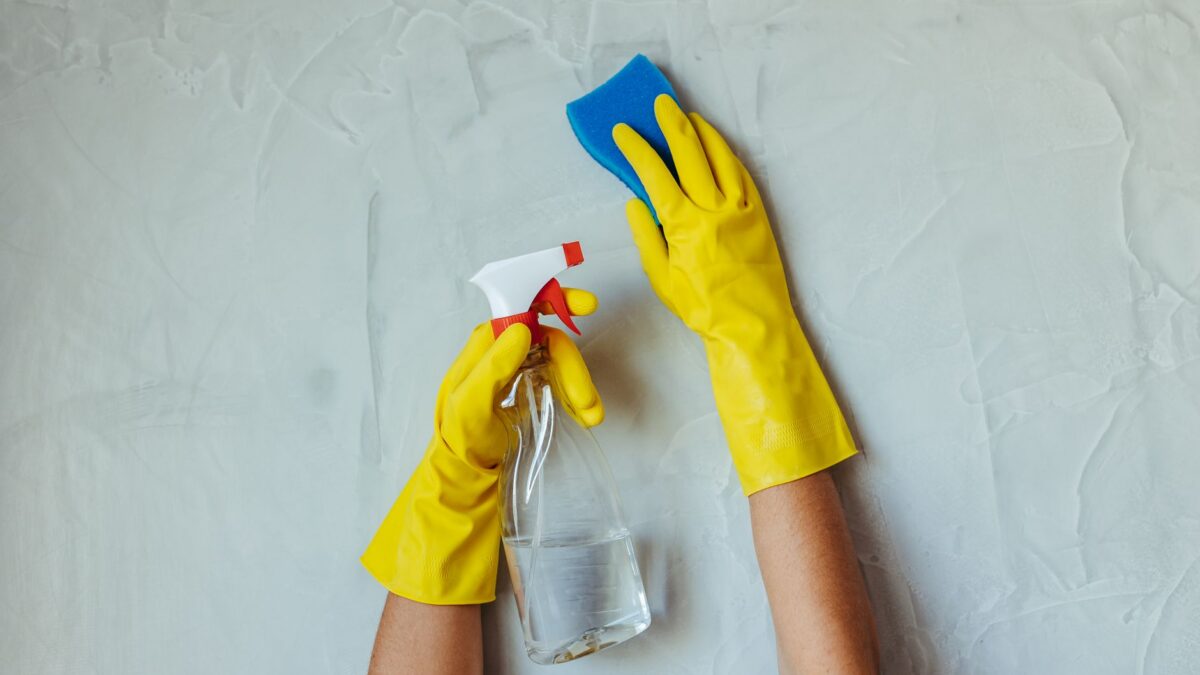
To clean painted walls, dust them first with a vacuum brush or dry microfiber mop, then wipe with a soft sponge or cloth dipped in warm water with a little mild dish soap, wrung out well, and rinse with plain water. The paint finish matters: semi-gloss and gloss handle scrubbing, while flat, matte and eggshell need light pressure and as little product as possible. Always test in a hidden spot first.
Know your paint finish
Generally, the higher the sheen, the easier the wall is to clean. Benjamin Moore’s wall-cleaning guide makes the same point: satin, semi-gloss and gloss are the most washable; flat, matte and eggshell need a gentler touch. Older or bargain flat paints can come off with even mild scrubbing.
| Finish | Where it’s common | Cleaning tolerance | Watch out for |
|---|---|---|---|
| Flat / matte | Ceilings, bedrooms, living rooms | Low: dust, blot, very light wiping | Shiny “burnished” patches, color lifting onto the cloth |
| Eggshell | Living areas, hallways | Moderate: gentle wiping with mild soap | Rubbing one spot too long |
| Satin | Kids’ rooms, hallways, kitchens | Good: soap and water, light scrubbing | Abrasive powders |
| Semi-gloss / gloss | Kitchens, bathrooms, trim, doors | High: most mild cleaners and a soft brush | Scouring pads that dull the shine |
| Wallpaper | Feature walls | Depends: “washable” vs “scrubbable” vs neither | Water on non-washable paper; seams lifting |
Not sure of the finish? Glossier walls reflect a light source more sharply. Check the paint can or ask whoever painted.
What you need
- Vacuum with brush attachment, or a dry microfiber mop or cloth
- Two buckets: warm water with a little dish soap, and plain water for rinsing
- Soft sponges and microfiber cloths
- Towels or a drop cloth for the floor
- Step stool
- Optional: melamine foam sponge for scuffs on durable finishes, used gently
Step-by-step: washing a wall
- Prepare the room. Move furniture away, lay a towel along the baseboard, and turn off power to any outlet covers you’ll wipe around. Don’t let water run into outlets or switches.
- Dust top to bottom. Dust and cobwebs fall downward, so start at the ceiling line and finish at the baseboard.
- Test. Wipe a small hidden area (behind a door or a piece of furniture) and let it dry. If the paint looks shinier, patchy or comes off on the cloth, switch to a gentler method.
- Wash in sections. Wring the sponge until it’s damp, not dripping. Wipe gently in overlapping strokes or small circles. Benjamin Moore recommends washing from the bottom up so drips don’t leave streaks on dirty paint below; either way, catch drips as you go.
- Rinse. Wipe each section with a sponge dampened in plain water.
- Dry. Pat with a towel, especially on lower-sheen paints, and let the wall dry fully before putting furniture back.
Removing common marks
Crayon
Try a dry cloth or a clean pencil eraser first. On washable finishes, a dab of dish soap on a damp cloth usually works. Gently warming wax crayon with a hair dryer on low and wiping can help on durable paint. Melamine sponges remove crayon quickly but can dull flat and matte paint; test first.
Grease (kitchens)
Use a stronger solution of dish soap in warm water, let it sit for a minute, wipe and rinse. Dish soap is made to break down grease and is gentler on paint than degreasers.
Fingerprints and light switch grime
Wipe with soapy water and rinse. Switch plates on satin or semi-gloss paint can handle a little more pressure.
Scuffs
Rub with a clean tennis ball or eraser. On glossier paints, a melamine sponge used lightly works; on flat paint, it can leave a shiny patch. For more on melamine sponges, see our baseboard cleaning guide.
Marker and ink
Some washable markers come off with soap and water. Permanent marker may need a small amount of rubbing alcohol on a cloth, used only on durable finishes after a test, with good ventilation and away from flames. Our guide to removing ink stains covers walls in more detail.
Mildew spots
Small spots on bathroom walls usually come off with soapy water. Fix the moisture source and improve ventilation. If you use a mildew remover or diluted bleach, follow the label, ventilate well, wear gloves, and never mix it with ammonia, vinegar or other cleaners. For larger areas, see our guide to mold on walls.
What removes paint (avoid these)
- Abrasive powders and scouring pads
- Heavy scrubbing in one spot, especially on flat and matte paint
- Strong degreasers and solvents unless tested and labeled safe for painted surfaces
- Soaking wet sponges, which can soften paint and seep behind it
- Washing fresh paint before it has fully cured; check the paint can for cure times
If a cleaned spot looks shinier or duller than the rest of the wall, the paint surface has been changed. Touching up with leftover paint is often the only fix.
For any commercial cleaner, follow the label, ventilate, keep it in its original container, and store it out of reach of children and pets. If someone swallows, inhales or gets a cleaning product in the eyes, call Poison Control at 1-800-222-1222 (US) or emergency services.
How often to clean walls
- Dust: every few months, or when you notice cobwebs.
- Spot-clean: as marks appear, especially around light switches and doorways.
- Full wash: kitchens and bathrooms once or twice a year; other rooms less often, or before repainting.
Bottom line
Dust first, then use warm water with a little dish soap, a well-wrung sponge and a rinse. Match your pressure to the paint finish, test in a hidden spot, and save melamine sponges and solvents for durable finishes and small marks.
FAQ
Can I use vinegar to clean painted walls?
It isn’t needed for routine cleaning; dish soap and water work. If you try diluted vinegar, test first, avoid flat paint, and never combine it with bleach.
How do I clean flat paint without leaving marks?
Dust it, then blot marks gently with a barely damp cloth and a tiny amount of soap. Don’t scrub. Some marks on flat paint can only be fixed by touching up.
Do I need to wash walls before painting?
Yes, especially in kitchens and bathrooms. Grease and grime keep new paint from bonding. Wash, rinse and let the wall dry before priming or painting.
Can I clean wallpaper with water?
Only if it’s labeled washable or scrubbable. Test a hidden area, use a barely damp sponge, and don’t let water reach seams.