How to Clean a Toilet Tank: Mineral Buildup, Mold and the Flapper
The tank is the part of the toilet nobody cleans, until the flush gets weak or the water smells. A once- or twice-a-year scrub keeps the parts working, and skipping bleach tablets helps them last.
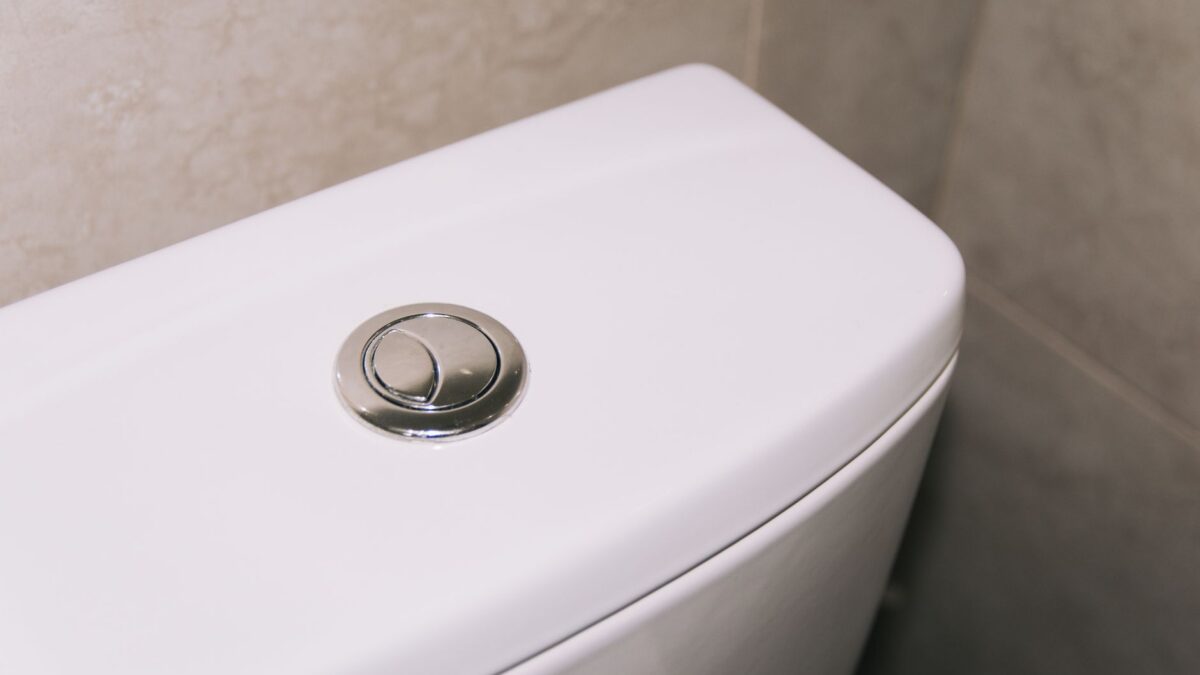
To clean a toilet tank, turn off the water supply valve, flush to empty the tank, and scrub the walls and bottom with a brush and dish soap, or with plain white vinegar for mineral crust, then turn the water back on and flush a few times to rinse. Check the rubber flapper while the tank is empty. Be careful with chemicals: several toilet and tank-part makers warn that chlorine or bleach in-tank tablets can damage the flapper and seals and may void the warranty, and bleach must never be mixed with vinegar or acidic cleaners.
Why clean the tank at all
The water in the tank is clean supply water, but it sits there. Over time you can get:
- Mineral buildup from hard water, which coats parts and can make the flapper seal poorly.
- Rust-colored sediment from iron in the water or old metal parts.
- Dark slime or mold around the waterline and on the underside of the lid, especially in rarely used toilets.
Grime in the tank also flows into the bowl with every flush. A tank clean once or twice a year is plenty for most homes; check it more often if you have hard water or notice a smell.
What you need
- Rubber gloves
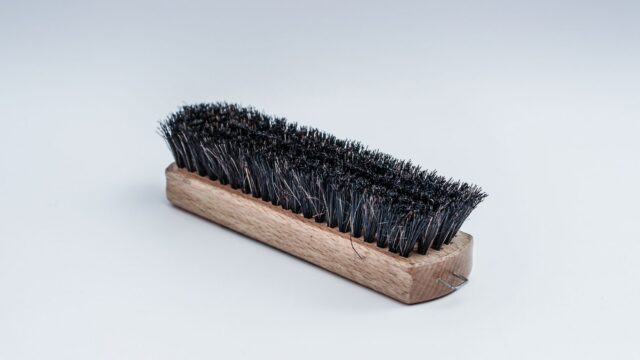
- A long-handled scrub brush or a non-scratch sponge (not the toilet bowl brush)
- Dish soap
- Distilled white vinegar for mineral buildup
- An old toothbrush for corners and around parts
- A towel to rest the lid on, and a sponge for leftover water
Step by step
- Remove the lid and set it on a towel. Tank lids are heavy porcelain and crack if dropped.
- Look first. Note how the chain, fill valve and flapper are arranged, so you can check later that nothing has shifted. A quick phone photo helps.
- Shut off the water at the valve behind the toilet (turn clockwise) and flush. Hold the handle down to drain as much as possible. Sponge out the last bit if you want to scrub the bottom.
- For general grime and slime: squirt dish soap onto a wet brush or sponge and scrub the walls, the bottom and the underside of the lid. Use a toothbrush around the base of the fill valve and overflow tube.
- For mineral crust: close the valve, then with the tank still full, pour in white vinegar to raise the level just above the buildup, or drain the tank and pour vinegar directly onto the crust. Let it work for an hour or so, then scrub. Keep the soak reasonably short and rinse well; acids can wear rubber parts with long exposure.
- Clean the lid top and bottom, and wipe the flush handle and lever arm.
- Turn the water back on (counterclockwise), let the tank refill, and flush two or three times to rinse cleaner out of the tank and bowl.
- Check the fill level and the chain. The water should stop below the top of the overflow tube, usually near a line marked inside the tank. The flapper chain should have a little slack.
Flapper care and when to replace it
The flapper is the rubber seal at the bottom of the tank that lifts when you flush. It is the part most likely to fail.
- Signs it is worn: the toilet refills on its own every so often (“phantom flushes”), you hear water trickling, or the rubber feels soft, warped, cracked or leaves black residue on your fingers.
- Dye test: put a few drops of food coloring in the tank and wait about 15 minutes without flushing. Color in the bowl means water is leaking past the flapper. Flush afterward so the dye does not stain.
- Cleaning it: wipe the flapper and the valve seat (the ring it sits on) with a soft cloth to remove mineral grit, which can stop it sealing.
- Replacing it: flappers are inexpensive and usually swap out without tools. Take the old one to the store or check the toilet’s model number to get a match, since size and style vary.
Why to skip bleach drop-in tablets
In-tank cleaning tablets sit in the tank and slowly release chemicals with every flush. Many toilet and parts manufacturers warn against tablets containing chlorine or bleach. Their manuals and warranty notes say these products can corrode tank fittings and damage rubber parts, which can lead to leaks, and some say such damage is not covered by the warranty. One flapper maker’s packaging states that bleach or chlorine drop-ins can damage tank components, may cause flooding, and void its warranty.
If you want to use any in-tank product, check your toilet’s manual first and look for one the maker says is compatible. Bowl cleaners applied in the bowl and flushed away are the safer route for most people. See how to clean a toilet for that routine.
Mold or slime in the tank
Dark slime at the waterline or on parts usually scrubs off with dish soap and a brush. It returns faster in toilets that are rarely flushed, so flush guest toilets regularly. Pink or orange film is usually bacteria rather than mold; see pink “mold” in the shower. If you choose to use a disinfectant in the tank, check that both the product label and your toilet manual allow it, keep the contact short, and flush it out thoroughly afterward. Never add bleach to a tank or bowl that has had vinegar or an acidic cleaner in it without flushing several times first.
What to use and what to avoid
| Use | Avoid |
|---|---|
| Dish soap and a dedicated brush | Bleach or chlorine drop-in tablets, unless your toilet maker approves them |
| White vinegar for mineral crust, short soak, rinse well | Leaving any chemical in the tank for days |
| Soft cloth on the flapper and valve seat | Steel wool or wire brushes on parts |
| Flushing several times between products | Mixing bleach with vinegar, ammonia or acidic toilet cleaners |
Safety basics
CDC guidance is to never mix bleach with other cleaners or disinfectants (CDC bleach guidance). Follow the label on any product you use, ventilate the bathroom, and wear gloves. Keep cleaners in their original containers away from children and pets, and keep the tank lid on afterward. If someone swallows, inhales or gets a cleaning product in the eyes, call Poison Control at 1-800-222-1222 (US) or emergency services.
Bottom line
Once or twice a year, shut off the water, flush, scrub the tank with dish soap or a short vinegar soak, rinse, and check the flapper. Skip bleach drop-ins unless your toilet maker approves them, and never combine bleach with vinegar or acid cleaners.
FAQ
Can I pour vinegar into my toilet tank?
For a short soak to loosen mineral buildup, many people do, followed by rinsing. Check your toilet manual and do not leave it for long periods.
Why is my toilet tank water dirty?
Usually minerals or iron in the supply water, or degrading rubber parts. Clean the tank and check the flapper.
How long does a toilet flapper last?
It varies with water quality and chemicals used. Replace it when it no longer seals, or the rubber is warped or crumbly.
Is toilet tank water safe to touch?
It comes from your supply line, but wear gloves while cleaning and wash your hands afterward.