Robot Vacuum vs Cordless Vacuum: Which One Suits Your Home?
Robots win on effortless daily upkeep; cordless sticks win on stairs, upholstery and deep carpet. Here's how to decide which fits your home.
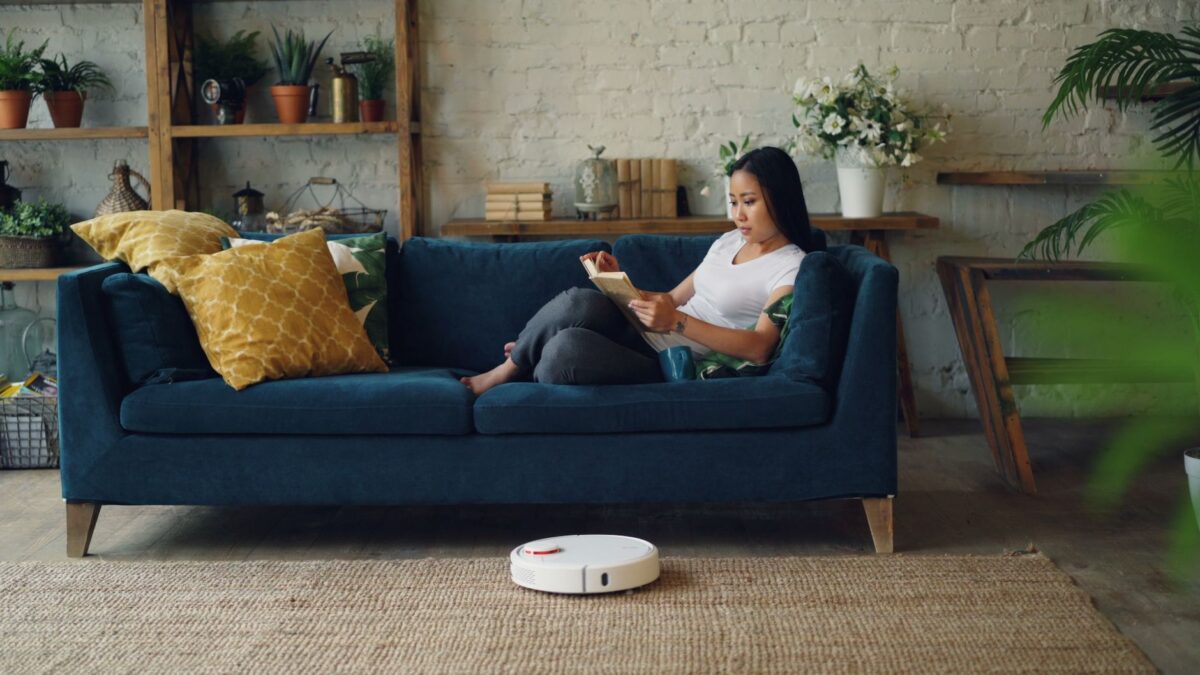
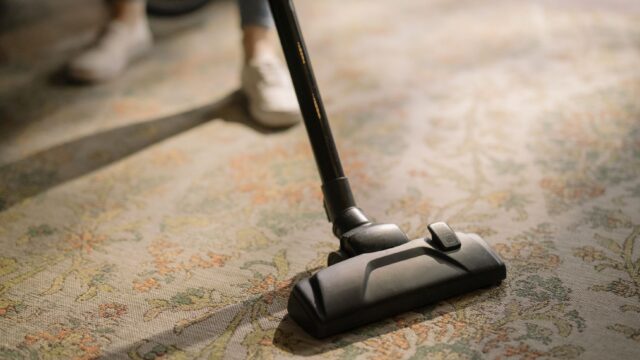
A robot vacuum suits people who want floors kept tidy every day without doing it themselves, especially in open, mostly single-level homes with hard floors or low carpet. A cordless stick vacuum suits people who need to clean stairs, furniture, cars and deep carpet, and who are happy to spend ten minutes pushing it around. Many households end up with both: the robot handles daily maintenance, the stick handles everything the robot can’t reach.
Before you buy either, check what you already own. A corded upright or canister that still works can do the deep cleaning, and a cheaper robot can take over the daily crumbs and pet hair.
How each one actually cleans
Robot vacuum
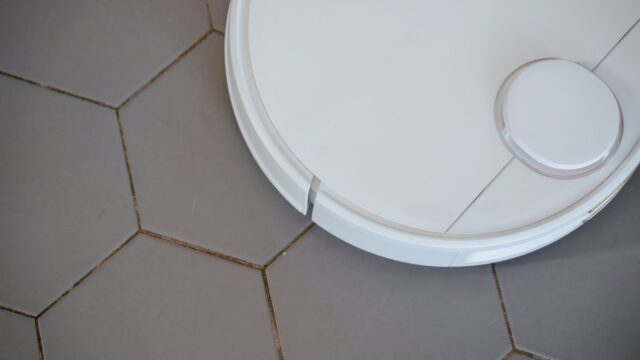
A robot runs on a schedule, navigates by sensors (lidar, cameras or bump sensors), and returns to its dock to charge. Its strength is frequency: light dirt picked up every day never builds up. Its weaknesses are reach and power. It cannot climb stairs, it cleans corners less thoroughly than a crevice tool, and on thick carpet it has far less suction and agitation than a full-size machine. It also needs a fairly clear floor — cables, socks and toys stop it.
Cordless stick vacuum
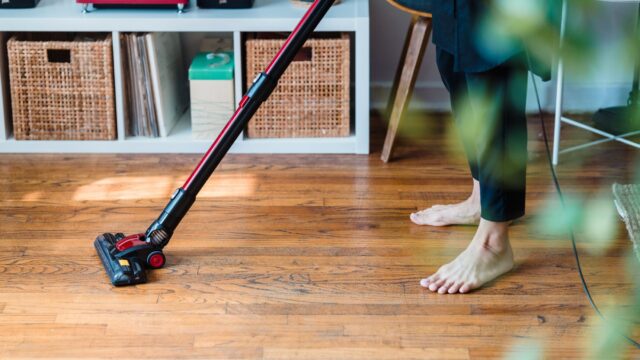
A stick vacuum is a full vacuum you carry. Most convert into a handheld, so the same machine does floors, stairs, upholstery, shelves and the car. Its strength is versatility and spot power. Its limits are battery runtime (makers usually quote runtime in the lowest power mode, and boost modes drain the battery much faster), a small dust bin, and the fact that you still have to do the work.
Side-by-side: what to compare
| Factor | Robot vacuum | Cordless stick vacuum |
|---|---|---|
| Your effort | Very low once set up; you clear the floor and empty the bin or dock bag | You do all the cleaning |
| Stairs | No | Yes, especially in handheld mode |
| Thick carpet | Light maintenance only | Better, with a motorized brush head |
| Hard floors | Very good for daily dust and crumbs | Very good, plus edges and corners |
| Pet hair | Good for daily shedding; brushes need regular de-tangling | Good; can also do pet beds and sofas |
| Furniture, cars, shelves | No | Yes, with attachments |
| Key specs on the box | Navigation type, suction (often in Pa), bin size, runtime, dock features | Runtime per mode, suction or airflow figures, bin size, filtration, weight |
| Ongoing costs | Brushes, filters, dock bags, mop pads, eventually a battery | Filters, eventually a battery |
| Price spread (as of October 2026) | Roughly $150–$300 for basic and many lidar models; premium self-emptying, self-washing models can pass $1,000 | From budget models to several hundred dollars for premium ones |
Suction figures are useful for comparing models from the same maker, but brands measure in different units and conditions, so treat cross-brand comparisons with caution.
Who should pick a robot vacuum
- Busy households that would rather schedule cleaning than do it.
- Pet owners with daily shedding on mostly hard floors or short carpet.
- Single-level homes or apartments with few thresholds and little floor clutter.
- People with limited mobility for whom pushing a vacuum is hard — though emptying a small bin can still be fiddly, which is where a self-emptying dock helps.
If you go this way, our guide on how to choose a robot vacuum explains navigation types, docks and mopping in more detail.
Who should pick a cordless stick vacuum
- Homes with stairs or several floors.
- Thick or high-pile carpet, where a robot only skims the surface.
- Anyone who also wants to clean the car, sofa or curtains with the same machine.
- Cluttered or small, busy spaces where a robot would keep getting stuck.
For a broader comparison with uprights and canisters, see how to choose a vacuum cleaner.
Combos and hybrids
A few options sit between the two:
- Robot plus a cheap handheld. A low-cost route: the robot does floors daily, a small handheld does stairs and spills.
- Robot plus your existing corded vacuum. Keep the old machine for monthly deep cleans of carpet and edges.
- Robot-mop combos. Useful on sealed hard floors for light daily mopping, but not a replacement for proper mopping of sticky spills.
- Stick vacuums with a shared dock. Some makers sell docks that empty a stick vacuum’s bin. Check whether the dock uses paid bags.
Maintenance compared
Both types need regular care to keep working. A robot needs its brushes cleared of hair, sensors wiped, wheels checked and its bin or dock bag emptied — see how to clean a robot vacuum. A stick vacuum needs its bin emptied after each use, the brush roll cleared, and its filter washed or replaced on the maker’s schedule; our guide to cleaning a cordless vacuum filter covers the drying step people often skip.
Both run on lithium-ion batteries that lose capacity over the years. When a battery or a whole machine reaches the end of its life, don’t put it in household trash: the EPA explains how to handle used lithium-ion batteries safely.
Questions to ask yourself before buying
- How much of the home is stairs or thick carpet? If a lot, a stick vacuum (or a full-size vacuum) is the core tool.
- How clear are the floors on a normal day? Robots need a quick pick-up first.
- Do you need it to work while you’re out? That’s the robot’s main advantage.
- What will the consumables cost per year? Check the price and availability of replacement brushes, filters, bags and batteries before buying.
- Is the app required? Some robots work without an account; others need one for mapping and scheduling.
Bottom line
Choose a robot vacuum if you want daily upkeep without effort and your home is mostly one level with manageable clutter. Choose a cordless stick if you need stairs, upholstery and deep carpet covered, or you’d rather own one versatile tool. If budget allows, a modest robot plus the vacuum you already have is often the most practical setup.
FAQ
Can a robot vacuum replace a regular vacuum completely?
In a small, single-level home with hard floors, it can come close. In most homes you still need a handheld, stick or full-size vacuum for stairs, corners, upholstery and deep carpet cleaning.
Are cordless stick vacuums good enough for carpet?
Many handle low and medium pile well with a motorized brush head, but runtime drops quickly in boost mode. For large, thick-carpeted homes, compare runtime in the power mode you’ll actually use.
Which is better for pet hair?
A robot is good at keeping daily shedding under control, while a stick vacuum can also clean pet beds, sofas and stairs. Many pet owners use both. Either way, expect to clear hair from the brush roll regularly.
Which costs more to run?
Robots usually have more consumables — brushes, filters, dock bags and mop pads. Stick vacuums mostly need filters and, eventually, a battery. Check replacement part prices before you buy.