How to Clean a Dryer Vent: Lint Screen, Duct and When to Call a Pro
Failure to clean is the leading factor in home dryer fires. Here's how to clean the lint screen and vent duct, and which jobs to leave to a pro.
Clean the lint screen before or after every load, and clean the vent duct — the pipe that runs from the dryer to the outside — at least once a year, or sooner if clothes start taking longer to dry. A short, accessible duct can be cleaned with an inexpensive brush kit and a vacuum; long runs, roof vents and gas dryers are jobs for a professional. Lint buildup matters because “failure to clean” is the leading factor in home dryer fires.
Why it matters
A U.S. Fire Administration report covering 2008–2010 estimated about 2,900 residential clothes dryer fires a year, causing an estimated 5 deaths, 100 injuries and $35 million in property loss annually. Failure to clean was the leading factor contributing to ignition, at 34%. Lint is highly flammable, and a clogged duct also traps heat and makes the dryer work harder, which wastes energy.
Lint screen vs vent duct
| Part | Where it is | How often | How |
|---|---|---|---|
| Lint screen (filter) | Inside the door or on top of the dryer | Every load | Pull lint off by hand; occasionally wash per the manual |
| Lint screen housing | The slot the screen slides into | Every few months | Vacuum with a narrow crevice tool or lint brush |
| Transition duct | Short connector behind the dryer | At least yearly | Disconnect, clean or replace |
| Vent duct (wall run) | Inside the wall or ceiling to the outside | At least yearly | Brush kit or professional |
| Exterior vent hood | Outside wall or roof | Check a few times a year | Clear lint, nests, snow; check the flap moves |
Signs your vent needs cleaning now
- Clothes are still damp after a normal cycle, or drying takes longer than it used to.
- The dryer or laundry room feels unusually hot.
- A burning or hot smell during drying.
- Little or no air coming out of the outside vent while the dryer runs.
- Lint collecting around the outside vent or behind the dryer.
- The outside flap stays shut while the dryer is running.
The CPSC notes that damp clothes or longer drying times can be a sign that the lint screen or exhaust duct is blocked. Its overheated dryer safety alert also recommends checking the outside vent while the dryer runs.
What you need
- A dryer vent brush kit with flexible rods (sized for your duct, usually 4 inches)
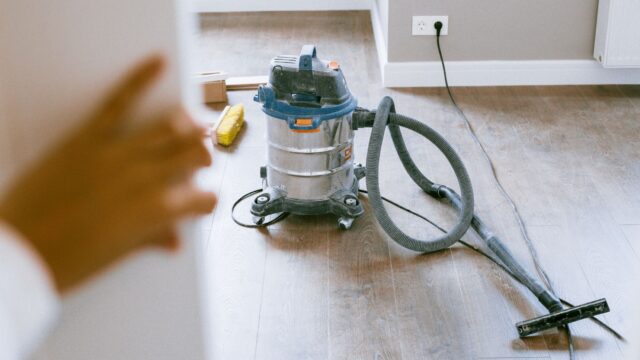
- A vacuum with a hose and crevice tool
- A screwdriver or nut driver for the duct clamps
- Foil tape or new clamps (not screws) if you reconnect sections
- Gloves, a dust mask and safety glasses
- A drop cloth
How to clean a dryer vent, step by step
- Unplug the dryer. If it’s a gas dryer, stop here unless you are confident handling the gas line; a damaged gas connection is dangerous. Many people have gas dryers serviced by a professional for this reason.
- Pull the dryer out carefully, without kinking or stretching the duct.
- Disconnect the transition duct from the dryer and the wall by loosening the clamps.
- Vacuum the dryer’s exhaust outlet and the wall opening.
- Brush the duct. Feed the brush into the wall duct, adding rods as you go, and turn it in the direction the kit instructs (usually clockwise, so rods don’t unscrew). Pull lint back toward you and vacuum it up. Work from the outside end too if you can reach it safely from the ground.
- Clean the exterior hood. Remove lint, nests or debris, and make sure the flap or louvers open freely. Don’t add a screen to the outside vent; it can catch lint.
- Clean the transition duct, or replace it if it’s plastic or thin foil accordion-style. The CPSC recommends replacing those with rigid or corrugated semi-rigid metal duct.
- Reconnect with clamps or foil tape. Avoid sheet-metal screws inside the duct, which can snag lint.
- Clean the lint screen housing with the crevice tool.
- Push the dryer back without crushing the duct, plug it in and run it on air-only for a few minutes. Check that strong airflow comes out outside.
When to call a professional
- Roof vents — working on a roof is a fall risk.
- Long or complicated runs with multiple bends.
- Gas dryers, unless you are comfortable disconnecting and reconnecting the gas line and checking for leaks.
- A brush stuck in the duct or a duct that’s crushed or disconnected inside a wall.
- Bird or rodent nests deep in the duct.
- Apartments or condos where vents are shared or managed by the building.
Ask the professional to confirm airflow after cleaning and to note any damaged sections.
Lint screen care
Remove lint by hand every load. Dryer sheets and fabric softener can leave a thin, invisible film on the mesh; some dryer manuals suggest occasionally washing the screen with warm water and a little dish soap, rinsing and letting it dry completely before refitting. To check, run water over the screen: if water pools instead of passing through, it needs washing. Never run the dryer without the screen in place.
Other habits that cut fire risk
- Don’t leave a dryer running when you’re out or asleep.
- Keep the area around the dryer clear of boxes, laundry and cleaning products.
- Follow care labels; don’t tumble-dry items the label says not to.
- Be careful with fabrics stained with oils, gasoline or other flammable substances; follow the label and fire-safety guidance before drying them.
- Have a working smoke alarm near the laundry area.
A clean vent also helps the rest of your laundry routine — see how to clean a washing machine, and if you’re shopping for a new pair, front-load vs top-load washers.
Bottom line
Empty the lint screen every load, clean the full vent duct at least once a year, and replace plastic or foil ducting with metal. DIY is fine for short, reachable runs on electric dryers; leave roof vents, long runs and gas dryers to a professional.
FAQ
How often should a dryer vent be cleaned?
At least once a year is the common fire-safety recommendation, and more often for large households, pets or if drying times increase.
Can I use a leaf blower to clean a dryer vent?
It can push lint out of a short, straight duct, but it can also blow lint into gaps or disconnect hidden joints. A brush kit and vacuum give more control.
Is a foil accordion duct okay?
The CPSC recommends replacing plastic or foil accordion-type ducting with rigid or corrugated semi-rigid metal duct, which sags less and traps less lint.
Why does my dryer take two cycles to dry clothes?
A blocked lint screen or vent is the most common cause. Clean both, then check the outside flap opens while the dryer runs. If the problem continues, have the dryer serviced.