Front-Load vs Top-Load Washer: Cleaning, Efficiency and Upkeep Compared
Front-loaders save the most water and energy; top-loaders are kinder to your back. A side-by-side look at the trade-offs, including mold upkeep.
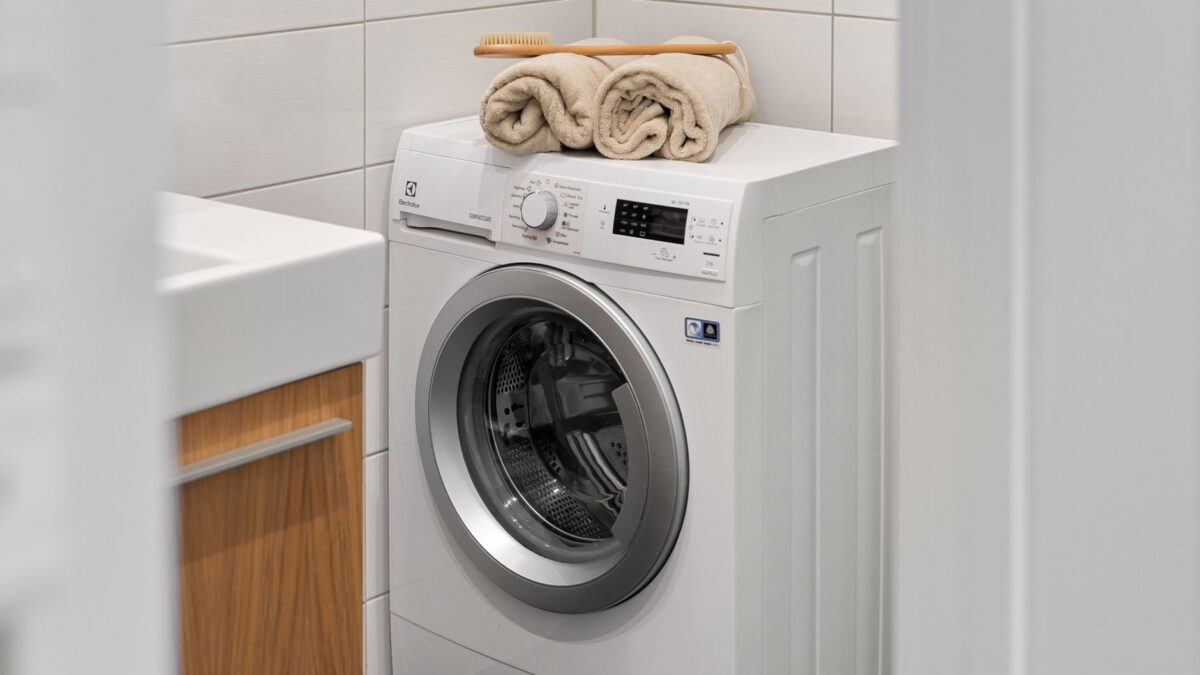
Front-load washers generally use the least water and energy, are gentler on clothes and spin more water out (so drying is faster), but need a little routine care to keep the door gasket free of mold and smells. Top-load washers are easier on your back, let you add items mid-cycle more easily and are less prone to gasket odors; impeller (no-agitator) top-loaders are more efficient than traditional agitator models. If you want the lowest running costs, choose an ENERGY STAR front-loader; if comfort and simplicity matter most, an efficient top-loader is a reasonable compromise.
The three designs
- Front-load: a horizontal drum tumbles clothes through a small amount of water.
- Top-load agitator: a central post twists clothes through a full tub of water. The traditional design.
- Top-load impeller (HE top-load): a low cone or disc at the bottom moves clothes using less water than an agitator.
Water and energy
According to ENERGY STAR:
- Certified washers use about 20% less energy and about 30% less water than regular washers.
- A full-sized certified washer uses about 14 gallons per load, compared with 20 gallons for a standard machine.
- Certified front-loaders use about 50% less energy and water than top-load agitator washers.
- Impeller top-loaders are more efficient than agitator models, but front-loaders are still about 25% more energy and water efficient than them.
- Water heating accounts for about 90% of a washer’s energy use, so washing in cold water when possible makes the biggest difference whatever you buy.
Higher spin speeds — typical of front-loaders — remove more water, which shortens dryer time and saves energy there too.
Side-by-side comparison
| Factor | Front-load | Top-load impeller | Top-load agitator |
|---|---|---|---|
| Water and energy use | Lowest | Middle | Highest |
| Gentleness on fabrics | Gentle tumbling | Generally gentle | More wear and tangling |
| Spin and drying time | Typically highest spin, shortest drying | Varies | Usually lower spin |
| Bulky items (comforters) | Good; no agitator | Good; no agitator | Agitator takes up space |
| Loading height | Low; pedestal or stacking can help | Bending into a deep tub | Usually easier reach |
| Adding items mid-cycle | Some models have an add-item door | Usually easy after pausing | Usually easy |
| Odor/mold risk | Higher at the door gasket if not dried | Lower; tub can still get biofilm | Lower |
| Stacking with dryer | Often possible | No | No |
| Cycle length | Often longer | Varies | Often shorter |
Cleaning performance
All three types can clean well when loaded properly with the right detergent dose. Front-loaders and impeller machines rely on tumbling or rubbing clothes against each other rather than an agitator, so don’t overload them, and use HE (high-efficiency) detergent, which is low-sudsing. Too much detergent leaves residue and can make odors worse — see how much laundry detergent to use.
Mold and gasket maintenance
The rubber door seal on a front-loader holds water and lint in its folds, which can lead to mildew smells. A few minutes of upkeep prevents most problems:
- Leave the door ajar for an hour or two after each wash to let the drum and gasket dry, as ENERGY STAR recommends — and keep children away from open machines.
- Wipe the gasket and the inside of the door with a dry cloth after the last load of the day.
- Remove wet laundry promptly.
- Clean the gasket and dispenser drawer regularly and run the machine’s cleaning cycle as the manual directs.
- Clean the drain pump filter if your model has one, following the manual.
Use one cleaning product at a time and follow its label. Never mix bleach with vinegar or other acids — that releases toxic chlorine gas. Run a rinse cycle between products, and keep the room ventilated. Our step-by-step guide on cleaning a front-load washer gasket covers the details.
Top-loaders aren’t maintenance-free either: residue can build up under the rim and in the tub. Run the cleaning cycle on the maker’s schedule and leave the lid open after washing.
Capacity
Washers are rated in cubic feet. ENERGY STAR notes that certified models must have a capacity greater than 1.6 cubic feet and come in various widths and drum sizes, including stackable, under-counter and combination washer-dryer units. Capacity figures aren’t always measured the same way across brands, so compare models in person with a bulky item in mind — such as your largest comforter — and check the manual’s limits before washing heavy items like weighted blankets.
Ergonomics and space
- Back and knee comfort: front-loaders need bending to load; pedestals raise them. Deep top-loaders require reaching down into the tub, which can be hard for shorter users.
- Small spaces: stackable front-loaders save floor space; compact and combo units suit apartments.
- Vibration: fast spins need a level, solid floor. Follow installation instructions, including removing shipping bolts.
Price
As of October 2026, both types are available across a broad price spread, from basic models to premium machines with steam, auto-dosing and app control. Front-loaders often cost more upfront than basic top-loaders, but lower water and energy use can offset some of that over the machine’s life. Check for local utility rebates on ENERGY STAR models before you buy.
Bottom line
Choose a front-loader for the lowest water and energy use, faster drying and gentler washing — and commit to leaving the door ajar and wiping the gasket. Choose an impeller top-loader if you want easier loading and fewer gasket chores while still saving water compared with an agitator model. Whatever you buy, wash in cold water when you can and don’t overdose detergent.
FAQ
Do front-load washers always get moldy?
No. Most smell problems come from a damp gasket, detergent overdosing and doors kept shut. Leaving the door ajar, wiping the seal and running cleaning cycles prevent most issues.
Which cleans better, front-load or top-load?
Both can clean well. Results depend more on correct loading, detergent dose and cycle choice than on the design alone.
Can I use regular detergent in an HE washer?
Use detergent marked HE. Regular detergent can create too many suds in low-water machines, affecting rinsing and potentially the machine.
Are top-load washers without agitators worth it?
They use less water and energy than agitator models and fit bulky items more easily, though front-loaders are still more efficient according to ENERGY STAR.