How to Get Candle Wax Out of Carpet, Wood Floors and Tablecloths
Candle wax comes out in two stages: harden and scrape off the bulk, then melt the thin layer left behind into something absorbent. Dye stains need a final step.
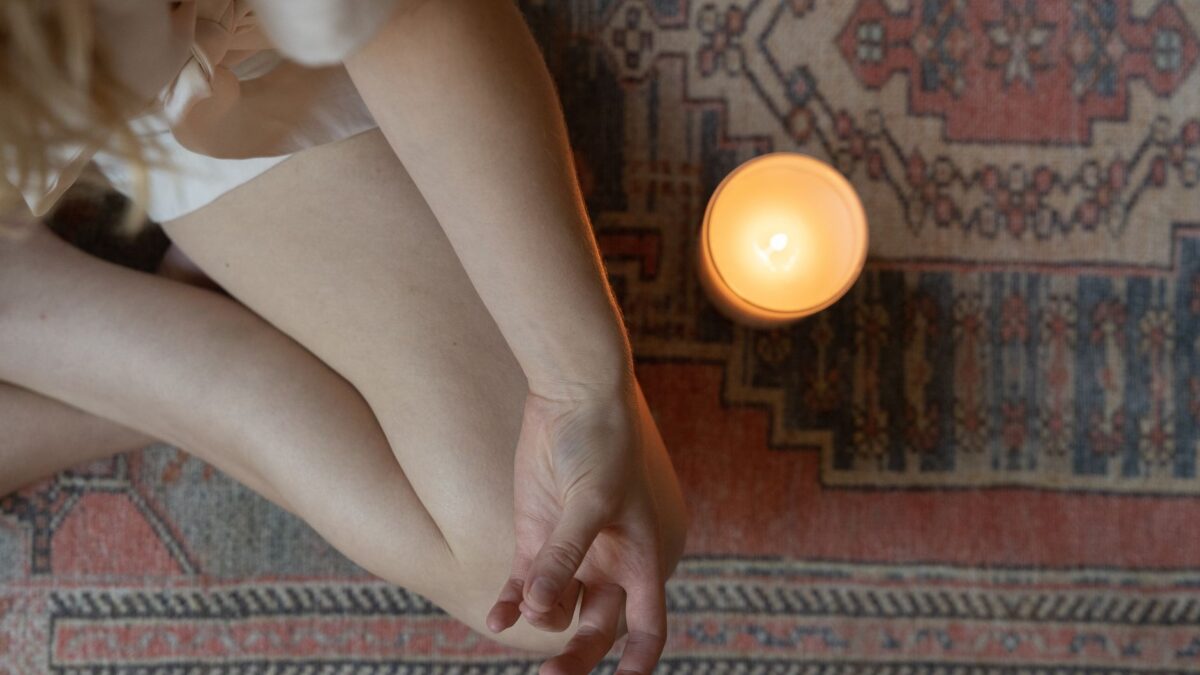
To get candle wax out of carpet, harden it with a bag of ice, break and scrape off as much as you can, vacuum the bits, then lay a plain paper towel over what’s left and press it with an iron on low (steam off) so the wax melts into the paper. Keep the iron moving and test the heat first, since synthetic carpet fibers can melt. Colored candles may leave a dye mark that needs a carpet spot cleaner afterward.
Wax is easy to remove once you stop trying to wipe it while it’s soft. Wiping smears it deeper into the pile. Let it harden, take off the bulk mechanically, then deal with the thin film.
What you need
- Ice cubes in a sealed plastic bag, or an ice pack
- A dull knife, spoon or old plastic card
- A vacuum
- Plain white paper towels, a brown paper bag or a white cotton cloth (no printed paper, which can transfer ink)
- A clothes iron, or a hair dryer as a backup
- Optional: carpet spot cleaner, rubbing alcohol or dry-cleaning solvent for residue
How to remove candle wax from carpet
- Let it cool. Don’t touch hot wax. Wait until it has set.
- Freeze it. Place a bag of ice on the wax for about 10 minutes. Keep the bag sealed or wrapped in a thin towel so water doesn’t drip onto the wax.
- Scrape. Once the wax is brittle, break it up with a dull knife or spoon and lift the pieces out. Work gently so you don’t cut or pull the carpet fibers.
- Vacuum. Pick up all the loose flakes.
- Melt and absorb. Lay a paper towel or brown paper over the remaining wax. Set the iron to low with steam off, and press it on the paper for a few seconds at a time, keeping it moving. The wax melts into the paper.
- Move to a clean section. As the paper soaks up wax, shift it so clean paper sits over the spot. Repeat until no more wax transfers.
- Treat residue. If an oily film or a color mark remains, see the next section.
- Fluff the pile. Once cool, brush the fibers upright with your fingers or a soft brush.
Test the iron on a hidden corner first. Some synthetic fibers can melt or turn shiny at temperatures that are fine for cotton. If you don’t own an iron, a hair dryer on warm, followed by quick blotting with paper towels, also works, just more slowly.
Removing dye left by colored candles
Red, green and other colored candles can leave a stain after the wax itself is gone. Extension stain guides recommend sponging the area with a dry-cleaning solvent after ironing out the wax (see the New Mexico State University stain guide). At home, the options in order of gentleness are:
- A carpet spot cleaner, applied as the label directs, blotted and rinsed.
- Rubbing alcohol dabbed on with a white cloth, then blotted. Test a hidden area first, as it can affect some dyes.
- A solvent-based spot remover labeled for carpet.
Rubbing alcohol and many solvents are flammable. Use small amounts, open a window, and keep them away from candles, the stove and any flame. Let the carpet dry completely before using the iron again over a spot treated with solvent.
Candle wax on wood and hard floors
Don’t use the iron on hard floors. Instead:
- Harden the wax with an ice pack in a plastic bag for a few minutes.
- Gently pry it up with a plastic card or plastic scraper. Avoid metal, which can scratch the finish.
- Wipe away the leftover film with a cloth barely dampened with water and a drop of dish soap, then dry the floor.
- If a thin haze remains, a hair dryer on low for a few seconds softens it so you can wipe it off.
Keep water to a minimum on wood, laminate and vinyl. For routine care, see how to clean hardwood floors.
Candle wax on tablecloths and fabric
- Put the tablecloth in the freezer, or hold ice against the wax, until it’s hard.
- Crack and scrape off the bulk with a dull knife.
- Place the stained area between two layers of paper towel and iron on a setting suitable for the fabric, changing the paper as it absorbs the wax.
- Treat any leftover oily mark with dish soap or a laundry pretreatment, as you would a grease stain.
- Wash in the warmest water the care label allows and air-dry so you can check the spot before using the dryer.
For candle wax on area rugs, the same freeze-scrape-iron method applies, but check the fiber type first. Wool, silk and natural fiber rugs are more sensitive to heat and solvents; see how to clean an area rug.
Method by surface
| Surface | Harden | Remove bulk | Remove film |
|---|---|---|---|
| Carpet | Ice bag | Dull knife, vacuum | Iron on low over paper towel |
| Wood, laminate, vinyl | Ice pack | Plastic card | Damp soapy cloth, then dry |
| Tablecloth | Freezer | Dull knife | Iron between paper, then wash |
| Upholstery | Ice bag | Dull knife | Check cleaning code before heat or solvent |
Safety notes
- Keep the iron moving and on its lowest effective setting, with steam off on carpet.
- Read the label of any spot cleaner or solvent, test it on a hidden area, and never mix products.
- Ventilate the room when using alcohol or solvents, and keep them away from flames.
- Store products in their original containers, out of reach of children and pets.
- If someone swallows, inhales or gets a cleaning product in the eyes, call Poison Control at 1-800-222-1222 (US) or emergency services.
Bottom line
Freeze, scrape, vacuum, then iron the thin layer into paper towels on low heat. On hard floors skip the iron and use a plastic card. Colored candles may need a spot cleaner or a little rubbing alcohol at the end; handle that carefully, because it is flammable.
FAQ
Can I use a hair dryer instead of an iron?
Yes. Warm the wax and blot immediately with paper towels. It’s slower but gentler on heat-sensitive fibers.
Why shouldn’t I use newspaper?
Printing ink can transfer onto carpet or fabric when heated. Plain white paper towels or a brown paper bag are safer.
Will the iron damage my carpet?
It can melt or flatten synthetic fibers if it’s too hot or held still. Use the lowest setting that melts the wax, keep it moving and test a hidden spot first.
Is soy or beeswax easier to remove?
The method is the same for paraffin, soy and beeswax. Softer waxes may need a little longer on ice before scraping.