How to Clean Hardwood Floors Without Damaging the Finish
Most hardwood damage comes from grit and too much water, not from too little scrubbing. Here is a low-cost routine that keeps the finish looking good for years.
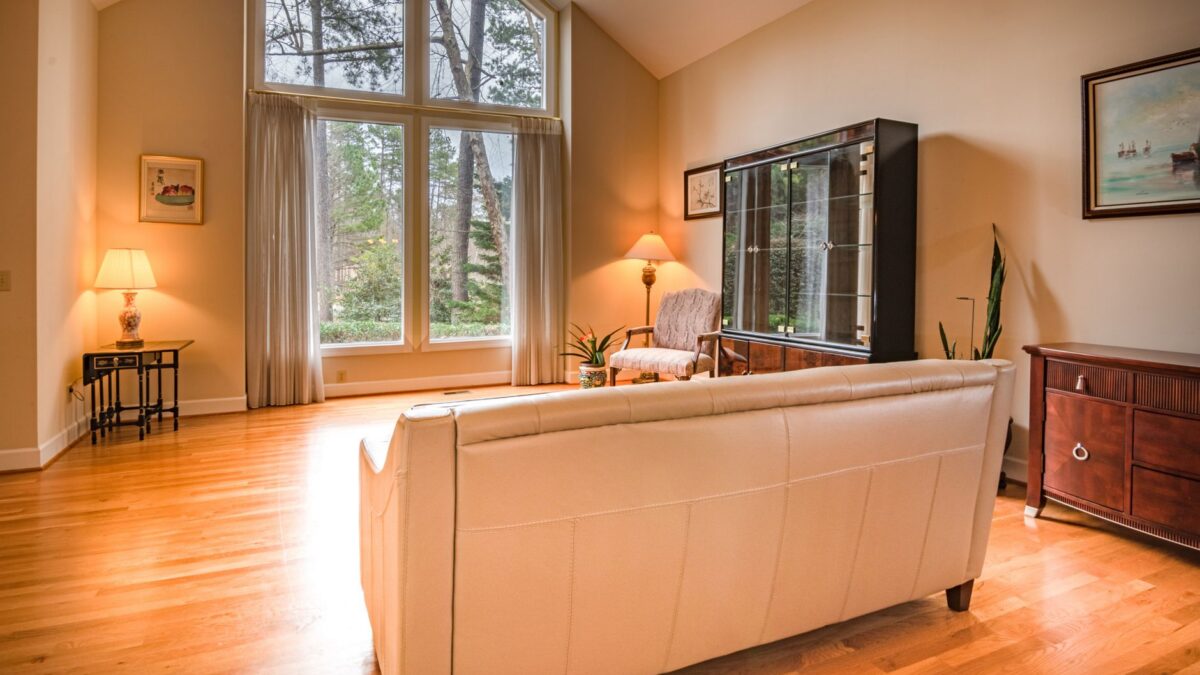
To clean hardwood floors, remove grit with a soft broom, microfiber dust mop or a vacuum on its bare-floor setting a few times a week, then once a month use a damp, not wet microfiber mop with a cleaner made for your floor’s finish. Skip steam mops, soaking wet mops, vinegar-heavy mixes, oil soaps and “shine restorers” unless your floor’s maker specifically approves them. Wipe up spills right away.
That is the whole method. The rest of this guide covers how to tell what finish you have, which cleaners are safe, and how to deal with sticky spots and dull patches without spending money on products you don’t need.
First, find out what kind of finish you have
How you clean depends less on the wood species and more on what sits on top of it.
- Surface-sealed (most floors since the 1970s and nearly all prefinished boards): polyurethane, urethane or an aluminum-oxide factory finish forms a protective film. These tolerate a lightly damp mop.
- Penetrating oil or hardwax-oil finishes: the finish soaks into the wood rather than forming a hard film. They need cleaners made for oiled floors and periodic re-oiling.
- Waxed or unsealed floors (often older homes): water can raise the grain, leave white marks and strip wax. These should be cleaned dry, with wax-compatible products only.
A quick test: in a low-traffic corner, put a few drops of water on the floor. If it beads and sits on top, the floor is likely surface-sealed. If it darkens the wood and soaks in within a few minutes, the finish is worn, oiled or waxed, and you should keep water to a minimum. If you have the paperwork from the installer or flooring maker, follow it over any general advice, including this one.
What you need
- Microfiber dust mop or soft-bristle broom
- Vacuum with a hard-floor setting (beater bar off) or a soft brush head
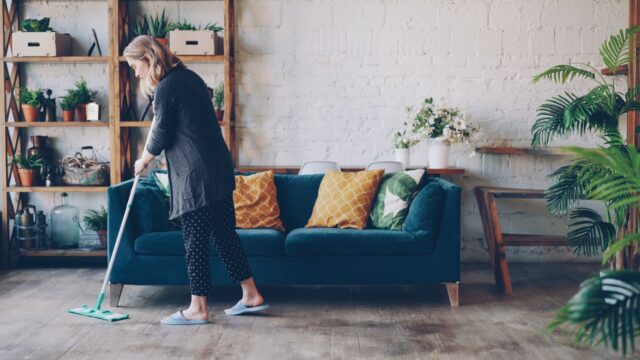
- Flat microfiber mop with washable pads
- A wood floor cleaner made for your finish type, or a few drops of mild dish soap in a bucket of warm water for sealed floors
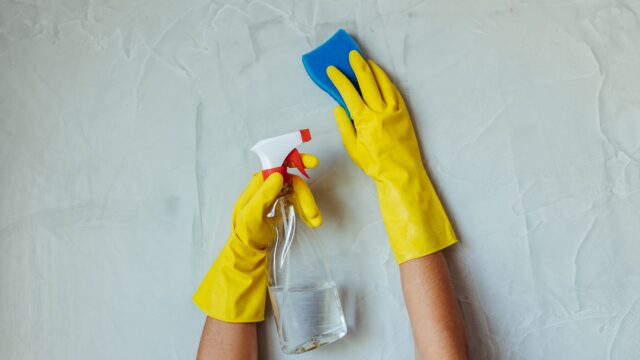
- Spray bottle, dry microfiber cloths, felt furniture pads
How to clean a sealed hardwood floor, step by step
- Dry-clean first. Sweep, dust-mop or vacuum the whole floor. Grit acts like sandpaper underfoot, and mopping over it just drags it around.
- Mix or prepare your cleaner. Use the product as the label directs. For a budget option on a sealed floor, a few drops of mild dish soap in warm water works; more soap is not better because it leaves a film.
- Apply lightly. Mist the cleaner onto a small section or onto the mop pad. Never pour liquid onto the floor or leave puddles.
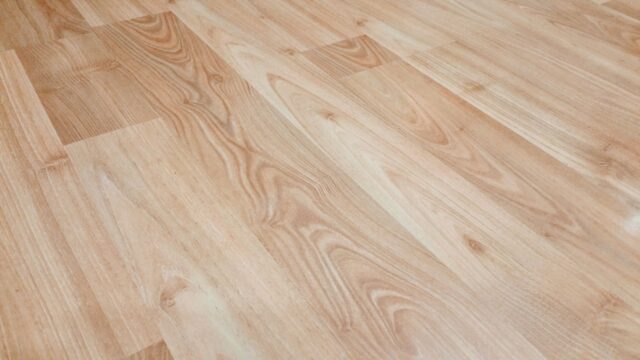
- Mop with the grain. Work in sections about the size of a doorway, following the direction of the boards. The pad should feel barely damp, wrung until no drips come out.
- Swap pads as they get dirty. A dirty pad redeposits soil and causes streaks.
- Dry any damp spots. The floor should air-dry within a minute or two. If it stays wet longer, you used too much liquid.
Open a window or run a fan while you work if your cleaner has a strong scent, keep it in its original bottle, and store it away from children and pets. If someone swallows, inhales or gets a cleaning product in the eyes, call Poison Control at 1-800-222-1222 (US) or emergency services.
What damages hardwood floors
| Product or habit | Why it’s a problem | Use instead |
|---|---|---|
| Steam mops | Heat and moisture can be forced into seams and break down the finish over time | Damp microfiber mop |
| Wet string mops, buckets of water | Standing water causes cupping, gaps and white marks | Spray-and-mop method |
| Vinegar or other acidic mixes | Repeated use may dull some finishes; many flooring makers advise against it | pH-neutral wood floor cleaner |
| Oil soaps, polishes, waxes on sealed floors | Leave residue that builds up, looks dull and can interfere with recoating | Cleaner labeled for urethane finishes |
| Vinyl or tile cleaners | Formulated for other surfaces; can leave the floor slippery or hazy | Wood-specific product |
| Beater-bar vacuums | Spinning bristles can scratch and dent | Hard-floor setting or soft brush |
| Ammonia, bleach, abrasive powders | Can etch, discolor or scratch the finish | Mild cleaner and a soft cloth |
The National Wood Flooring Association’s consumer care tips line up with this list: daily dry cleaning, a finish-appropriate cleaner about once a month, and no wet mops or steam mops. Cornell Cooperative Extension’s hardwood maintenance notes also warn against wet-mopping and using vinyl or tile products on wood.
Unsealed, waxed and oiled floors
For waxed or unsealed wood, stick to dry methods: sweep, vacuum and use a dry or barely damp cloth for spills. Clean scuffs with a product made for waxed wood, and expect to buff or re-wax periodically.
For oiled or hardwax-oil floors, use the soap or cleaner the finish maker recommends. These cleaners are designed to leave a small amount of nourishing residue that general-purpose cleaners strip away.
Spot problems and quick fixes
Sticky spots and dried spills
Spray a little of your regular wood cleaner on a microfiber cloth, lay it on the spot for 30 seconds to soften it, then wipe. For gum or wax, harden it with an ice cube in a plastic bag and lift it with a plastic card.
Scuffs from shoes
Rub gently with a dry microfiber cloth or a tennis ball. If a mark remains, use a dab of wood floor cleaner on the cloth.
Dull or hazy areas
Haze is often residue from too much cleaner or the wrong product. Mop once with plain warm water on a well-wrung pad, then dry. If the floor still looks dull in traffic lanes, the finish itself is worn. Polish won’t fix that; a professional “screen and recoat” (light abrasion plus a fresh coat of finish) will. The NWFA suggests that type of maintenance coat every 3 to 5 years, depending on wear.
Pet accidents
Blot quickly, clean with a cleaner safe for your finish, and dry the area. Urine left to sit can stain and penetrate gaps between boards. An enzyme cleaner may help with odor, but spot-test it first and keep it from soaking in.
Prevention saves the most money
- Put mats inside and outside exterior doors to trap grit.
- Add felt pads to chair and table legs and replace them when they wear thin.
- Lift furniture instead of dragging it.
- Keep pets’ nails trimmed and avoid walking in high heels with damaged tips.
- Use breathable rug pads; some rubber backings can mark finishes.
- Keep indoor humidity in a moderate range to limit gaps in winter and cupping in summer.
If you also have other hard floors, the routines differ. See our guides on cleaning laminate floors and cleaning vinyl plank, and our breakdown of whether a steam mop is ever safe on wood.
How often to clean
| Task | How often |
|---|---|
| Sweep, dust-mop or vacuum | Daily in busy areas; at least weekly elsewhere |
| Damp-mop with wood cleaner | About once a month, or as needed in kitchens and entries |
| Spot-clean spills | Immediately |
| Replace felt pads, wash mats | Every few months |
| Professional recoat | When traffic lanes look worn (often every few years) |
Bottom line
Keep grit off the floor, use as little water as possible, and choose a cleaner made for your finish. Skip steam, vinegar-heavy mixes, oil soaps and polishes on sealed floors. When the finish looks worn rather than dirty, the answer is a recoat, not more product.
FAQ
Can I use Swiffer-style wet pads on hardwood?
Many disposable wet pads are fine on sealed wood if they’re only lightly damp, but check that the solution is labeled for wood and that your flooring maker doesn’t prohibit it. A reusable microfiber pad with your own cleaner is cheaper over time.
Is vinegar safe for hardwood floors?
Advice varies, and many flooring makers and the NWFA steer people toward cleaners made for the finish instead. Because repeated acidic cleaning may dull some finishes, it’s safer to skip it unless your floor’s care guide approves it.
How do I know if my floor needs refinishing instead of cleaning?
If water soaks in quickly, the wood looks gray or bare in traffic lanes, or scratches go through the color, the protective finish is worn. A pro can tell you whether a recoat is enough or a full sand-and-refinish is needed.
Is a robot vacuum OK on hardwood?
Generally yes, if its brush and wheels are designed for hard floors and you keep the brushes free of grit. Check the floor maker’s guidance on any robot mopping feature, which adds moisture.