How to Fix a Running Toilet: Flapper, Chain, Float and Fill Valve
A toilet that keeps running or refills on its own wastes water every hour. Most fixes take simple parts and a few minutes once you know which part is failing.
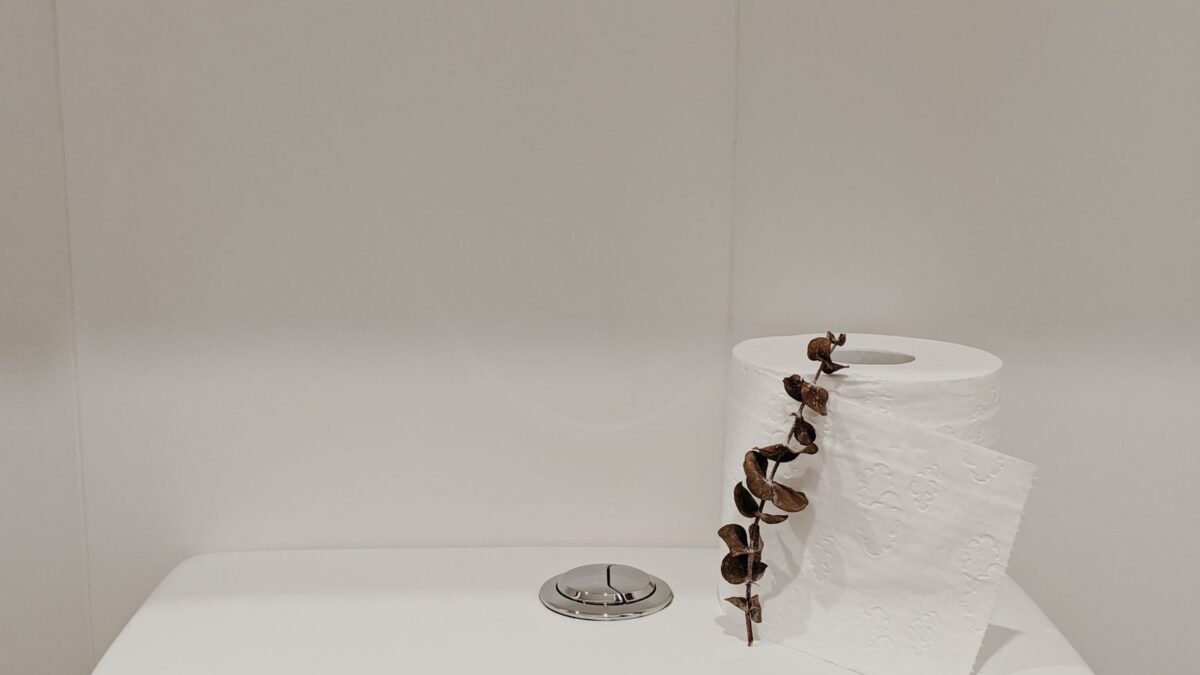
A running toilet almost always comes down to one of three parts: a worn or misaligned flapper letting water leak into the bowl, a chain that is too short or too long, or a float set too high or a failing fill valve that sends water down the overflow tube. Lift the tank lid, watch what happens after a flush, and do a dye test to confirm a silent leak. Most fixes cost little and take under an hour; turn off the water supply valve first.
Why it is worth fixing now
The EPA’s WaterSense program has long named worn toilet flappers as a common cause of household leaks, and has said that replacing one can save up to 200 gallons of water a day in a badly leaking toilet. It also estimates that the average household’s leaks can add up to more than 10,000 gallons a year. Even a quiet trickle adds to your bill. The EPA’s Fix a Leak Week page has more on finding household leaks.
How a toilet tank works
- Flush handle and chain: pulling the handle lifts the flapper via a chain.
- Flapper: a rubber seal at the bottom of the tank. When it lifts, water rushes into the bowl; it then drops and reseals.
- Fill valve: the tall assembly on one side that refills the tank and sends a small stream into the overflow tube to refill the bowl.
- Float: a cup or ball that rises with the water and shuts off the fill valve at the right level.
- Overflow tube: the open pipe in the middle that prevents the tank from overflowing.
Diagnose the problem
| Symptom | Likely cause | Fix |
|---|---|---|
| Toilet refills by itself every so often (phantom flush) | Flapper leaking into the bowl | Clean or replace the flapper |
| Water keeps running into the overflow tube | Float set too high or fill valve not shutting off | Lower the float; replace the fill valve |
| Running stops when you jiggle the handle | Chain too long and tangling, or catching | Adjust chain length |
| Weak flush, flapper drops too soon | Chain too long or water level too low | Shorten chain slightly; raise water level to the mark |
| Hissing sound, slow refill | Worn fill valve seal or debris | Clean or replace the fill valve |
| Water on the floor | Supply line, tank bolts or wax ring | Tighten or replace; call a plumber for the wax ring if unsure |
The dye test
- Remove the tank lid and set it somewhere safe; it is heavy and breaks easily.
- Add a few drops of food coloring to the tank water. Do not flush.
- Wait about 10 to 15 minutes.
- If color appears in the bowl, the flapper (or the flush valve seat) is leaking.
- Flush afterward so the dye does not stain.
Next, check the water level. It should sit at the mark on the inside of the tank or overflow tube, usually about an inch below the top of the overflow tube. If water is spilling into the tube, the problem is the float or fill valve, not the flapper.
What you need
- A replacement flapper sized for your flush valve (usually 2 or 3 inches; check the old one or the toilet model)
- A universal fill valve, if needed
- An adjustable wrench and a sponge or towel
- Rubber gloves
- A soft scrub pad for cleaning the valve seat
Fix 1: Adjust the chain
With the flapper closed, the chain should have a little slack, about half an inch, but not so much that it can tangle under the flapper. Move the hook to a different chain link on the handle arm. Flush several times to test. A chain that is too tight holds the flapper slightly open; one that is too long can catch under it.
Fix 2: Lower the float
- Cup-style float: squeeze the clip or turn the adjustment screw on top of the fill valve to slide the float down.
- Ball float on an arm: turn the adjustment screw where the arm meets the valve, or gently bend a brass arm downward on older models.
Lower it until the tank stops filling at the marked level, below the top of the overflow tube.
Fix 3: Replace the flapper
- Turn off the water at the supply valve behind the toilet (clockwise).
- Flush and hold the handle down to drain most of the tank. Sponge out what is left.
- Unhook the chain and slide the old flapper’s ears off the pegs on the overflow tube (or remove its ring).
- Clean the valve seat, the ring the flapper sits on, with a soft pad. Mineral deposits can stop even a new flapper from sealing.
- Fit the new flapper and attach the chain with a little slack.
- Turn the water back on, let the tank fill and test with another dye test.
If a new flapper still leaks, the seat may be pitted or cracked. A plumber can replace the flush valve, which usually means removing the tank.
Fix 4: Replace the fill valve
- Shut off the water, flush and sponge the tank dry.
- Put a towel under the tank and disconnect the supply line from the bottom of the fill valve.
- Unscrew the locknut under the tank and lift the old valve out.
- Adjust the new valve’s height per its instructions, insert it and tighten the locknut snugly by hand plus a small turn. Overtightening can crack the tank.
- Clip the refill tube to the overflow tube, without pushing it below the water line.
- Reconnect the supply line, turn the water on and check for drips. Set the float.
Clean while you are in there
Mineral scale and slime in the tank can foul the flapper and valve. See how to clean a toilet tank for safe methods. Avoid in-tank bleach tablets unless your toilet maker allows them; some manufacturers say they can damage rubber parts. Never mix bleach-based tablets with acid bowl cleaners; for the bowl itself, use our toilet cleaning guide.
When to call a plumber
- The supply valve will not turn or leaks.
- The tank or bowl is cracked.
- Water seeps from the base of the toilet.
- The flush valve seat is damaged.
Bottom line
Watch the tank after a flush and run a dye test. Water slipping into the bowl means the flapper or chain; water spilling into the overflow tube means the float or fill valve. Shut off the water, clean the valve seat and replace the faulty part. It is one of the cheapest water-saving fixes in a home.
FAQ
How long do toilet flappers last?
Lifespans vary with water chemistry and cleaning products. If a flapper feels stiff, warped or slimy, replace it.
Do I need a specific flapper for my toilet?
Match the size (2 or 3 inches) and style. Some toilets need a model-specific part; check the maker’s site with the model number inside the tank.
Why does my toilet run for a few seconds every hour?
That is usually a slow flapper leak lowering the tank level until the fill valve tops it up.
Can a running toilet raise my bill a lot?
It can. The EPA has said a badly leaking flapper can waste up to 200 gallons a day, so check your bill and fix it promptly.