Car AC Smells Like Vinegar or Old Socks: Evaporator and Filter Fixes
A sour or dirty-sock smell from car AC usually means mold on the evaporator. How to replace the cabin filter, clean the coil and keep it from returning.
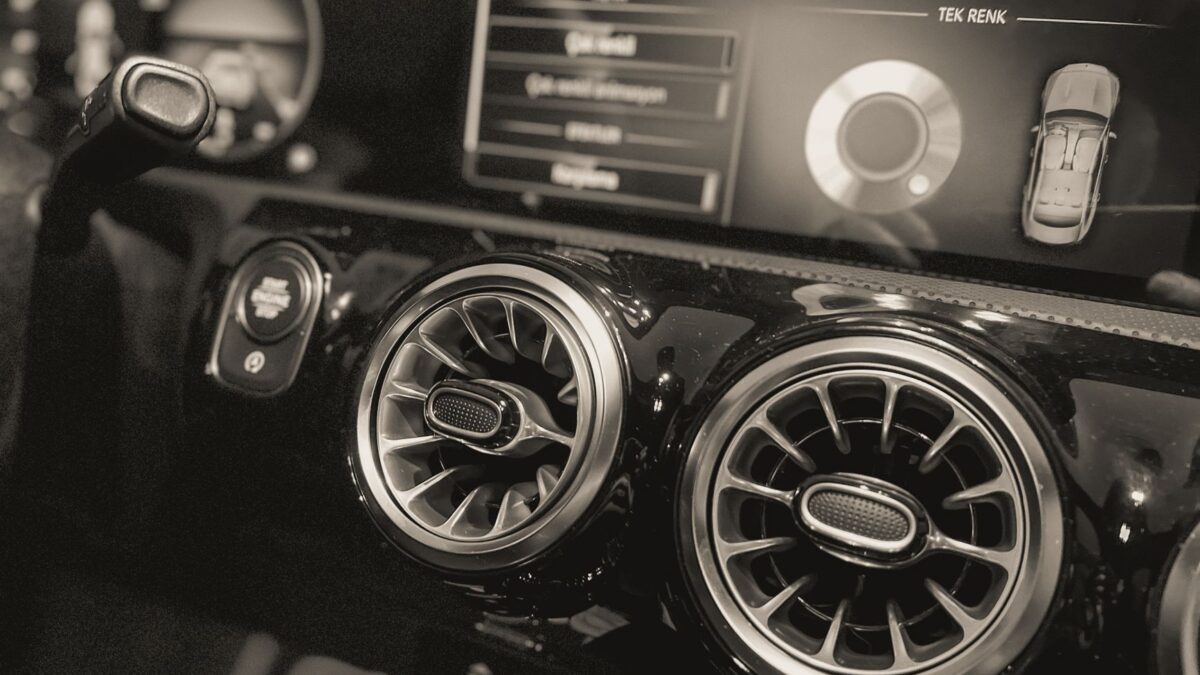
A car air conditioner that smells like vinegar or old socks almost always has mold, mildew or bacteria growing on the evaporator core, the cold coil behind the dashboard, often helped along by a dirty cabin air filter. The usual fix is to replace the cabin filter, clean the evaporator with a foaming cleaner made for car HVAC systems, check that the condensate drain is clear and change how you shut the system off so the coil can dry. A sweet smell, a chemical smell or a smell with fog on the windows is a different problem and needs a mechanic.
Why does car AC smell like vinegar or dirty socks?
The evaporator gets cold enough to pull moisture out of the air, so it stays wet whenever the AC runs. Dust, pollen and leaf debris that slip past the filter settle on those damp fins, and microbes feed on them. Their waste gives off the sour, musty or sweaty smell people describe as vinegar, gym bag or old socks.
The smell is usually strongest in the first minute after you turn the fan on, then fades. It tends to be worse in humid weather and in cars that are often driven on short trips, because the coil never gets a chance to dry out between drives.
Other common contributors:
- A clogged or overdue cabin air filter that holds moisture and debris.
- A blocked evaporator drain tube, so water pools in the HVAC housing instead of dripping under the car.
- Leaves and pine needles in the cowl, the vented panel at the base of the windshield where fresh air enters.
- Water getting into the cabin and soaking the carpet, which can smell similar. If the smell is present with the AC off, look at finding and drying a leak after rain.
How do you replace the cabin air filter?
Most cabin filters sit behind the glove box and take 10 to 15 minutes to change with no tools or only a screwdriver. Some cars put the filter under the dashboard or under the cowl instead, so check the owner’s manual for the location and the recommended replacement interval.
- Empty the glove box and release it. Many models have side stops or a damper arm that unclips so the box swings down.
- Unclip the filter cover and slide the old filter out. Note the airflow arrow printed on its edge.
- Vacuum loose debris from the filter housing.
- Insert the new filter with the arrow pointing the same way as the old one.
- Refit the cover and glove box, then run the fan to check for rattles or whistling.
A filter that is gray, packed with leaves or smells musty itself should be replaced, even if it is not yet due. Carbon-activated filters cost a little more and help with outside odors, but they do not remove mold already living on the evaporator.
How do you clean the evaporator?
Use a foaming evaporator or AC system cleaner sold for cars, and follow the label exactly. These products come with a long, thin tube so the foam reaches the coil. There are two common ways in, and the product instructions will say which one to use.
- Through the drain tube: the foam goes up the rubber drain that sticks out from the firewall or under the car on the passenger side. It fills the housing, sits for the time on the label, then drains back out as liquid.
- Through the cabin filter opening or blower: with the filter removed, the tube is pushed toward the evaporator and the foam is sprayed onto the fins.
After the dwell time, run the fan on high with the AC off and the windows open for 10 to 15 minutes to dry the system and clear the fumes. Put a fresh filter in only after cleaning, or the old debris and cleaner will end up in the new one.
Safety notes: use one product at a time and never mix it with other cleaners, disinfectants or bleach. Work with the doors open, keep children and pets out of the car until it has aired, and do not spray household disinfectant or air freshener into the vents, since those products are not made for the coil or the electronics behind the dash. If anyone breathes in or swallows a cleaner, call Poison Control at 1-800-222-1222 in the US.
How do you check the AC drain?
A small puddle of clear water under the front passenger side after the AC runs is normal and means the drain works. No drip at all on a hot, humid day, water on the passenger floor or a sloshing sound behind the dash can mean the drain is blocked.
The drain is usually a short rubber hose on the firewall or under the car near the passenger footwell. Gently squeezing the end or pushing a soft, flexible wire a short way in can free a clog of debris. Avoid stiff rods that can puncture the housing. If you cannot reach it, a shop can clear it quickly.
How do you keep the smell from coming back?
- Turn the AC compressor off (press the A/C button) a few minutes before you reach your destination while leaving the fan on. The fan blows warmer air across the coil and dries it.
- Use fresh-air mode instead of recirculation for part of each drive, especially in humid weather.
- Keep the cowl clear of leaves and replace the cabin filter on schedule.
- Clean up spills and wet floor mats promptly. Our guide to getting a smell out of a car covers other sources.
When is the smell a sign of something more serious?
Some smells point to faults that a cleaner will not fix:
- A sweet, syrupy smell, especially with a greasy film on the inside of the windshield, can mean a leaking heater core. Engine coolant is toxic, so have it checked.
- A sharp chemical smell along with weak cooling can mean a refrigerant leak. Refrigerant work requires certified technicians under U.S. Environmental Protection Agency rules.
- A rotten egg smell usually comes from the exhaust or battery; see what a rotten egg smell in a car means.
- A fuel smell is a safety issue. Read when a gas smell is dangerous and stop driving if it is strong.
- A burning or electrical smell from the vents means turning the system off and getting it inspected.
Quick answers
Can I use vinegar or Lysol in the car vents?
It is better not to. Household sprays rarely reach the evaporator, they only mask the smell for a while, and they can leave residue on parts and electronics. A cleaner made for car AC systems, used as the label directs, is the safer choice.
How much does a shop charge to clean the evaporator?
Prices vary by shop and car. Many offer an AC odor treatment as a short service, and some cars need the dashboard partly removed to reach the coil, which costs more. Ask for a quote that includes a new cabin filter.
Is mold in the car AC harmful?
Mold can trigger allergy symptoms and irritate people with asthma, so treat a persistent musty smell as something to fix. If someone in the car has breathing problems, have the system cleaned soon and keep the windows open until it is done.
Why does the smell come back every summer?
Hot, humid weather keeps the coil wet longer, and microbes return if debris builds up again. Drying the coil before parking and changing the filter on time usually keeps it under control.