Air Duct Cleaning Cost and Benefits: When It Is Worth It
Air duct cleaning is worth paying for mainly when ducts show mold, pests or heavy debris. See what affects the price and what to ask a contractor.
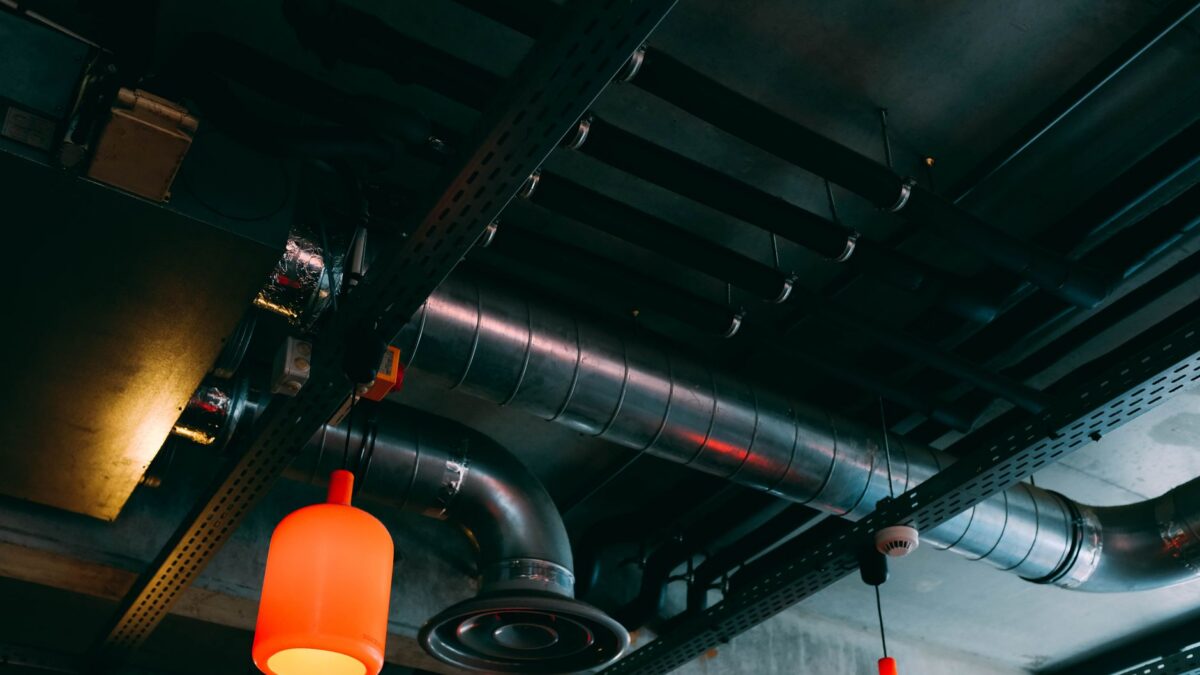
Air duct cleaning removes dust and debris from the supply and return ducts, vents and other parts of a home’s heating and cooling system. It is worth paying for when ducts have visible mold, a pest infestation or so much dust and debris that it blows out of the vents. For most homes without those problems, the U.S. Environmental Protection Agency says there is no proof that routine duct cleaning prevents health problems.
The price depends on the size of the home, the number of vents and runs, how dirty the system is, and local rates. Quotes are usually built per system, per vent or by square footage, so the same house can get very different numbers from different companies.
What does air duct cleaning actually do?
A cleaning crew loosens dust and debris from the inside of the ducts and pulls it into a powerful vacuum that exhausts outside or into a filtered collector. Contractors use agitation tools such as brushes or compressed-air whips to knock material free, then clean the registers, grilles and often the blower area.
The job removes settled dust and debris. It does not fix leaky ducts, poor airflow, or the source of moisture that caused mold in the first place.
What does air duct cleaning cost?
Price depends on a handful of factors, and a reliable figure for your home can only come from written quotes.
- Home size and number of vents: more registers and longer duct runs mean more labor.
- Type of system: a single furnace system costs less to service than a home with several separate units.
- Condition: heavy contamination, mold or pest droppings take longer and may need extra steps.
- Access: ducts in tight attics or crawl spaces are harder to reach.
- Extras: sanitizer or sealant treatments, and cleaning of the furnace or coil, are often priced separately.
Get at least two or three written quotes that list exactly what is included. A very low advertised price for “whole house” cleaning often covers only a limited number of vents, with charges added once the crew arrives.
When is duct cleaning worth it?
The EPA points to three situations where cleaning makes sense:
- Visible mold growth inside ducts or on other parts of the heating and cooling system. To confirm what is in the system, see when a mold inspection is worth it and what testing tells you.
- Ducts infested with rodents or insects.
- Ducts so clogged with dust and debris that particles are released into the living space.
Other reasons to consider it include after a renovation that produced a lot of construction dust, or when moving into a home whose system looks neglected. If you only suspect mold, have the suspected growth confirmed before paying for cleaning. A professional can tell you whether the problem is in the ducts or somewhere else, and the cost of dealing with it is covered in our guide to mold removal costs.
When can you skip it?
You can generally skip duct cleaning if the ducts are in normal condition, a thin film of household dust at the registers is the only issue, or the main goal is to reduce allergy symptoms. Normal dust in a home settles on the duct surfaces, and the EPA notes that studies have not shown that this dust leads to health problems. Anyone with allergies or asthma who is worried about indoor air should talk to a doctor.
Cheaper steps often solve the dust problem. Replacing the filter on schedule keeps debris out of the system, and how often to change your air filter depends on filter type, MERV rating and household. Cleaning the floors and surfaces, and keeping supply and return registers clear, helps too. A portable unit may also help in a single room: see how to choose an air purifier.
How do you hire a duct cleaner and avoid scams?
Ask for a written estimate and a description of the method before work starts. A reputable company explains how it contains dust, which tools it uses, and which parts of the system it will clean.
- Be wary of sales calls or coupons offering a very low price for the whole house.
- Be wary of a contractor who claims duct cleaning will cure allergies or prevent illness.
- Ask to see the mold or debris the contractor says is inside your ducts before agreeing to a mold treatment.
- Do not agree to biocide or sealant applications without understanding why the product is needed and reading the product label. Pesticides and sanitizers used in ducts should be registered for that use.
- Ask whether the company is insured and what happens if the crew damages ductwork.
The EPA’s indoor air quality pages explain what to consider before hiring a company. A system that has moisture problems will grow mold again unless the water source is found and fixed. In a house with a damp crawl space, crawl space dehumidifier and encapsulation may address the cause.
Quick answers
How often should air ducts be cleaned?
There is no set schedule. Clean them when there is a specific problem such as visible mold, pests or heavy debris, not on a calendar.
Does duct cleaning reduce dust in the house?
It may reduce the amount of dust coming from the vents for a time, but dust also comes from people, pets, fabrics and outdoor air. Filters and regular cleaning of surfaces control most of it.
Can I clean air ducts myself?
You can vacuum the registers and the first few feet of duct you can reach with a household vacuum, after turning off the heating and cooling system. Cleaning the full system needs professional equipment. If you find mold, stop and call a professional.
Should I get my ducts cleaned after a flood or water leak?
Wet ducts or insulation can grow mold, so a professional should inspect them. Porous duct insulation that has gotten wet may need to be replaced rather than cleaned.