Car Smells Sweet Like Syrup: Coolant Leak Causes and Fixes
A sweet, syrupy smell in or around a car usually means a coolant leak. Find where it comes from, what to check safely and when to stop driving.
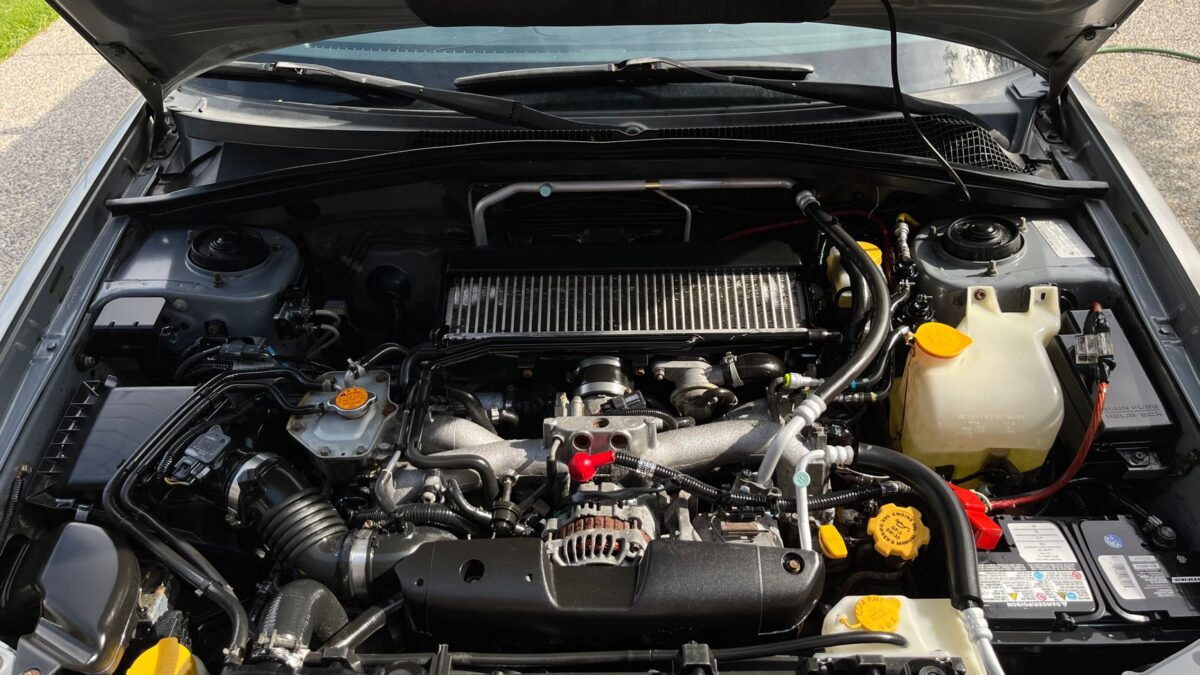
A sweet smell like maple syrup or warm candy in or around a car almost always means engine coolant (antifreeze) is leaking and getting hot. Most coolant is made with ethylene glycol, which smells sweet when it burns off a hot engine part or steams out of the heater. Find and fix the leak soon, because a car that loses coolant can overheat and damage the engine, and spilled coolant is poisonous to children, pets and wildlife.
Why does coolant smell sweet?
Ethylene glycol, the main ingredient in most antifreeze, has a naturally sweet smell and taste. When a few drops land on a hot exhaust manifold, engine block or radiator, they evaporate and the smell drifts into the air intake or through the vents. Some coolants use propylene glycol instead, which is less toxic but still smells faintly sweet when heated.
Coolant comes in several colors, including green, orange, pink, yellow and blue. Color varies by brand and type, so a puddle of any of these colors under the front of the car points to the cooling system.
Where is the coolant leak most likely coming from?
Where you notice the smell gives a strong clue about the source.
- Sweet smell inside the cabin, often with a greasy film or fog on the inside of the windshield, usually means a leaking heater core. The heater core is a small radiator behind the dashboard that warms the cabin.
- Damp carpet on the passenger side, sometimes with a sweet odor, is another sign of a heater core leak.
- Sweet smell outside the car after a drive, near the hood or front grille, usually comes from a radiator, a radiator hose, a hose clamp, the water pump or the coolant reservoir.
- White, sweet-smelling exhaust smoke that keeps coming after the engine warms up can mean coolant is burning inside the engine, often from a failed head gasket. This needs a mechanic.
Other odors point elsewhere. A sharp burning smell is covered in our guide to burning rubber, oil, plastic and brake smells, and a sulfur smell is usually the catalytic converter or battery.
Is it safe to keep driving with a coolant smell?
Short drives are often possible if the temperature gauge stays normal and the coolant level is above the minimum mark, but plan a repair within days. Stop driving and pull over safely if the temperature gauge climbs into the red, a coolant or overheating warning light comes on, steam rises from under the hood or the heater suddenly blows cold air. Driving an overheating engine can warp the cylinder head or ruin the head gasket, which turns a cheap hose repair into an expensive one.
A heater core leak also matters for health and visibility. Breathing coolant vapor in a closed cabin can cause headaches and irritation, and the film it leaves on the windshield makes it hard to see. Keep a window cracked and see a mechanic. Our guide on defogging car windows in cold and rainy weather helps in the meantime, but fog that returns with a sweet smell will not clear until the leak is fixed.
How do you check for a coolant leak safely?
Do all checks with the engine off and fully cool. The cooling system is under pressure when hot, and opening the radiator cap or reservoir cap on a warm engine can spray scalding coolant.
- Park on a level surface and let the engine cool for at least an hour.
- Open the hood and find the plastic coolant reservoir. Check that the level sits between the MIN and MAX marks.
- Look along the radiator hoses and heater hoses for wet spots, crusty white or colored residue, cracks or soft, swollen sections.
- Check the radiator fins and the area around the water pump (usually at the front of the engine, driven by a belt) for drips or dried trails.
- Slide a piece of light cardboard under the front of the car overnight. Drips in the morning show roughly where the leak is and what color the fluid is.
- Inside the car, feel the passenger-side carpet for dampness and check the windshield for an oily haze.
If the level is low, top it up with the coolant type listed in the owner’s manual, mixed as the label directs. Never mix different coolant types unless the label says they are compatible, and never add plain water as a long-term fix in cold weather.
What fixes a coolant leak, and when do you need a mechanic?
A loose hose clamp can often be tightened by hand with a screwdriver once the engine is cool. Most other coolant leaks need parts and the right tools.
- Cracked or swollen hoses are replaced, usually along with new clamps.
- A leaking radiator or cracked plastic reservoir is replaced; plastic tanks on radiators commonly crack with age.
- A failing water pump often leaks from a small weep hole and is replaced, frequently together with the timing belt on engines where the belt drives the pump.
- A heater core leak means replacing the core, which on many cars requires removing part of the dashboard.
- A head gasket failure needs a mechanic to confirm with a pressure or combustion gas test before any repair.
Stop-leak additives can slow a pinhole leak for a short time, but they can also clog the heater core and radiator passages. Use one only as a stopgap to reach a shop, and follow the label exactly.
How do you clean up spilled coolant?
Clean coolant spills right away. Ethylene glycol tastes sweet, so dogs, cats and children may lick puddles, and a small amount can cause serious kidney damage. Cover the spill with cat litter, sand or sawdust, let it soak up the fluid, sweep it into a sealed bag or container and rinse the spot with water. Wear gloves and keep pets and children away until the area is clean.
Do not pour used coolant down a drain, into the ground or into the trash. Many auto parts stores, service stations and household hazardous waste sites accept it for recycling.
If a pet may have swallowed coolant, call your veterinarian or an emergency vet at once, or the ASPCA Animal Poison Control Center. Treatment works best within hours. If a person swallows coolant, call Poison Control at 1-800-222-1222 in the US or emergency services.
Once the leak is fixed, a lingering sweet smell in the cabin can come from coolant soaked into carpet padding. Our step-by-step guide on getting a smell out of a car covers drying and cleaning carpets.
Quick answers
Can a car smell sweet without a coolant leak?
Rarely. Spilled soda or candy in the cabin can smell sweet, but a smell that gets stronger when the engine or heater is hot is almost always coolant.
Why does the sweet smell appear only when the heater is on?
Air for the heater passes through the heater core. If the core or its hoses leak, warm air carries the coolant smell straight into the cabin.
Is the sweet smell itself dangerous to breathe?
Brief exposure is usually only irritating, but regular breathing of coolant vapor in a closed cabin is best avoided. Ventilate the car and get the leak repaired.
How often should coolant be checked?
Check the reservoir level about once a month and before long trips, with the engine cold, and follow the coolant replacement interval in the owner’s manual.