Car Smells Like Burning Rubber, Oil, Plastic or Brakes: Causes
A burning smell in a car usually means oil on the exhaust, hot brakes, a slipping belt or melting wiring. See what each means and when to pull over.
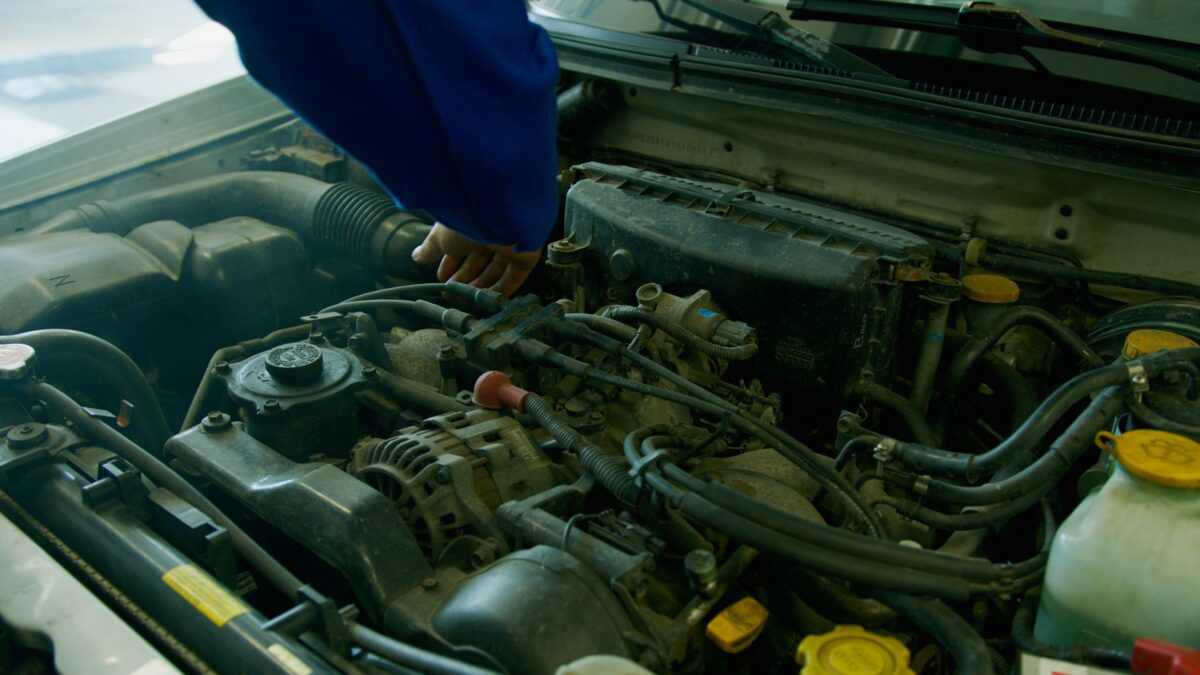
A car that smells like burning usually has one of five problems: oil dripping onto the hot exhaust, overheated brakes, a slipping or rubbing drive belt, melting plastic or electrical insulation, or coolant leaking onto hot parts. Burning plastic or electrical smells, any smoke, and a smell that comes with warning lights mean you should pull over, turn the engine off and get out. A faint burnt-oil smell after an oil change or a hot-brake smell after a long downhill can often wait for a mechanic, as long as it fades and nothing else changes.
When should you stop driving right away?
Stop as soon as it is safe if a burning smell comes with any of these signs:
- Visible smoke from under the hood, the wheels or the dashboard vents
- A sharp burning-plastic or electrical smell inside the cabin
- The temperature gauge climbing toward hot, or an oil pressure, brake or battery warning light
- Brakes that feel soft, pull to one side or need more pedal than usual
- Flickering lights, dead gauges or a fuse that keeps blowing
Pull well off the road, switch the engine off, get everyone out and stand away from traffic. Do not open the hood if you see smoke or flames coming from under it, because fresh air can feed a fire. Call emergency services for any fire. The National Fire Protection Association gives the same order for car fires: stop, turn off, get out, call.
What does a burning oil smell mean?
A burnt-oil smell almost always means oil is reaching a hot surface, most often the exhaust manifold. Common sources are a leaking valve cover gasket, a loose or overfilled oil filter, an oil filler cap left loose, or oil spilled during an oil change. Spilled oil burns off within a few drives and the smell fades. A smell that keeps coming back points to a leak.
Check the dipstick with the engine off and the car on level ground. If the level is dropping between changes, or you see fresh oil on the engine or drips under the car, book a repair soon. Oil on the exhaust can catch fire, so a heavy leak, blue smoke from the engine bay or a low oil warning means you should stop driving.
Why does my car smell like burning rubber?
A burning rubber smell usually comes from a drive belt slipping on its pulleys, a rubber hose touching a hot part, or something stuck to the exhaust. Belts often squeal along with the smell, especially on cold starts or when the AC or steering works hard. A worn belt can snap and stop the alternator, water pump or power steering.
Other causes are easier to find:
- A plastic bag or road debris caught on the exhaust or catalytic converter
- A loose hose resting against the engine or exhaust
- Tires rubbing on the fender liner after a curb strike or a change to bigger tires
With the engine off and cool, look for melted debris under the car and for any hose touching a hot part. Belt problems need a mechanic.
What does a burning plastic or electrical smell mean?
A burning plastic smell inside the car often means wiring insulation is overheating, usually from a short circuit, an overloaded accessory or a failing blower motor resistor. Electrical fires can start behind the dashboard where you cannot see them, so this smell is the one to take most seriously. Pull over, turn the engine off and leave the car if the smell gets stronger or you see smoke.
If the smell comes only when the fan runs on one speed, the blower motor or its resistor is a likely cause. Poorly wired aftermarket stereos and lighting are another source. Unplug anything plugged into the power outlets, and have an auto electrician inspect the car before you drive it far.
Why do my brakes smell like they are burning?
A sharp, acrid smell near the wheels usually means the brakes are overheating. Long downhill runs, heavy stop-and-go traffic, towing and driving with the parking brake partly on all cause it. New pads and rotors can smell for a few drives while they bed in.
A smell after a steep descent that fades once the brakes cool is normal. A smell from one wheel only, a wheel that is much hotter than the others after a short drive, or the car pulling to one side points to a sticking caliper or a parking brake that is not releasing. Overheated brakes lose stopping power (brake fade), so stop and let them cool before you go on.
On long hills, shift to a lower gear so the engine helps slow the car. Brake dust on the wheels is normal; cleaning brake dust off wheels and tires covers how to remove it without damaging the finish.
What about a burning clutch or a sweet burning smell?
A burning clutch smells like hot, sharp paper or brake dust and shows up in manual cars after hill starts, slow traffic or riding the clutch pedal. An occasional smell after a difficult hill start is common. A clutch that slips (revs rise but the car does not speed up) needs replacing.
A sweet, syrupy smell is coolant, which contains ethylene glycol or propylene glycol, leaking onto hot engine parts or through the heater core. You may see steam, a wet passenger footwell or fog on the inside of the windshield. Watch the temperature gauge and stop if it rises, because an overheating engine can be badly damaged. Coolant is poisonous to people and pets, so clean up spills and keep it out of reach. For a swallowing or skin exposure, call Poison Control at 1-800-222-1222 in the US.
How do you find where the smell is coming from?
Notice when the smell appears and where it is strongest. That narrows the cause quickly:
- Note whether it starts on a cold start, after a long drive, when braking, or only with the heater or AC on.
- Park on a clean, dry surface and check for drips after the car sits for a while: brown or black is usually oil, green, orange or pink is usually coolant.
- With the engine off and cool, look under the hood for wet spots, loose hoses and frayed belts.
- Walk around the car after a drive and hold your hand near, not on, each wheel to compare heat.
Never touch the exhaust, brakes or engine right after driving; they stay hot enough to burn skin for a long time. Other smells have different causes. A sulfur smell is covered in rotten egg smells in a car, and a fuel smell in when a car smells like gas.
Quick answers
Is it normal for a new car to smell like burning?
A new car can smell faintly of hot oil or paint for the first few drives as coatings on the exhaust and engine parts burn off. The smell should fade. Smoke, a strong smell or a smell that grows worse needs a dealer check.
Can I drive with a burning oil smell?
You can usually drive a short distance to a repair shop if the oil level is fine, there is no smoke and no warning light is on. Stop if smoke appears or the oil light comes on.
Why does my car smell like burning when the heater is on?
Dust burning off on the first cold day causes a brief smell. A lasting plastic smell points to the blower motor or its resistor, and a sweet smell points to a coolant leak at the heater core.
Could a burning smell be a recall issue?
Some fire and wiring faults are covered by recalls. Enter your vehicle identification number on the NHTSA recalls page to see open recalls for your car.