How to Clean Laminate Floors Without Swelling or Streaks
Laminate looks like wood but hates water even more. A light touch, the right pad and a cleaner your flooring maker approves are all it takes.
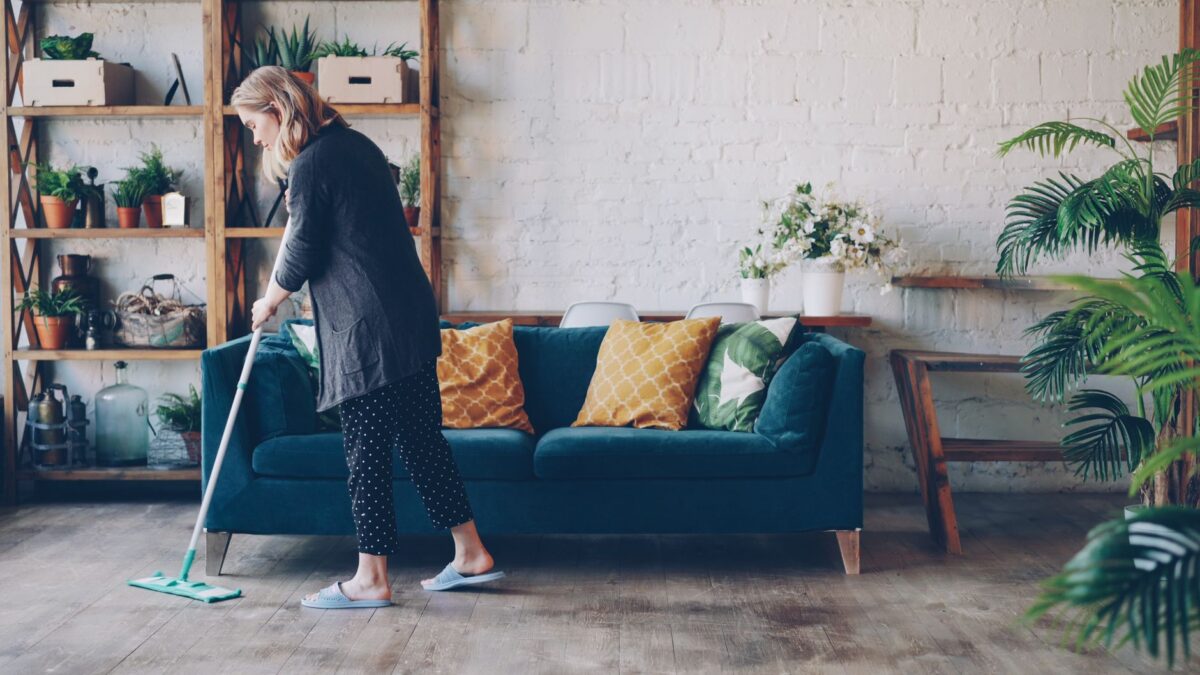
The safest way to clean laminate floors is to vacuum or dust-mop first, then wipe with a barely damp microfiber mop and a small amount of cleaner sprayed onto the pad, not poured on the floor. Most laminate makers warn against wet mopping, steam mops, wax, polish and oil soaps because water that gets into the seams can make the core swell. Check your floor’s care guide, since some newer water-resistant lines allow more moisture.
Why laminate needs a light touch
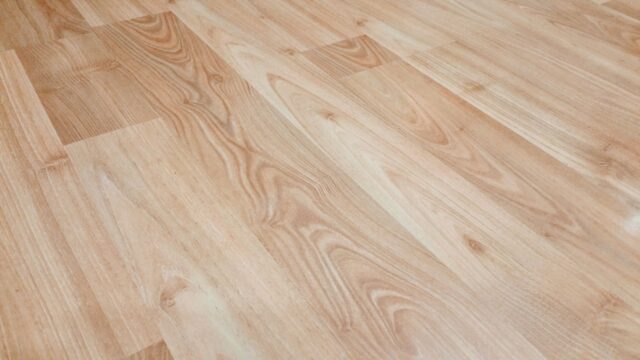
Laminate is a layered product: a clear wear layer and a printed image layer on top of a core that is usually high-density fiberboard. The top surface resists water fairly well, but the edges of each plank are its weak spot. When liquid sits on the floor, it can wick into the joints, swell the core and leave raised, peaked edges that don’t go back down. That damage is usually not covered by warranty.
Laminate warranties and care sheets commonly list excessive water, steam, abrasive tools and wax among the things that can void coverage. Some “waterproof” or “water-resistant” laminates allow occasional wet mopping, but the rules vary by product line, so the paperwork for your specific floor is the final word.
What you need
- Vacuum with a hard-floor setting (beater bar off) or a soft broom
- Flat microfiber mop with two or three clean pads
- Spray bottle
- Cleaner approved for laminate by your flooring maker, or a few drops of mild dish soap in a quart of warm water
- Dry microfiber cloths for buffing
Step-by-step: routine cleaning
- Remove grit. Vacuum or dust-mop the whole floor, including along baseboards. Turn off the rotating brush or use a hard-floor head so it doesn’t scratch.
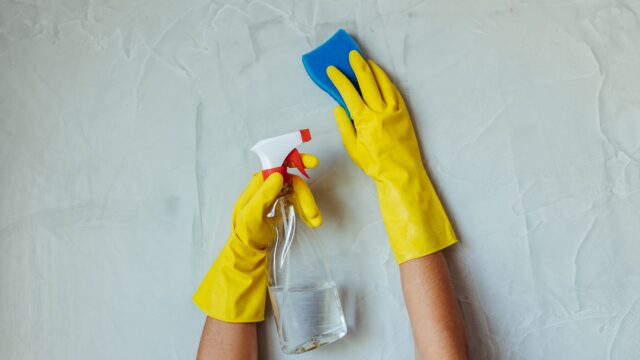
- Spray the pad, not the floor. Lightly mist the microfiber pad, or mist a small area at a time. You want a film of moisture that evaporates in under a minute.
- Mop in the direction of the planks. Following the length of the boards helps hide any faint lines.
- Change pads when they look dirty. Dirty pads are a major cause of streaks.
- Buff dry if needed. Go over any damp or streaky patch with a dry microfiber cloth.
If you use a commercial cleaner, follow the label, keep the room ventilated and store the bottle where kids and pets can’t reach it. If someone swallows, inhales or gets a cleaning product in the eyes, call Poison Control at 1-800-222-1222 (US) or emergency services.
How to get laminate streak-free
Streaks almost always come from one of four things:
- Too much cleaner. Concentrated soap leaves a film. Dilute more, or switch to plain warm water for one pass to lift the residue.
- Dirty pads or mop water. Use fresh pads and never mop with gray water.
- Wax, polish or “shine” products. Laminate doesn’t need them, and they build up into a cloudy layer. Many makers say not to use them at all.
- Hard water. If your tap water leaves spots, use distilled water in the spray bottle.
What works and what damages laminate
| Safe in most care guides | Commonly prohibited |
|---|---|
| Dry microfiber mop, soft broom | Steam mops |
| Vacuum on hard-floor setting | Beater bars and stiff brushes |
| Barely damp microfiber mop | Wet string mops, puddles, buckets poured on the floor |
| Cleaners labeled for laminate | Wax, polish, oil soap, acrylic “restorers” |
| Plastic scraper for stuck-on bits | Steel wool, scouring powder, abrasive pads |
| Felt pads under furniture | Dragging furniture, unprotected metal legs |
Is vinegar OK on laminate?
You’ll see diluted vinegar recommended online, and some older care sheets mention it. Many current laminate makers instead tell owners to use their own cleaner or a neutral one. Vinegar isn’t a disinfectant you can rely on, it doesn’t cut greasy films any better than a drop of dish soap, and there’s no benefit that justifies going against your care guide. If your floor’s paperwork doesn’t mention vinegar, skip it.
Never mix vinegar with bleach, and don’t combine different commercial cleaners in the same bottle.
Spot cleaning tough marks
Sticky spills and dried food
Lay a damp cloth over the spot for half a minute, then wipe. Lift anything crusty with a plastic scraper or an old gift card.
Scuffs and crayon
A dry microfiber cloth or a clean pencil eraser usually removes them. Avoid melamine foam on glossy laminate, since it is mildly abrasive and can dull the sheen.
Nail polish, marker or ink
Dab a small amount of the solvent your floor’s care guide permits onto a cloth (not directly on the floor), test in a hidden spot, and wipe quickly. Solvents are flammable: ventilate the room and keep them away from flames.
Gum or candle wax
Harden it with ice in a plastic bag, then pop it off with a plastic card.
What to do if laminate gets wet
Wipe up standing water immediately and dry the seams with a towel. Run a fan over the area. If edges have already lifted or the planks feel spongy, the core may be damaged; those boards usually need replacing. With click-lock floors, a flooring pro can often swap individual planks.
Prevention
- Use doormats to catch grit and water, choosing backings your flooring maker approves.
- Put felt pads under furniture legs.
- Keep a dry cloth handy in the kitchen for quick spill cleanup.
- Avoid robot mops that dispense a lot of water unless your floor’s guide allows it.
For other floor types, see our guides to hardwood floors and vinyl plank floors. If you’re shopping for a steam mop, read how to choose a steam mop first; laminate is the floor type most often excluded.
Bottom line
Keep laminate dry: vacuum often, mop with a barely damp microfiber pad, and use only a cleaner your flooring maker approves. No steam, no puddles, no wax or polish. Fewer products usually means fewer streaks.
FAQ
Can you use a steam mop on laminate?
Most laminate makers say no, and steam damage is a common warranty exclusion. A few water-resistant lines allow it on a low setting; only do it if your care guide explicitly says so.
How often should I mop laminate floors?
Dry-clean a few times a week. Damp-mop when the floor looks dirty, which might be weekly in a kitchen and monthly in a bedroom.
Why is my laminate floor cloudy?
Usually product buildup from too much cleaner or a polish. Mop once with plain warm water on a well-wrung pad and buff dry. If cloudiness persists, contact the flooring maker for a residue remover they approve.
Is “waterproof laminate” safe to wet mop?
Some are rated for topical spills for a set number of hours, but that’s not the same as being safe for regular wet mopping. Read the specific product’s care instructions.