How to Clean Glass Shower Doors: Soap Scum, Hard Water and Tracks
Cloudy shower glass is usually soap scum plus hard-water spots. A two-step spray, a non-scratch pad and a daily squeegee keep it clear, as long as you respect any factory coating.

To clean glass shower doors, spray the glass with warm water and a little dish soap to cut the soap film, then with plain white vinegar to dissolve hard-water spots (on uncoated glass), wait a few minutes, scrub with a non-scratch sponge, rinse and squeegee dry. If your glass has a factory protective coating, use only the cleaners its care sheet allows, and skip abrasives and razor blades. Never use vinegar together with a bleach-based cleaner.
What makes shower glass cloudy
Two things build up on the glass:
- Soap scum: a waxy film from bar soap and body products combined with minerals in the water. Detergent loosens it.
- Hard-water spots: dried calcium and magnesium deposits. Mild acid such as vinegar dissolves them.
Most cloudy doors have both, which is why a soap step and an acid step together work better than either alone. Very old deposits can etch the glass itself; if a spot stays cloudy even when the glass is clean and wet, it may be permanent etching.
What you need
- Two labeled spray bottles: one with warm water and a teaspoon or so of dish soap, one with distilled white vinegar
- Non-scratch scrub sponge
- Squeegee and microfiber cloths
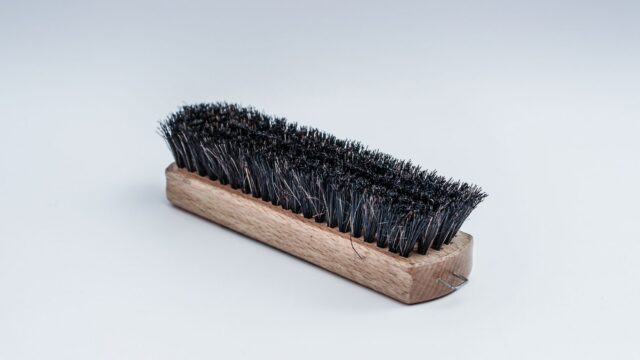
- Old toothbrush and a small flat tool (a plastic scraper or a cloth over a butter knife) for tracks
- Gloves
You can also mix warm vinegar and a small amount of dish soap in one bottle, a common homemade shower-glass spray. Keep it labeled and do not add anything else to it.
Step by step
- Check for a coating. Look up the paperwork or the maker’s name etched in a corner of the glass. Some coated glass care sheets rule out abrasive cleaners, razor blades and certain acids, and some say to use only the maker’s own cleaner. If yours does, follow it instead of the steps below.
- Rinse with warm water to loosen the film. Running a hot shower for a minute with the door closed helps.
- Spray the soap solution and wait a few minutes.
- Scrub with a non-scratch sponge in overlapping circles. Rinse.
- Spray vinegar on any remaining white spots on uncoated glass. Wait 5 to 10 minutes. For heavy spots, lay a vinegar-soaked paper towel on the glass so it stays wet.
- Scrub again and rinse thoroughly with water.
- Squeegee from top to bottom, overlapping strokes, and wipe the edge with a microfiber cloth.
Cleaning the tracks and frame
Sliding door tracks hold standing water, hair and soap sludge, which is where mold and pink film start.
- Pick out hair and debris by hand (with gloves) or with a vacuum crevice tool when dry.
- Pour a little vinegar or the soap solution into the track and let it sit 10 minutes.
- Scrub with a toothbrush. Use a cloth wrapped over a flat tool to reach corners.
- Rinse with a cup of water and wipe dry. Clear the drainage holes on the outside of the track if there are any.
For metal frames, check the finish care sheet before using vinegar; some brushed, matte and colored finishes should get mild soap only. For black spots in the rubber seals and caulk lines, see how to get rid of mold in the shower.
What to use and avoid on shower glass
| Use | Avoid |
|---|---|
| Warm water and dish soap | Abrasive powders and cream cleansers on coated glass |
| White vinegar on uncoated glass | Steel wool, scouring pads, razor blades on coated glass |
| Non-scratch sponges, microfiber, squeegee | Mixing vinegar with bleach sprays |
| Cleaners listed on a coating’s care sheet | Strong acid removers not approved by the glass maker |
| A labeled glass or bathroom cleaner, used as directed | Dirty cloths, which can drag grit across the glass |
On uncoated glass, some people carefully use a razor scraper to lift very thick deposits, holding it flat and keeping the glass wet. Many coated-glass makers forbid it, so skip it if there is any chance your glass is coated.
The habit that saves the most time: squeegee
A 15-second squeegee after each shower removes most of the water before it can dry into spots, and most of the soap film before it builds into scum. It is the single cheapest thing you can do for clear glass. Hang the squeegee on a hook inside the shower so it is always in reach. Glass makers’ own care notes commonly recommend wiping or squeegeeing after each use.
Other habits that help:
- Switch to liquid body wash if bar soap leaves heavy film; bar soap is a common source of scum.
- Run the exhaust fan so the glass dries faster.
- Do a quick soap-spray wipe once a week so deep cleans are rare.
Our guide to removing soap scum covers the rest of the shower, and removing hard water stains covers faucets and fixtures.
Safety basics
If you prefer store-bought cleaners reviewed for safer ingredients, look for the U.S. EPA Safer Choice label. Vinegar is an acid: never combine it with bleach or bleach-based shower cleaners, which releases chlorine gas, and rinse with water before switching products. Follow product labels, ventilate the room, wear gloves, and keep cleaners in their original, labeled containers away from children and pets. If someone swallows, inhales or gets a cleaning product in the eyes, call Poison Control at 1-800-222-1222 (US) or emergency services.
Bottom line
Soap spray for the film, vinegar for the mineral spots, a non-scratch sponge, then rinse and squeegee. Check whether your glass is coated and follow its care sheet if so. Clean the tracks while you are there, and squeegee after every shower to keep the job small.
FAQ
Can I use a magic eraser on shower glass?
Melamine sponges are a fine abrasive. They can work on uncoated glass, but avoid them on coated glass and test on a corner first.
Why are my shower doors still cloudy after cleaning?
Leftover soap residue, or etching from years of hard water. Rinse thoroughly with plain water; if cloudiness remains on clean, wet glass, it may be etched.
Is it safe to use vinegar on a shower door with a coating?
Depends on the maker. Some coating care sheets allow mild vinegar solutions; others list only their own cleaner. Read the care sheet.
How often should I deep clean shower glass?
With a daily squeegee and a weekly wipe, a deeper clean every month or so is usually enough.