How to Clean Vinyl Plank Floors (LVP and LVT) Safely
Luxury vinyl is tough, but its clear wear layer can be dulled, stained or scratched by the wrong products. Here is what flooring makers actually recommend.
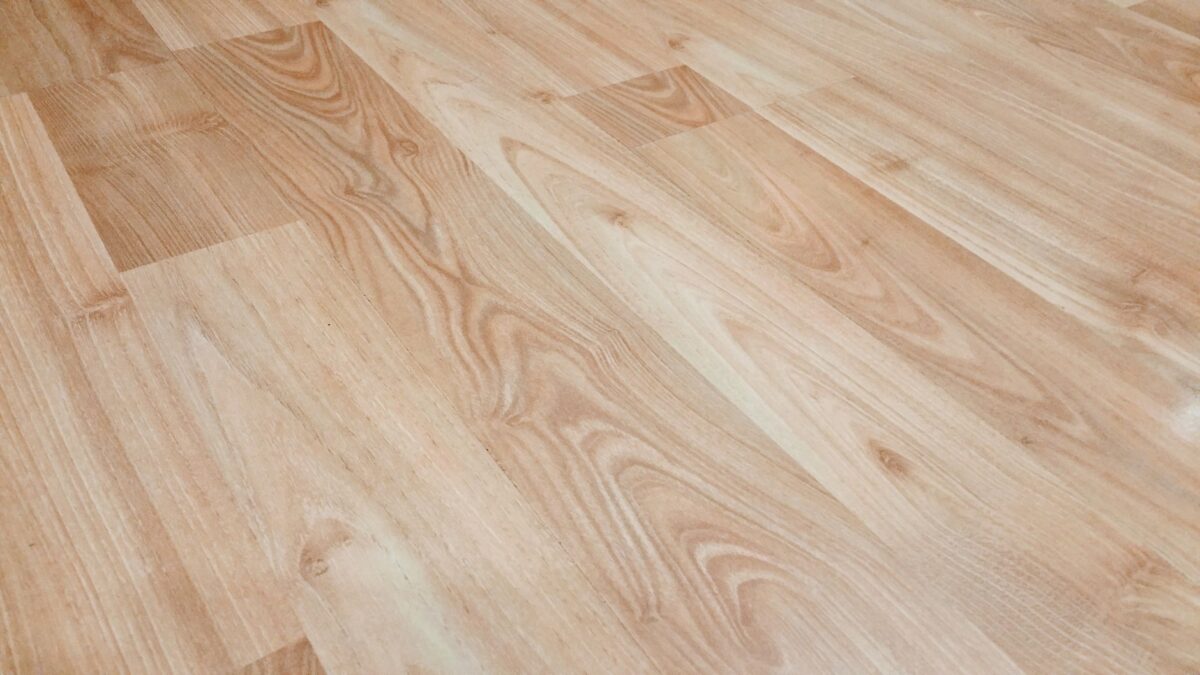
Clean luxury vinyl plank (LVP) and tile (LVT) by removing grit with a broom or a vacuum without a beater bar, then mopping with a pH-neutral cleaner on a microfiber pad and finishing with a plain-water rinse. Avoid abrasive powders and pads, wax, oil soap, vinegar where your maker prohibits it, and rubber-backed mats, which can permanently stain vinyl. Steam mops are excluded by many LVP warranties, so check yours before using one.
What makes vinyl plank different
LVP and LVT have a printed design layer protected by a clear wear layer, often with a factory-applied urethane coating. That top layer is what you’re protecting. It resists water well, which is why vinyl is popular in kitchens and bathrooms, but it can be:
- Scratched or dulled by grit, scouring powders and stiff brushes
- Stained by chemicals that migrate from rubber or latex mat backings
- Softened or warped by high heat, including steam and strong direct sun
- Clouded by residue from wax, oil soap and “mop and shine” products
Waterproof planks still have seams, and the subfloor underneath may not be waterproof, so avoid flooding the floor even when the planks can handle it.
What you need
- Soft broom, dust mop, or a vacuum with a hard-floor setting
- Microfiber flat mop and spare pads
- pH-neutral floor cleaner labeled for vinyl or resilient floors
- Bucket or spray bottle of clean water for rinsing
- Soft nylon brush for textured planks
Step-by-step routine cleaning
- Dry-clean. Sweep or vacuum to remove sand and grit. Turn the beater bar off; Shaw’s resilient care guidance advises avoiding vacuums with rotating beater bars on hard surfaces.
- Apply cleaner. Spray a neutral cleaner, diluted per the label, onto a manageable section or onto your mop pad.
- Mop. Work in sections with a damp microfiber pad. On embossed or textured planks, use a soft nylon brush to lift dirt from the grooves.
- Rinse. Go over the area with a pad dampened with clean water. Rinsing removes residue that would otherwise attract dirt and dull the surface.
- Let it dry before walking on it in socks, which can slip on damp vinyl.
Shaw’s resilient vinyl cleaning page follows the same order (dry clean, neutral cleaner, water rinse) and specifically says not to use vinegar, one-step cleaner/polishes or oil soaps on its resilient products. Other brands differ slightly, so look up your own.
With any cleaner, read the label, ventilate the room, and keep products in their original containers away from children and pets. If someone swallows, inhales or gets a cleaning product in the eyes, call Poison Control at 1-800-222-1222 (US) or emergency services.
What damages the wear layer
| Risk | What happens | Safer choice |
|---|---|---|
| Rubber- or latex-backed mats | Chemical reaction can leave yellow or brown stains that don’t clean off | Mats with a backing your flooring maker approves (often non-staining vinyl/PVC or woven backings) |
| Abrasive powders, steel wool, scrub pads | Scratches and dull patches | Microfiber and soft nylon brushes |
| Wax, polish, oil soap, “mop and shine” | Build-up, haze, slippery surface | Neutral cleaner plus water rinse |
| Steam mops | Heat can soften the surface, loosen adhesive and open seams | Damp mop; steam only if your warranty allows |
| Ammonia, bleach, harsh solvents | Can dull or discolor the finish | Products labeled for resilient floors |
| Dragging furniture, rolling chairs | Gouges and dents | Felt pads, chair mats suited to vinyl |
| Long hours of direct sun | Fading and, in some cases, expansion | Blinds or UV-filtering window film |
Can you use a steam mop on vinyl plank?
Many LVP care guides say no or “not recommended,” and some warranties exclude heat damage. A few manufacturer documents allow a residential steam mop on a low setting. Because the rules differ even within one brand’s product lines, find the care and warranty document for your exact floor before steaming. When in doubt, a damp microfiber mop does the job without the risk. Our comparison of steam mops by floor type goes into more detail.
Removing common stains
Scuff marks
Rub with a dry microfiber cloth or a clean tennis ball. A small amount of neutral cleaner on the cloth handles most of the rest.
Grease and food spills
Wipe with a few drops of dish soap in warm water, then rinse with plain water so no soap film remains.
Ink, marker, nail polish
Act fast. Follow your floor maker’s stain chart, which usually names a specific solvent. Apply it to a cloth rather than the floor, test in a hidden area, ventilate, and keep solvents away from flames. Rinse with water afterward.
Yellow or brown patches near doors
If the stain sits where a rubber-backed mat was, it’s likely a chemical stain within the vinyl and may not come out. Move the mat and contact the flooring maker; a damaged plank can usually be replaced.
Disinfecting vinyl floors
Cleaning removes dirt; disinfecting kills germs and is a separate step. If you need to disinfect (for example after illness), use an EPA-registered disinfectant labeled as safe for your floor type, follow the label’s contact time, and rinse afterward if the label says to. Never mix disinfectants with other cleaners, and never mix bleach with ammonia or acids.
Bottom line
Vinyl plank is low maintenance if you protect the wear layer: keep grit off it, use a neutral cleaner and rinse, and avoid abrasives, wax, rubber-backed mats and steam unless your floor’s paperwork approves them. Our guides to laminate and tile floors cover the other common hard floors.
FAQ
What is the best homemade cleaner for LVP?
A few drops of mild dish soap in a bucket of warm water, followed by a plain-water rinse, is a safe budget option for most vinyl. Skip vinegar if your floor’s maker says not to use it.
Can I use a robot mop on vinyl plank?
Usually yes, since vinyl tolerates light moisture. Use the cleaning solution the robot maker recommends and keep the water setting low so it doesn’t pool at seams.
Why does my vinyl floor look dull?
Often it’s residue from soap or “shine” products. Mop with a neutral cleaner, then rinse well with clean water. Persistent dullness in traffic lanes may be wear-layer scratching from grit.
Are vinyl floors and LVT cleaned differently?
No. LVP (planks) and LVT (tiles) share the same construction and care. Sheet vinyl is similar too, though its care guide may differ on specific products.