Vacuum for Pet Hair: Features That Matter in Uprights, Cordless and Robots
The best vacuum for pet hair has strong suction, a tangle-resistant brush roll and a sealed filter. Compare upright, cordless and robot models here.
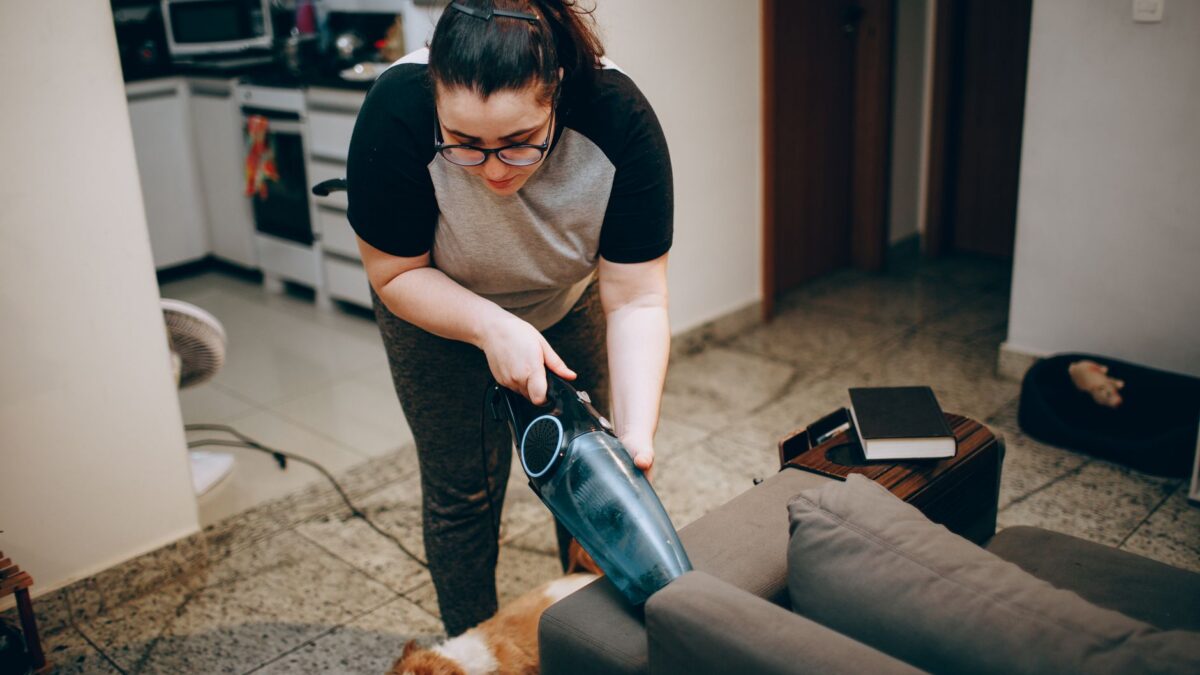
A good vacuum for pet hair has steady suction, a brush roll that resists or cuts tangled hair, a sealed filtration system with a HEPA filter, and a bin you can empty without touching the contents. Upright vacuums are usually the strongest choice for homes with lots of carpet and heavy shedders. Cordless stick vacuums suit quick daily pickups, and robot vacuums keep hair from building up between full cleanings, but few homes with a heavy shedder manage with a robot alone.
Which features matter most for pet hair?
Pet hair puts more strain on the brush roll and filter than ordinary dust does, so those two parts deserve the closest look. Check these before price or extras:
- A brush roll with rubber fins, a combination of bristles and fins, or a built-in comb or cutter that keeps long hair from wrapping around it.
- Suction that stays steady as the bin fills. Bagless models with good cyclonic separation lose less power than models whose filter clogs quickly.
- A sealed system with a HEPA filter, so dander goes into the filter and stays out of the exhaust air.
- A motorized mini tool for upholstery, pet beds and stairs. Hair clings to fabric, and a plain upholstery nozzle often leaves it behind.
- A large bin or bag, since one heavy shedder can fill a small bin in a single room.
- A brush roll you can remove without tools, which makes cutting out hair much easier.
For a broader look at vacuum types and specs, see the guide on how to choose a vacuum cleaner.
Is an upright vacuum better for pet hair?
An upright vacuum is usually the most effective option for wall-to-wall carpet and medium or long pile, because its wide motorized head and corded power keep suction constant for a whole-house clean. Hair works its way deep into carpet fibers, and an upright’s agitation pulls it back up.
Look for a height adjustment so the head sits correctly on both rugs and hard floors, and a brush roll on/off switch so the vacuum does not scatter hair across bare floors. Uprights are heavy and awkward on stairs, which is where a hose with a motorized tool earns its place. Bagged uprights keep hair and dander sealed in the bag at emptying time, which helps if anyone in the home has allergies.
Can a cordless stick vacuum handle pet hair?
A cordless stick vacuum handles pet hair well on hard floors, low-pile rugs, furniture and cars. Most cordless models struggle to clean a large carpeted house on one charge, especially on their highest power setting, which drains the battery fastest.
What to check on a cordless model:
- Run time on the standard power setting, which matters more than the time on the eco setting.
- A swappable battery if you plan to clean more than a few rooms at once.
- An anti-tangle brush head and a mini motorized tool in the box.
- A filter you can rinse or replace easily. Fine dander clogs cordless filters faster than ordinary dust.
Pet hair also chokes small filters, so cleaning them on schedule keeps suction up. The steps for cleaning a Dyson or other cordless vacuum filter apply to most stick models.
Do robot vacuums work for pet hair?
Robot vacuums work well as daily maintenance for pet hair, picking up loose fur before it gathers into tumbleweeds along walls and under furniture. They do not replace a deep clean of carpets, stairs and upholstery.
The features that matter most on a robot for pet owners:
- Rubber rollers instead of bristle brushes, since they tangle less.
- A self-emptying dock, because a robot’s small bin fills fast in a home with a shedding dog or cat.
- Obstacle detection that recognizes cords, socks and pet waste. A robot that runs over an accident spreads it across the floor.
- Scheduling and no-go zones so the robot can avoid feeding stations and litter areas.
The comparison of robot and cordless vacuums goes through which type suits which home, and the guide on cleaning a robot vacuum covers removing hair from rollers, side brushes and sensors.
Does a HEPA filter help with pet allergies?
A HEPA filter helps with pet allergies only when the vacuum’s housing is sealed, because dander escapes through gaps around a filter in an unsealed machine. Pet dander is made of tiny skin flakes that stay in the air and settle on fabric, and a sealed HEPA vacuum traps far more of it than a basic filter.
Other steps that reduce allergens: empty the bin outdoors or into a bag held close to the bin, wash pet bedding often, and vacuum upholstery as well as floors. The Environmental Protection Agency has more guidance on reducing allergens in indoor air.
What maintenance does a vacuum need in a pet home?
A vacuum in a home with pets needs its brush roll cleared of hair, its bin emptied after each use, and its filters cleaned or replaced more often than the manual’s minimum. Hair wrapped around the brush roll strains the motor and the belt and cuts pickup on carpet.
- Unplug the vacuum or remove the battery before handling the brush roll.
- Cut wrapped hair with scissors or a seam ripper along the roll’s groove, then pull it free.
- Check the hose and the head’s intake for clumps of fur that block airflow.
- Rinse washable filters in plain water and let them dry fully, for at least 24 hours, before refitting them.
- Replace non-washable filters as the manufacturer directs.
Regular care also helps a vacuum last. The guide on how long vacuums last explains when repair stops making sense.
Quick answers
Is bagged or bagless better for pet hair?
Bagged vacuums hold more and keep dander sealed at emptying time, which suits allergy sufferers. Bagless vacuums avoid the cost of bags but release some dust as the bin is emptied.
How often should you vacuum with a shedding pet?
Many pet owners vacuum high-traffic areas every day or two during shedding season and do a full clean once or twice a week. A robot on a daily schedule makes the gaps between full cleans easier.
Can you use a wet-dry vacuum for pet hair?
A wet-dry vacuum picks up hair and pet accidents on hard floors and in garages, but it is bulky and has no fine brush head for carpet. The guide to whether a wet-dry vacuum is worth it compares it with hard-floor washers.
Why does my vacuum leave pet hair behind on carpet?
A vacuum usually leaves hair behind because the brush roll is tangled, the height setting is too high, or the filter or hose is clogged. Clear the brush roll and check the airflow path first.