How to Clean Baseboards Fast (and Keep Them Clean Longer)
Baseboards collect dust, scuffs and pet hair, and they're easy to forget. Here is a quick routine that doesn't need any special products.
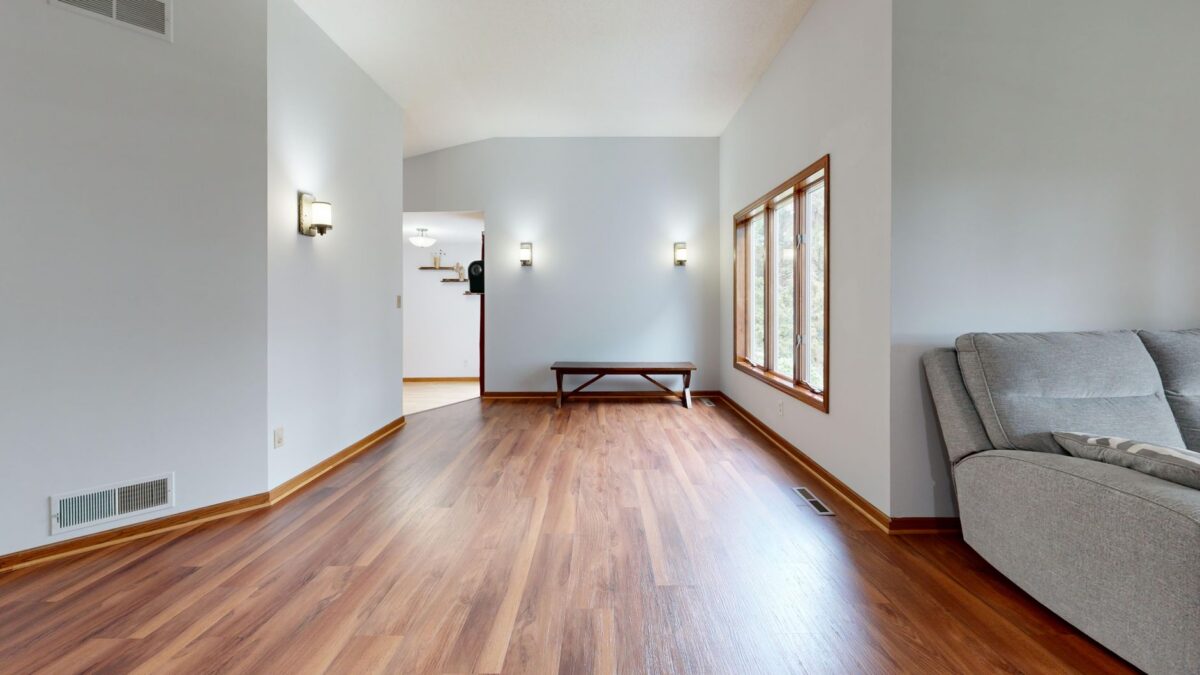
To clean baseboards, remove the dust first with a vacuum brush attachment or a dry microfiber cloth, then wipe with a cloth dampened in warm water and a drop of dish soap, and dry right away. Most baseboards are painted with semi-gloss or satin paint, which handles gentle wiping well; matte or flat paint and bare or oiled wood need a lighter touch. Use melamine “magic” sponges sparingly, since they are mildly abrasive and can dull paint.
Why dust first
Wiping a dusty baseboard with a wet cloth turns the dust into gray paste that smears into corners and the gap above the floor. A dry pass removes most of the dirt in seconds, and you’ll use less water and cleaner afterward.
What you need
- Vacuum with a soft dusting brush and crevice tool
- Two microfiber cloths (one damp, one dry)
- Small bowl of warm water with a drop of mild dish soap
- Old soft toothbrush for corners and carved trim
- Optional: a flat mop or long-handled duster so you don’t have to kneel
- Optional: a melamine sponge for occasional scuffs (see caution below)
Step-by-step: the 10-minute baseboard routine
- Vacuum the floor along the wall so loose debris doesn’t get pushed back onto the trim.
- Dust the baseboard with the vacuum brush, running it along the top edge, face and the gap at the floor. Use the crevice tool in corners.
- Wipe with soapy water. Wring the cloth until it’s just damp. Wipe the top ledge first, then the face, working in arm-length sections.
- Get the details. Use the toothbrush on corners, profiled edges and where trim meets door casings.
- Rinse if needed. If the soap leaves a film, wipe once with a cloth dampened in plain water.
- Dry immediately. Moisture left on painted MDF or wood can raise the grain or soften joints.
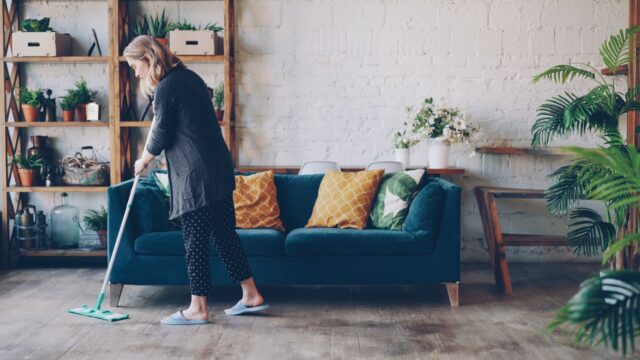
A flat microfiber mop with a clean, damp pad works well for long runs if you’d rather stand. Press lightly and go slowly along the top edge.
Baseboard types and what they tolerate
| Baseboard finish | Safe cleaning | Be careful with |
|---|---|---|
| Semi-gloss or gloss paint | Warm water and dish soap; occasional all-purpose cleaner per label | Hard scrubbing; abrasive powders |
| Satin or eggshell paint | Warm water and dish soap, gentle wiping | Melamine sponges; rubbing one spot |
| Flat or matte paint | Dry dusting; barely damp cloth; light pressure | Melamine sponges and scrubbing, which can burnish or remove paint |
| Stained and sealed wood | Dry dusting; damp cloth with mild soap; dry quickly | Excess water; harsh cleaners that dull the finish |
| Unsealed, oiled or waxed wood | Dry dusting; products made for that finish | Water and all-purpose sprays |
| Vinyl or rubber cove base | Warm water and mild soap | Solvents that can soften vinyl |
About magic erasers and melamine sponges
Melamine foam sponges work by acting as a very fine abrasive. That’s why they lift scuffs so well, and also why they can wear down paint. On matte, flat and some eggshell finishes, they can leave shiny or patchy spots where the surface has been polished smooth. On glossy paint, heavy rubbing can dull the sheen.
- Try a damp microfiber cloth and soapy water first.
- If you need a melamine sponge, test it in an inconspicuous spot, such as behind a door.
- Wet it, squeeze it out, and use light pressure on just the mark.
- Wipe the area afterward with a damp cloth to remove residue.
Paint makers make the same point about sheen: Benjamin Moore’s cleaning advice notes that flat, matte and eggshell finishes need a gentler touch than satin or semi-gloss. For more on paint finishes and what they tolerate, see our guide to cleaning walls.
Removing common marks
Black scuffs from shoes and vacuums
Rub with a dry microfiber cloth or a clean pencil eraser. If it remains, a little dish soap on a damp cloth usually works.
Pet hair and lint lines
Run a slightly damp rubber glove or a lint roller along the edge, then vacuum.
Sticky residue or grease (kitchen baseboards)
Use warm water with a bit more dish soap, let it sit for a minute, wipe and rinse. Kitchen baseboards near the stove often need this monthly.
Mildew spots in bathrooms
Wipe with soapy water and dry. If spots return, improve ventilation and see our guide to cleaning the bathroom exhaust fan. If you use a mildew cleaner, follow the label, ventilate, and never mix it with other cleaners, especially bleach with ammonia or acids.
For any store-bought cleaner, test on a hidden area, keep it in the original bottle and store it out of reach of children and pets. If someone swallows, inhales or gets a cleaning product in the eyes, call Poison Control at 1-800-222-1222 (US) or emergency services.
Keeping baseboards clean longer
- Vacuum along the wall edges every time you vacuum the floor.
- Use a bumper guard on your vacuum or robot vacuum to reduce scuffs.
- Wipe the top ledge with a dry cloth or duster every couple of weeks; that’s where dust settles first.
- Some people rub a dryer sheet over clean baseboards to reduce dust cling; if you try it, test first and know it may leave a residue on some finishes.
- Touch up chipped paint; damaged spots collect dirt faster.
How often to clean
| Task | Frequency |
|---|---|
| Dry dust or vacuum edges | Every 1–2 weeks |
| Damp wipe | Monthly in kitchens, bathrooms and entries; every 2–3 months elsewhere |
| Spot-clean scuffs | As they appear |
If you’re building a household routine, our weekly cleaning schedule shows where baseboards fit in.
Bottom line
Dust first, then wipe with warm water and a drop of dish soap and dry. Match your pressure to the paint finish, keep melamine sponges for occasional stubborn scuffs, and test anything new in a hidden spot.
FAQ
What’s the easiest way to clean baseboards without bending?
Use a vacuum with a dusting brush on an extension wand, then a flat microfiber mop with a damp pad for the wipe-down.
Can I use vinegar on baseboards?
It isn’t necessary. Dish soap and water handle normal dirt. Avoid vinegar on waxed or oiled wood, and never combine it with bleach.
Why are my baseboards yellowing?
Oil-based paints can yellow with age, especially in low light. Cleaning won’t reverse that; repainting will. Nicotine and cooking grease can also cause yellow film, which soapy water may lift.
Do I need to remove furniture to clean baseboards?
Not every time. Do accessible runs regularly, and pull furniture out for a deeper clean a few times a year.