How to Clean Carpet on Stairs (Safely and Without Hauling a Vacuum)
Stair carpet gets the heaviest wear in the house and the least cleaning because it's awkward. The right tools and order of work make it a 15-minute job.
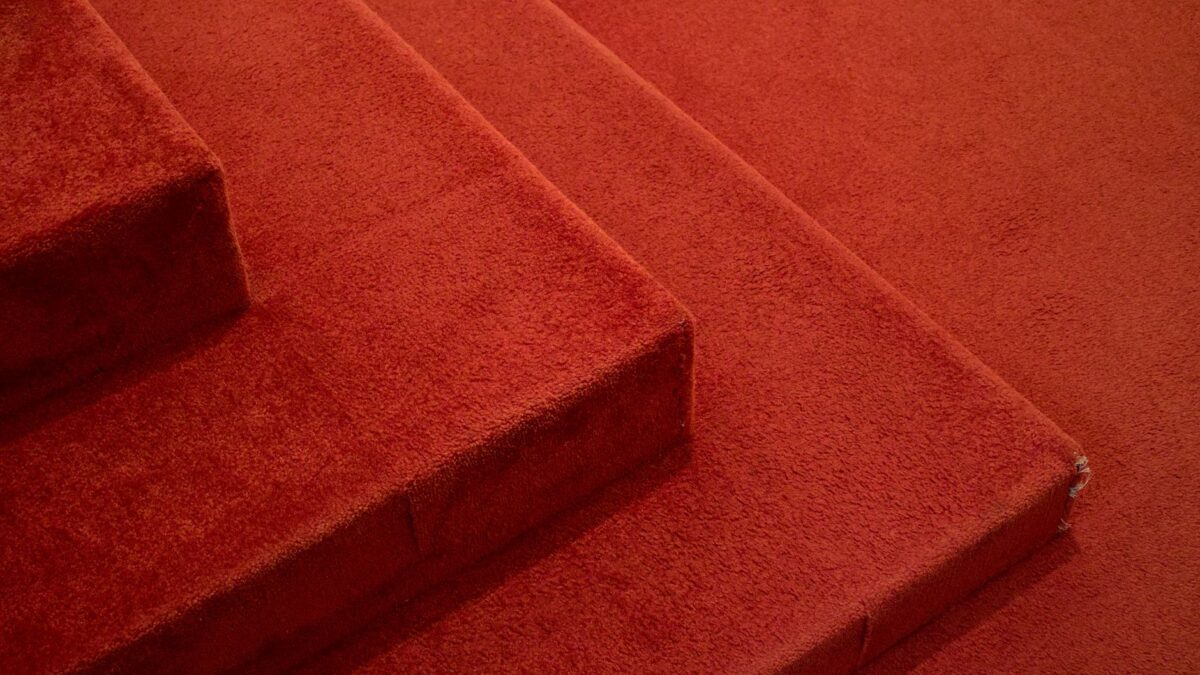
To clean carpeted stairs, vacuum each step from the top down with a handheld vacuum or your vacuum’s hose, using a crevice tool along the back edge and an upholstery or motorized brush on the tread and riser. Spot-clean stains with a mild soap solution, blotting rather than rubbing, and keep moisture low so steps don’t stay wet and slippery. If you use a carpet cleaner, keep the machine at the bottom of the stairs or on the floor and use only its hand tool; manufacturer manuals warn against placing the machine on stairs.
Why stair carpet needs extra attention
Every trip up and down puts weight and grinding pressure on the same small strip of carpet at the edge of each step (the nosing). Grit trapped there cuts fibers and makes stairs look worn and dull long before the rest of the carpet. Frequent vacuuming is the single best thing you can do to make stair carpet last.
What you need
- Cordless handheld vacuum, stick vacuum in handheld mode, or a full-size vacuum with a long hose
- Crevice tool and a small motorized pet tool or upholstery brush
- Stiff hand brush or rubber brush for pet hair
- White cloths, spray bottle, clear dish soap
- A small bucket or caddy to carry supplies
- Optional: a carpet cleaner with an upholstery/stair hand tool
Step-by-step: vacuuming stairs
- Clear the stairs of shoes, toys and anything you could trip on.
- Start at the top. Gravity pulls loose dirt downward, so working top to bottom keeps you from re-dirtying steps you’ve cleaned.
- Loosen debris. Brush each tread toward the back corner with a stiff brush. A rubber brush or damp rubber glove pulls up pet hair well.
- Crevice first. Run the crevice tool along the back of the tread and the edges where the carpet meets the wall or spindles.
- Brush tool second. Vacuum the tread with slow overlapping strokes, then the riser (vertical part), then the nosing.
- Move down one step and repeat. Keep the vacuum body on a step above you or on the landing, never balanced on the edge of a stair.
A cordless handheld makes stairs far easier, as there’s no cord to trip on and nothing heavy to balance. If you use a corded vacuum, keep the cord behind you and away from your feet.
Safety on stairs
- Place the vacuum on the landing or a step above where you’re working and keep a hand free for the railing.
- Don’t stand on wet or freshly cleaned steps, and keep children and pets off until they’re dry.
- Wear shoes or socks with grip, not slippery socks.
- For carpet cleaning machines, manuals from major makers state not to place the cleaner on stairs; keep it at the bottom of the stairs or on the floor and use the hose and hand tool.
- Some upright cleaners keep their brush roll spinning while you use the hose. Don’t tip them or set them on stairs or furniture during tool use, and unplug before attaching tools if the manual says so.
- Manuals for some carpet cleaners recommend cleaning stairs from the bottom up with the hand tool, so the hose reaches and you aren’t kneeling on wet steps. Follow your machine’s manual.
Spot-cleaning stair carpet
- Test first on a hidden part of a step, like the underside of a nosing or the side of a tread.
- Mix a weak solution: a small squeeze of clear dish soap in a spray bottle of warm water.
- Mist lightly and blot from the outside of the stain inward with a white cloth.
- Rinse with a light mist of plain water and blot again until no soap comes up.
- Press out moisture with a dry towel and point a fan at the step.
Soap left in the carpet attracts dirt, which is why stair spots often reappear darker. Rinsing fixes that. For specific stains, our guides to coffee stains and pet urine apply here too.
If you use a commercial carpet spot cleaner, follow the label, ventilate the stairwell, spot-test, and don’t mix products. Never combine bleach with ammonia, vinegar or other cleaners. If someone swallows, inhales or gets a cleaning product in the eyes, call Poison Control at 1-800-222-1222 (US) or emergency services.
Deep cleaning stairs with a carpet cleaner
- Vacuum all steps first.
- Fill the machine with the solution and dilution its maker specifies.
- Leave the machine at the bottom of the stairs or on the floor, never on a step.
- Use the hand tool on each tread and riser, pressing down while spraying, then making slow “dry” passes to extract water.
- Do extra dry passes. Stairs are the place to underwet; damp steps are a slip hazard.
- Open windows, run fans, and keep everyone off until dry.
Whether to buy or rent a machine for this depends on how often you’ll use it. Our comparison, carpet cleaner vs renting, walks through the trade-offs. If you clean carpet only occasionally, our guide to cleaning carpet without a machine shows the hand method in detail.
Tools compared
| Tool | Pros | Cons |
|---|---|---|
| Cordless handheld | Light, no cord, quick daily touch-ups | Small bin; battery runtime may not cover a long staircase |
| Stick vacuum in handheld mode | Same machine for floors and stairs | Heavier in the hand than a dedicated handheld |
| Full-size vacuum with hose | Strong suction, large capacity | Hose length limits reach; body must sit safely on a landing |
| Canister vacuum | Long hose, body can sit on a step above | Bulkier to carry |
| Carpet cleaner hand tool | Deep cleaning and stain removal | Machine stays at the bottom; slower; requires drying time |
How often to clean stair carpet
- Vacuum: weekly, or twice a week with pets or busy households.
- Spot-clean: as soon as spills happen.
- Deep clean: once or twice a year, or as your carpet warranty specifies.
Bottom line
Vacuum stairs top to bottom with a handheld or hose tool, starting with the crevice tool at the back of each step. Spot-clean with a weak soap solution and rinse. Keep any machine off the steps, use minimal moisture, and let stairs dry before anyone walks on them.
FAQ
What’s the easiest way to vacuum stairs?
A cordless handheld vacuum with a motorized brush is usually easiest, since there’s no cord or heavy body to manage. Brushing debris to the back of each step first speeds things up.
Can I use a robot vacuum on stairs?
No. Robot vacuums use cliff sensors to avoid falling down stairs; they don’t climb or clean them.
How do I get pet hair off carpeted stairs?
Use a rubber brush or damp rubber glove to pull hair into clumps, then vacuum with a motorized pet tool.
Why are the edges of my stairs wearing out?
The nosing takes the most foot pressure and grit. Vacuuming more often and using a mat at the bottom of the stairs can slow wear, but worn nosing fibers can’t be restored by cleaning.