How to Clean Mold Off Wood: Furniture, Trim and Unfinished Wood
Mold on finished wood usually wipes off. On raw wood it can sink into the grain. Here's how to tell the difference and clean each safely.
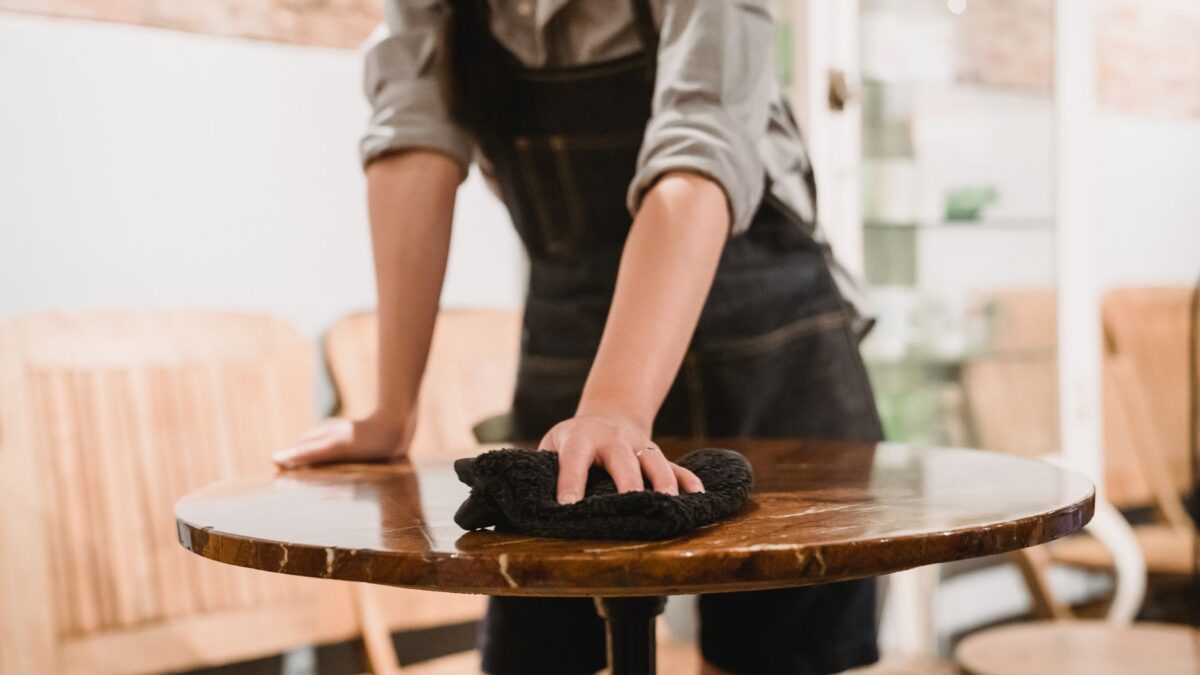
On sealed or painted wood, such as finished furniture, cabinets and trim, mold usually sits on the surface. Wipe it off with dish detergent and water, then dry the wood completely. On unfinished wood, mold can grow into the grain. Scrub it, let it dry, and lightly sand any stain that remains, wearing an N95 mask. Wood that’s soft, crumbling or rotting, or structural wood with widespread growth, needs replacing or a professional. Never mix bleach with vinegar, ammonia or other cleaners.
Sealed vs. unfinished wood
| Wood type | Examples | Approach |
|---|---|---|
| Sealed or finished (varnish, polyurethane, lacquer, paint) | Dining tables, dressers, cabinets, doors, trim | Gentle detergent wipe, dry, then check the finish |
| Oiled or waxed | Some antiques, butcher block, oiled furniture | Mild detergent, minimal water. Avoid vinegar on waxed finishes. Re-oil or re-wax after. |
| Unfinished or raw | Framing studs, attic sheathing, shelving, crates, the backs of furniture | Scrub, dry, sand remaining stains, then seal if suitable |
| Damaged (soft, punky, crumbling) | Water-damaged subfloor, rotted sills | Replace |
To check for rot, press the tip of a screwdriver into the wood. If it sinks in easily or the wood flakes apart, cleaning won’t fix it.
What you need
- Dish detergent and warm water
- Soft cloths, a soft brush, and a stiffer brush for raw wood
- Gloves, goggles without vent holes and an N95 respirator
- Fine sandpaper (for unfinished wood only)
- A vacuum with a HEPA filter, if you have one
- Fans or a dehumidifier for drying
How to clean mold off finished wood furniture
- Take it outside if you can. This keeps spores out of the house. If not, open windows and work in a ventilated room.
- Put on gloves, goggles and an N95.
- Vacuum loose growth with a brush attachment, then empty the vacuum outside.
- Wipe with a soft cloth dampened in detergent and water. Wring it out well. Water sitting on wood can raise the grain or leave white marks.
- Wipe again with a cloth dampened in plain water, then dry immediately with a towel.
- Let it air-dry fully, ideally in a dry, breezy spot out of direct sun, which can fade or crack finishes.
- Restore the finish if it looks dull, using the polish or wax suited to that finish.
- Check drawers and backs. Unfinished interiors and back panels are where mold often hides.
How to clean mold off unfinished wood
- Wear gloves, goggles and an N95, and ventilate.
- Vacuum loose growth with a HEPA vacuum if you have one.
- Scrub with detergent and water using a stiffer brush, working with the grain.
- Dry thoroughly with fans or a dehumidifier. The EPA advises drying water-damaged materials within 24 to 48 hours.
- If staining remains after the wood is completely dry, sand lightly to remove the surface layer. Wear your N95, since sanding throws up dust and spores. Vacuum the dust afterward.
- Once clean and dry, you can seal raw shelving or furniture with a suitable finish to make future cleaning easier.
Bleach, vinegar and other products
The EPA does not recommend bleach as a routine part of mold cleanup, and it’s a poor fit for wood. It can lighten or blotch the color, and it doesn’t reach growth deep in raw wood. Detergent and water, drying and sanding do the real work.
If you use a commercial mold or mildew product, choose one whose label lists wood, follow the directions and contact time, test on a hidden spot first, and ventilate. Some people use diluted white vinegar on unfinished wood. Avoid it on waxed finishes and test it first.
Use one product at a time. Never mix bleach with vinegar, ammonia or other cleaners, and never apply one right after the other without rinsing with water and letting the surface dry. Our list of cleaning products you should never mix explains why.
If someone swallows, inhales or gets a cleaning product in the eyes, call Poison Control at 1-800-222-1222 (US) or emergency services.
When wood has to go
- It’s soft, crumbling, or shows rot when probed.
- The mold returns in the same spots after cleaning and drying.
- It’s particleboard or MDF that has swollen. These absorb water and rarely recover.
- It’s upholstered furniture with mold in the padding.
- Structural wood such as studs, joists or subfloor has widespread growth, or the moldy area is more than about 10 square feet. Call a professional.
- It got soaked in floodwater or sewage.
For floors, follow your flooring maker’s care instructions. See how to clean hardwood floors.
Prevent it coming back
- Keep indoor humidity below 60%, ideally 30% to 50%, as the EPA recommends.
- Leave a few inches between furniture and cold exterior walls.
- Don’t store wood furniture in damp basements, garages or storage units without climate control.
- Fix leaks quickly and dry spills right away.
Not sure what you’re dealing with? Read black mold vs. mildew, or for painted surfaces, mold on walls.
Bottom line
On finished wood, wipe with detergent and water, dry quickly, and refresh the finish. On raw wood, scrub, dry fully and sand out remaining stains while wearing an N95. Skip bleach on wood and never combine products. Rotting, swollen or structural wood with widespread growth needs replacing or a professional.
FAQ
Can mold be completely removed from wood?
From sealed surfaces, usually yes. From raw wood, cleaning and light sanding often work. Deeply stained or rotting wood may need replacing.
Is it safe to keep furniture that had mold?
Solid, finished wood that cleans up well and stays dry is usually fine to keep. Upholstered or swollen pieces often aren’t worth saving.
Will sanding spread mold spores?
It can. Sand outdoors or in a ventilated room, wear an N95 and vacuum the dust afterward.
Can I paint over mold on wood?
No. The EPA advises against painting over mold. Clean, dry and then paint or seal.