How to Clean Car Wheels and Tires: Brake Dust, Wheel Finishes and Tire Dressing
Brake dust is gritty and sticky, but the wrong cleaner can stain a wheel faster than dirt ever will. Match the product to the finish and keep dressing off the tread.
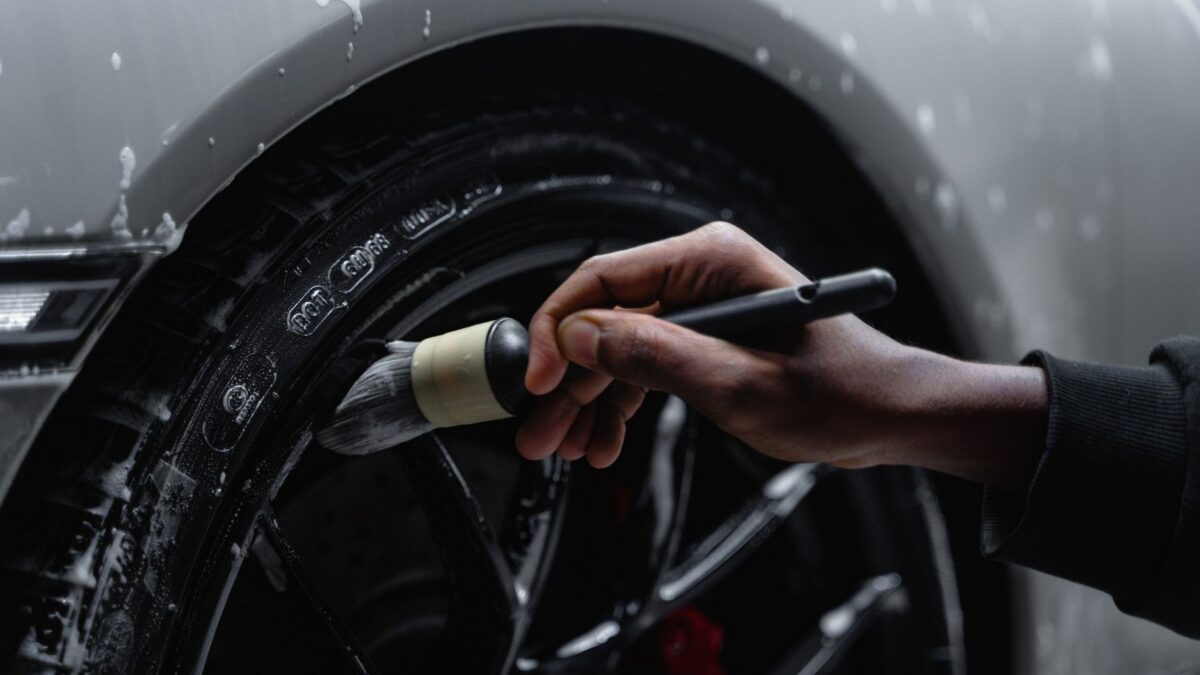
Clean wheels and tires first, before the paint, while the wheels are cool and out of direct sun. For most wheels, a pH-balanced wheel cleaner or car shampoo, soft brushes and a separate bucket are enough; save stronger cleaners for heavy buildup and only if the label says they suit your wheel finish. Avoid acid-based wheel cleaners unless you know exactly what your wheels are made of, and put tire dressing on the sidewalls only, never the tread.
Wheels collect the dirtiest mix on the car: brake dust (fine metal and pad particles), road grime, tar and, in winter, salt. Here is how to deal with it without scratching or staining the finish.
What you need
- A dedicated wheel bucket (separate from your paint-wash buckets)
- A wheel cleaner labeled safe for your wheel finish, or car wash shampoo for light dirt
- A soft wheel-face brush or wash mitt kept only for wheels
- A long, soft barrel brush for the inner rim and a small detail brush for lug nuts
- A stiff tire brush and a tire cleaner or diluted all-purpose cleaner
- Microfiber towels you don’t use on paint
- Water-based tire dressing (optional) and an applicator pad
- Gloves and eye protection, especially with any strong cleaner
Know your wheel finish first
The finish decides what you can use. Your owner’s manual or the wheel maker’s care sheet is the best guide; when in doubt, treat the wheel as the most delicate type and use the mildest option.
| Finish | How to recognize it | Safer approach | Avoid |
|---|---|---|---|
| Painted or clear-coated alloy (most factory wheels) | Glossy, painted look; feels smooth like car paint | pH-balanced wheel cleaner or car shampoo, soft brush | Acid cleaners, abrasive pads, metal polish |
| Chrome-plated | Mirror-like, reflective | pH-balanced cleaner, soft mitt, dry to prevent spots | Abrasive cleaners, steel wool, strong acids |
| Polished, uncoated aluminum | Bright but can look slightly hazy or dull over time; no clear layer | Mild soap, then a polish made for bare aluminum | Acidic and strongly alkaline cleaners, which can stain or haze bare metal |
| Matte or satin | No shine at all | Mild cleaner, gentle wipe | Waxes, polishes, glossy sealants (they change the look) |
| Steel wheels with hubcaps | Plastic cover over a plain steel wheel | Remove caps and wash separately; all-purpose cleaner on the steel | Harsh solvents on plastic caps |
Why acid wheel cleaners are risky
Some heavy-duty and professional wheel cleaners use strong acids to dissolve baked-on brake dust quickly. They can etch bare aluminum, dull chrome, damage clear coat if left too long, and harm brake parts and painted calipers. Some of these acids are also hazardous to skin and lungs. For home use, a pH-balanced or “acid-free” wheel cleaner is the safer choice. If you do use a stronger product, read the full label, wear the protective gear it lists, never let it dry, and rinse thoroughly.
Never mix wheel cleaners with each other or with household products such as bleach. If a cleaner isn’t working, rinse the wheel completely with water before trying something else. Our guide to cleaning products you should never mix explains why.
How to clean wheels and tires, step by step
- Let the wheels cool. After driving, brakes and rims can be hot enough to make cleaner dry instantly and leave stains. Wait until they are cool to the touch, and work in shade.
- Work one wheel at a time. That way no product sits and dries while you finish the others.
- Rinse first. A firm hose spray knocks off loose grit so you aren’t scrubbing it into the finish.
- Clean the tire. Spray tire cleaner or diluted all-purpose cleaner on the rubber and scrub with the stiff tire brush. Brown foam is old dressing and oxidized rubber coming off; repeat until the foam is mostly white. Rinse.
- Apply wheel cleaner. Spray the face, spokes and inner barrel. Leave it only for the time on the label.
- Agitate. Use the soft face brush on the spokes, the barrel brush behind them, and the detail brush around lug nuts and the valve stem.
- Rinse thoroughly, including the inner barrel and the brake area.
- Dry with a dedicated microfiber towel, especially chrome and polished wheels that spot easily.
- Move on to the next wheel, then wash the rest of the car with clean mitts and fresh water. Our guide to washing a car at home covers the two-bucket method.
Tire dressing: sidewalls only
Tire dressing makes rubber look dark and even. It is cosmetic, so it’s optional. If you use it:
- Apply to the sidewall only. Dressing on the tread can reduce grip, which matters most when braking and cornering. Motorcycle tires need extra care: keep dressing completely off the tread.
- Use an applicator pad rather than spraying directly, so it doesn’t land on brakes, wheels or paint.
- Choose a water-based, satin finish if you dislike sling (dressing flung onto paint as you drive). Wipe off any excess with a towel before driving.
- Let it set for the time the label suggests before driving.
How often to clean wheels
Every regular wash is a good habit. Brake dust can bake on and become harder to remove if left for weeks, especially on cars with high-dust brake pads. In winter, rinse salt off wheels and the wheel wells more often. A coat of wheel sealant or a wax that the maker says suits your finish can make future cleaning easier; skip it on matte wheels unless the product is made for matte.
Wheel cleaning is also a good moment to look at the tires themselves: check for uneven wear, bulges or embedded objects, and check pressure against the placard in the driver’s door jamb. NHTSA’s tire safety page explains what to look for.
Safety notes
- Follow the label on every cleaner and dressing, wear gloves where it says, and keep products in their original containers, away from children and pets.
- Don’t spray cleaners onto hot brake rotors or let them pool on calipers.
- Never crawl under a car supported only by a jack. If you remove wheels for a deep clean, use proper stands and follow your manual’s torque specification when refitting.
If someone swallows, inhales or gets a cleaning product in the eyes, call Poison Control at 1-800-222-1222 (US) or emergency services.
Bottom line
Start with a cool wheel, the mildest cleaner that works and separate brushes and towels. Know your wheel finish before reaching for anything strong, skip acid cleaners at home, and keep tire dressing on the sidewalls where it belongs.
FAQ
Can I use dish soap on wheels?
For an occasional wheel clean it will lift grime, but it also strips any wax or sealant you’ve applied. A car shampoo or pH-balanced wheel cleaner is a better routine choice.
Why does my tire cleaner foam turn brown?
That’s old dressing, road film and oxidized rubber coming off. Keep scrubbing and rinsing until the foam is close to white; dressing then goes on more evenly.
Is it safe to use a pressure washer on wheels?
A pressure washer used at a safe distance with a wide fan tip can help rinse wheels, but don’t blast the valve stems, tire sidewalls or brake components at close range. Never point it at people or skin; the high-pressure jet can cause serious injection injuries.
How do I remove tar from wheels?
Use a tar remover labeled safe for your wheel finish, let it soften the spot, wipe gently and then wash and rinse the wheel. Test on a small area first.