How to Clean Carpet Without a Machine
You don't need a carpet cleaner for most carpet problems. A good vacuuming, a simple soap solution and patient blotting go a long way.
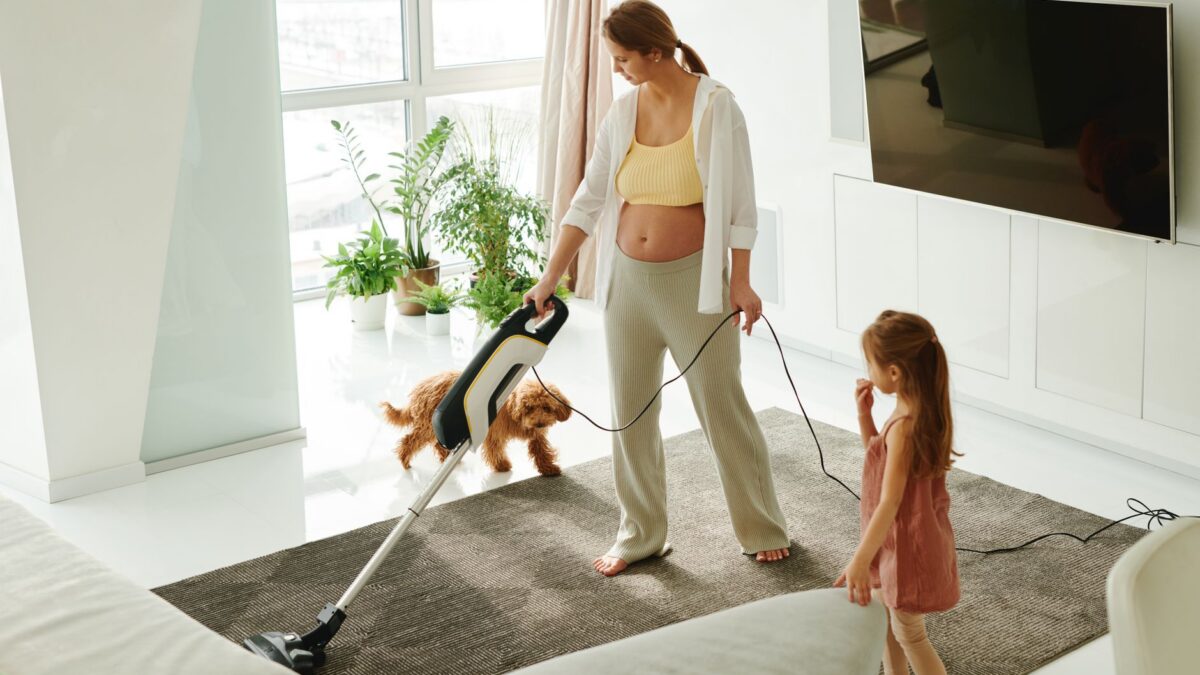
To clean carpet without a machine, vacuum thoroughly first, then treat dirty areas with a mild solution of a little clear dish soap in warm water, working it in with a cloth, rinsing with plain water and blotting until no soap remains. Use as little liquid as possible and dry the area quickly with fans so the backing and pad don’t stay wet. Sprinkle baking soda and vacuum it up later for light odors.
Start with a slow, thorough vacuum
Most of the dirt in carpet is dry soil that a vacuum removes. Shampooing over grit just turns it into mud. Before any wet cleaning:
- Vacuum slowly, in overlapping passes, in two directions (north-south, then east-west).
- Set the vacuum height so the brush touches the pile without bogging down.
- Empty the bin or change the bag when it’s half to two-thirds full; suction drops as it fills.
- Use the crevice tool along baseboards, where dust lines often form.
What you need
- Vacuum
- Clear, unscented dish soap (no bleach, no moisturizers)
- Two spray bottles: one for soap solution, one for plain water
- Plenty of white cloths or white paper towels
- Soft brush (an old toothbrush works for small spots)
- Baking soda
- A fan, and a heavy book or a few towels for blotting
Rinse-and-blot method for dirty areas
- Test first. In a closet or under furniture, dab the soap solution on, wait 10 minutes, then blot with a white cloth. If color comes off on the cloth or the fibers change, stop and call a professional.
- Mix a weak solution. A small squeeze of dish soap in a spray bottle of warm water is enough. Too much soap leaves a sticky residue that attracts dirt.
- Mist, don’t soak. Lightly spray the area. You want the surface fibers damp, not the backing.
- Work it in gently. Use a cloth or soft brush, working from the outer edge toward the center so you don’t spread the spot.
- Blot. Press a clean white cloth into the area. Turn to a dry section and repeat. Don’t rub, which frays the fibers and spreads stains.
- Rinse. Mist with plain water and blot again. Repeat until the cloth comes up without suds. This step is the one most people skip, and it’s why spots come back.
- Press out moisture. Lay a thick stack of paper towels or a folded towel on the area and put a heavy book on top for a few minutes.
- Dry fast. Aim a fan at the area and open a window. Once dry, brush the pile upright and vacuum.
University extension stain guides, such as University of Illinois Extension’s Stain Solutions, follow the same pattern: blot, sponge lightly with cool water, use a diluted cleaner, rinse, and dry. They also warn against letting solvents or alcohol soak into the backing, which can damage the latex that holds carpet layers together.
Spot treatment by stain type
| Stain | First step | Next |
|---|---|---|
| Mud | Let it dry completely | Vacuum, then soap-and-water blot if needed |
| Coffee, tea, soda | Blot with cool water | Mild soap solution, rinse, blot |
| Red wine, juice | Blot immediately; cool water | Soap solution, rinse, blot; act fast |
| Grease, food oils | Blot excess, sprinkle baking soda to absorb | Vacuum, then soap solution, rinse |
| Pet urine | Blot as much as you can | Enzyme cleaner per label; see our pet urine guide |
| Gum, wax | Freeze with ice in a bag | Scrape or lift gently with a dull knife |
If you use a store-bought carpet spot cleaner, read the label, ventilate the room, spot-test, and don’t combine it with other products. Never mix bleach with ammonia or vinegar, and don’t use chlorine bleach on carpet at all unless the carpet maker says it’s safe, as it can remove color permanently. If someone swallows, inhales or gets a cleaning product in the eyes, call Poison Control at 1-800-222-1222 (US) or emergency services.
Deodorizing with baking soda
For light, general odors:
- Make sure the carpet is completely dry.
- Sprinkle a light, even layer of baking soda.
- Leave it for several hours or overnight, keeping pets and kids off the area.
- Vacuum thoroughly, in two directions.
Baking soda absorbs some odors but doesn’t clean stains or remove the source of a smell. Fine powder can be hard on some vacuums’ filters, so empty the bin and check the filter afterward. Strong or returning odors usually mean something soaked into the pad, which surface treatments can’t reach.
Drying matters more than you think
Carpet that stays wet for a long time can develop odors, and moisture in the pad or subfloor can lead to mold growth. EPA’s mold guidance recommends drying damp materials within 24 to 48 hours. Use fans, open windows when the air outside is dry, and run a dehumidifier or air conditioning in humid weather.
Rent, buy or hire a pro?
Hand cleaning is fine for spots and small rooms. For whole-house deep cleaning, it’s slow and hard to rinse thoroughly. Your options:
- Rent a carpet cleaner from a hardware or grocery store: practical for one or two deep cleans a year. Factor in the cost of the solution and the time to pick up and return it.
- Buy a home carpet cleaner: makes sense if you have pets, kids or light-colored carpet and clean several times a year.
- Hire a professional: best for heavy soil, odors in the pad, wool carpet, or if your carpet warranty requires periodic professional cleaning.
We compare costs and drying times in carpet cleaner vs renting.
Bottom line
Vacuum well, use a weak dish-soap solution, rinse with plain water, blot instead of rubbing, and dry the spot fast. Baking soda helps with light odors. When an entire room looks dingy, a rented machine or a professional will rinse more thoroughly than hand cleaning can.
FAQ
Can I clean carpet with vinegar?
A diluted white vinegar rinse is sometimes used on synthetic carpet, but it isn’t necessary and can affect some dyes and wool. Spot-test, never combine it with bleach, and plain water works for rinsing.
How long does carpet take to dry after hand cleaning?
Small spots usually dry in a few hours with a fan. Larger areas take longer depending on humidity. If an area is still damp the next day, increase airflow.
Why does a stain come back after I clean it?
Either soap residue is attracting dirt, or the stain wicked up from the backing as it dried. Rinse with plain water, blot, and press with towels and a weight to pull moisture up.
Is it safe to walk on damp carpet?
Yes, but wear clean socks and avoid shoes, which can transfer dirt and dye. Keep furniture off damp carpet or put foil or plastic tabs under the legs.