Basement Dehumidifier: Size, Drainage Options and Running Costs
Most basements need a 35 to 50 pint dehumidifier set to keep humidity below 50 percent. See how to size it, drain it continuously and estimate running costs.
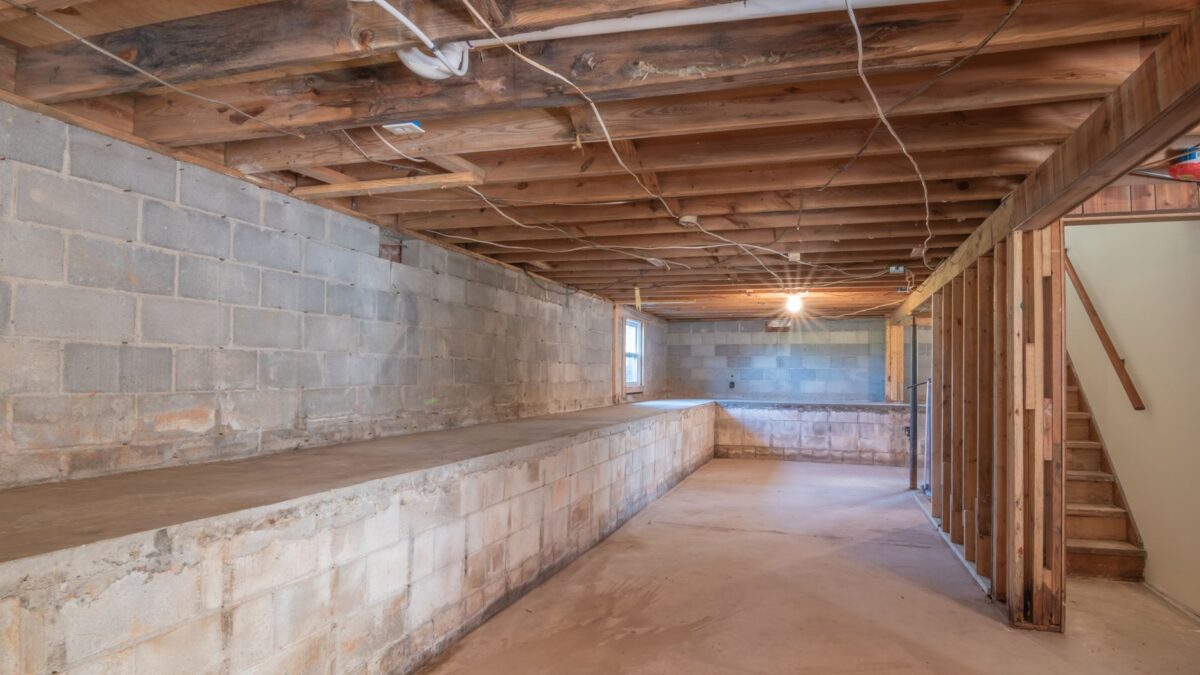
A basement dehumidifier should be sized to your space and dampness, which for most basements means a large unit rated at about 35 to 50 pints per day under the current Department of Energy test. Set it to keep relative humidity between 30 and 50 percent, and drain it through a hose or condensate pump so it runs without emptying a bucket. Running cost depends on the unit’s wattage, hours of use and your electricity rate.
What size dehumidifier does a basement need?
Most finished or partly finished basements need a 35 to 50 pint unit; a small, only slightly damp space can manage with a smaller one. Capacity on the box is the amount of water the unit removes in 24 hours. Since 2019, US ratings use a test at 65°F (18°C), closer to real basement conditions. Older ratings used a warmer, more humid test, so a unit once sold as “70 pint” is roughly a 50 pint unit today. Compare new models only with each other.
Size up when:
- the basement smells musty or has visible condensation on walls, pipes or windows
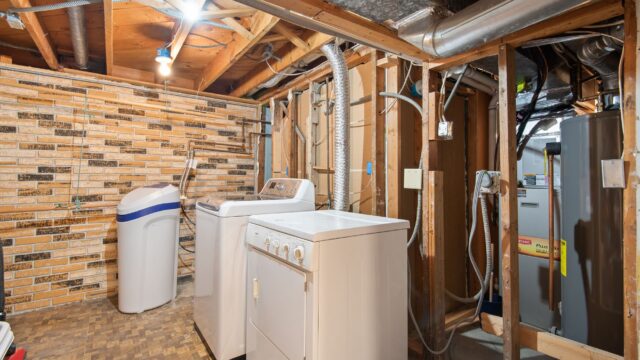
- a washer, dryer or shower is in the basement
- the space is large and open, or the climate is humid in summer
An undersized unit runs all day and never reaches the target humidity. A larger unit reaches it, then cycles off, which uses less energy overall. Our guide on how to choose a dehumidifier covers capacity and room size in more detail.
What humidity should a basement be?
Keep basement relative humidity between 30 and 50 percent, and below 60 percent at most. The EPA recommends staying under 60 percent to limit mold growth, and dust mites also struggle below 50 percent. Buy a cheap digital hygrometer and check it against the dehumidifier’s own reading, which is measured right at the unit and can be off.
What are the drainage options?
There are three ways to drain a basement dehumidifier, and the choice depends on where water can go.
- Bucket. Every unit has one. A 50 pint unit in a damp basement can fill it once or twice a day in summer, and the unit stops when it is full. Fine for occasional use only.
- Gravity drain hose. Most units have a hose outlet. Attach a standard garden hose or the supplied tube and run it downhill to a floor drain, utility sink or sump pit. The hose must slope down the whole way with no kinks or loops that rise above the outlet.
- Condensate pump. If there is no drain lower than the unit, choose a model with a built-in pump or add a separate condensate pump. A pump pushes water up and out through a thin tube to a sink, drain or outside, usually up to about 15 feet (4.5 m) vertically depending on the model.
Check local rules before running water outdoors, and keep the outlet away from the foundation so the water does not come straight back in. Clean the hose connection and pump reservoir a few times a year, since slime can block them.
How much does a basement dehumidifier cost to run?
Estimate cost by multiplying the unit’s power draw in kilowatts by the hours it runs and by your electricity rate. A large unit that draws 500 watts (0.5 kW) and runs 12 hours a day uses 6 kWh per day. Multiply that by the price per kWh on your bill to get the daily cost, then by 30 for a month. Actual hours depend on dampness: a unit often runs most of the day in midsummer and very little in winter.
To keep costs down:
- Choose an ENERGY STAR certified model, which removes more water per kWh than standard models.
- Set the humidistat to 45 to 50 percent instead of the lowest setting.
- Close basement windows and doors to the rest of the house while it runs.
- Fix the water source first: gutters, downspouts, grading that slopes toward the house and dryer vents that leak into the basement.
Where should you put it, and does temperature matter?
Place the unit near the center of the dampest area with at least 12 inches (30 cm) of clear space around the intake and exhaust, and close the space off from unconditioned areas. Temperature matters a lot. Standard units lose capacity in cool air, and below about 65°F (18°C) the coils can frost. Most models have auto-defrost, but in a basement that stays cold in spring and fall, look for a unit rated for low-temperature operation. For damp spaces under the house, see our guide on crawl space dehumidifiers and encapsulation.
How do you maintain it?
Wash the air filter every two to four weeks during heavy use, following the manual. Empty and wipe out the bucket weekly if you use it, so it does not grow mildew. Vacuum dust off the coils once a season with the unit unplugged. Keep the unit level so the bucket sensor and drain work properly. If the unit runs constantly without lowering the humidity, check for a clogged filter, frosted coils or a basement that needs a larger unit.
Quick answers
Should a basement dehumidifier run all the time?
Leave it on and let the humidistat turn it on and off. In humid months it may run most of the day; in a heated basement in winter it may hardly run.
Will a dehumidifier get rid of existing mold?
No. It slows new growth by drying the air, but existing mold needs cleaning or removal. The mold cleanup calculator estimates the size of the job and whether a professional is needed.
Can a dehumidifier drain into a sump pit?
Usually yes, through a gravity hose, as long as the sump pump discharges outside and away from the house. Check local plumbing rules.