How to Clean Strawberries and Berries So They Last Longer
Rinse berries in cool running water just before eating. For storage, a brief vinegar soak and thorough drying slows mold. Steps and tips inside.
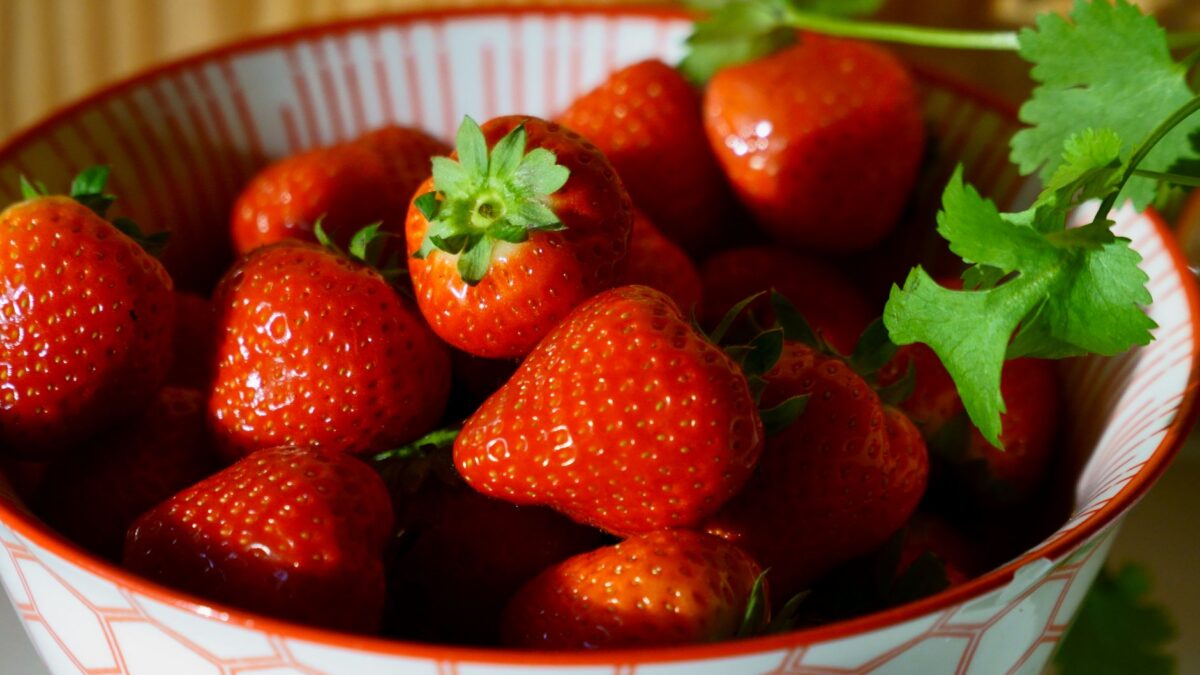
Berries last longest when they go into the fridge clean, fully dry and unbruised. Rinse them under cool running water, or give them a short soak in a mild vinegar and water mix, then dry every berry well before storing. Wet berries and soft, damaged ones are what start mold, so drying and sorting matter as much as the wash itself.
Food safety agencies such as the U.S. Food and Drug Administration advise rinsing produce under running water and not using soap, detergent or bleach on it. The steps below follow that guidance.
Should you wash berries right away or just before eating?
For plain eating, wash them just before you eat them. Moisture left on the skin speeds up spoilage, and berries are delicate, so a wash on the day you buy them gives mold more time to grow.
If you prefer to wash everything at once, use the vinegar method below and dry the berries thoroughly. That is the only case where washing ahead makes sense.
How do you rinse strawberries with water only?
- Leave the green tops on until after washing. Taking them off first lets water soak into the berry.
- Put the berries in a colander.
- Run cool water over them, turning them gently with your hand for about half a minute.
- Rub lightly with your fingers. A firm brush is not needed and can bruise the fruit.
- Pat dry with a clean towel or paper towels.
Cool water is better than warm. Warm water can soften berries. Prep surfaces should be clean too, and a wipe-down helps, as our guide to cleaning quartz countertops shows for that material.
Does a vinegar soak help berries last longer?
Many home cooks use a vinegar soak to slow mold, a common method with berries. Mix one part white vinegar with three parts cool water in a large bowl. Add the berries, swish gently and let them sit for about five minutes. Drain, then rinse well under cool running water so no vinegar taste is left.
The soak is for food only. Use plain white vinegar and water, and do not add soap, bleach or any other cleaner. The method is popular, but results vary, so drying and cold storage still do most of the work.
How do you dry berries properly?
Drying is the step people skip, and it is the one that matters most for storage.
- Spread the berries in a single layer on a clean towel or on paper towels.
- Pat the tops gently, then let them air dry for a while.
- Turn them over once to dry the sides.
- Do not store them until no water is visible on the skin or in the crevices near the stem.
A salad spinner lined with paper towels also works for sturdier berries such as blueberries. Strawberries and raspberries are too fragile for spinning.
How should you store clean berries?
Line a container with a dry paper towel, add the berries in a single layer or a shallow pile, and cover loosely so some air can move. Keep the container in the refrigerator, which should be at 40°F (4°C) or below. Check the berries every day.
Do not crowd them. Berries at the bottom of a deep pile get crushed, and crushed fruit leaks juice that speeds spoilage. Change the paper towel if it turns damp.
What should you do with moldy or soft berries?
Remove any berry that is moldy, leaking or very soft as soon as you see it, because mold spreads quickly through a container. Mold can also grow in places you cannot see, so when several berries have fuzzy growth, throw away the whole container. Do not sniff the berries to check, since breathing in mold spores is a bad idea.
Wash the container with hot, soapy water before reusing it. Scraps from trimming, such as stems and tops, can be put in compost, or ground in a sink disposal if you have one. See how to clean a garbage disposal to keep it fresh afterward.
Quick answers
Can you use soap or a produce spray on berries?
Government food safety guidance advises against soap, detergent and bleach on produce. Plain running water is the standard recommendation. For more on handling fresh produce, see FoodSafety.gov.
Can you freeze berries after washing them?
Yes. Wash and dry them fully, spread them on a tray in a single layer, freeze until firm, then move them to a freezer bag. Freezing them separately keeps them from clumping.
Why do strawberries go moldy so fast?
Their skin is thin and bruises easily, and they hold moisture in the crevices around the seeds and stem. Moisture, warmth and damage are the usual causes, which is why dry, cold and gentle handling extends their life.
Do organic berries need washing?
Yes. Any berry can carry dirt or microbes from the field, handling and shipping, so rinse organic ones the same way as other berries.