How to Choose a Steam Mop: Floor Compatibility, Features and Warranty Pitfalls
Before you compare steam mops, check whether your floor can take steam at all. Then look at settings, tank, pads and warranty terms.
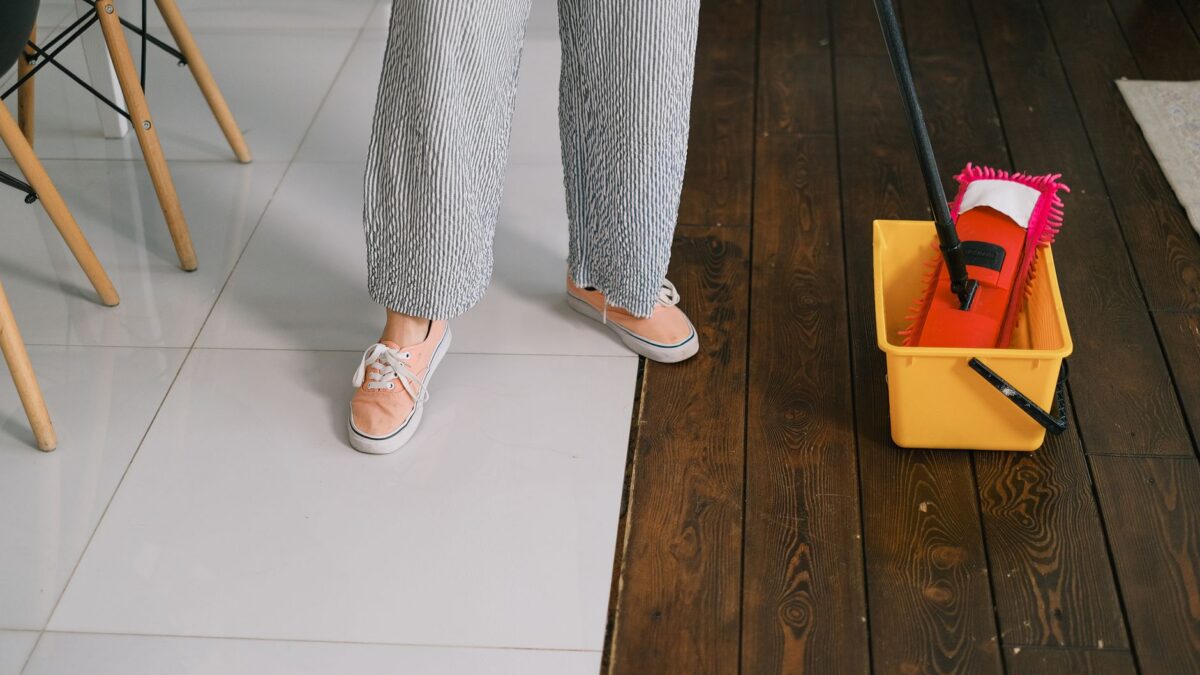
A steam mop is only a good buy if your floors can take steam: sealed ceramic and porcelain tile and other sealed, water-resistant hard floors are the usual safe bet. Many hardwood, laminate and vinyl plank makers advise against steam or say it can void the warranty, so check your flooring care guide before you buy. Once you know steam is allowed, compare adjustable steam levels, heat-up time, tank size, pad types and the mop’s own warranty terms.
Step one: check your floors
| Floor | Steam mop? | Why |
|---|---|---|
| Glazed ceramic or porcelain tile | Usually fine | Non-porous surface; check that grout is sealed if needed |
| Sealed hardwood | Often not recommended | Heat and moisture can damage finishes and swell wood; many makers prohibit it |
| Unsealed or waxed wood, cork | No | Absorbs moisture; wax can be stripped |
| Laminate | Often not recommended | Moisture and heat can swell the core and loosen layers; a few makers allow a low setting |
| Luxury vinyl plank/tile (LVP/LVT) | Often not recommended | Heat can affect the wear layer and adhesive; many warranties exclude steam |
| Sealed natural stone | Check the stone or sealer maker | Heat and moisture may affect some sealers |
| Unglazed tile, unsealed stone or grout | Generally no | Porous; can absorb moisture |
Policies differ by product line, so the only reliable answer is your flooring maker’s care guide or warranty. Our article can you use a steam mop on hardwood? goes through each floor type, and how to clean vinyl plank floors covers safe alternatives for LVP.
Features that matter
Adjustable steam levels
Low, medium and high settings let you use less moisture on more sensitive surfaces and more on grout or sticky spots. A mop with a single fixed output gives you less control.
Heat-up time
Makers list how long the boiler takes to produce steam. Shorter is more convenient for quick jobs. Compare the stated figure on the spec sheet.
Water tank
A larger tank means fewer refills; a removable tank is easier to fill at the sink. Check what water the maker allows. Some recommend distilled or demineralized water in hard-water areas to reduce mineral buildup; others say tap water is fine. Never add cleaning products, vinegar or fragrance to the tank unless the manual specifically allows it.
Pads
- Washable microfiber pads are the cheapest over time. Check whether they can go in the washing machine and how they should be dried.
- Scrubbing pads help with grout lines and dried spills.
- Disposable pads are convenient but add ongoing costs.
- Check the price and availability of replacement pads before buying.
Handheld or 2-in-1 models
Some steam mops detach into a handheld steamer with nozzles and brushes for grout, sinks and tile. Useful if you’ll use it; extra clutter if not.
Cord, weight and storage
Look at cord length, total weight with a full tank and whether it stands upright on its own. A pad left resting on a floor can trap heat and moisture in one spot, so a stable upright position matters.
Safety
- Steam burns. Keep children and pets away while it’s on and while it cools.
- Don’t point steam at people, pets, electrical outlets or appliances.
- Never leave the mop switched on and parked on the floor.
- Unplug before filling, emptying or changing pads, and let it cool first.
- Check for recalls on the model on the CPSC recalls site, especially when buying second-hand.
Steam mops don’t replace every other kind of cleaning
Steam loosens grime and dirt, but it isn’t a registered disinfectant product. Makers sometimes advertise germ-reduction claims under specific test conditions; read those carefully and don’t rely on a steam mop in place of a disinfectant where one is genuinely needed. Always sweep or vacuum first, because a steam pad pushes grit around rather than picking it up.
Warranty caveats
- Flooring warranty. Using steam where your flooring maker prohibits it can void that warranty. Keep a copy of your floor’s care guide.
- Mop warranty. Steam mop warranties often exclude damage from mineral buildup, unapproved water additives or misuse. Read the descaling and water instructions.
- Proof of purchase. Register the product or keep the receipt.
How to choose, step by step
- Confirm in writing (care guide or warranty) that your floor allows steam.
- Choose a model with adjustable steam if you have more than one floor type.
- Compare heat-up time, tank size and weight.
- Check pad types and replacement costs.
- Read the water and descaling instructions.
- Check the warranty length and what it excludes.
If your floors can’t take steam
A damp (not wet) microfiber mop with a pH-neutral cleaner made for your floor type is a cheaper, safer choice for hardwood, laminate and vinyl. See how to clean laminate floors for a low-moisture routine. For tile, a regular mop with warm water and a little dish soap works well, with a separate grout brush for the lines.
Bottom line
Check your floor before you check prices. Steam mops suit sealed tile and similar water-resistant surfaces; most wood, laminate and vinyl makers advise against them. If steam is allowed, look for adjustable settings, a sensible tank, washable pads and a clear warranty, and use only the water the maker specifies.
FAQ
Can I put vinegar or cleaner in my steam mop?
Only if the manual allows it. Most steam mops are designed for water only, and additives can damage the boiler or void the warranty.
Do steam mops disinfect?
They loosen dirt and some makers claim germ reduction under test conditions, but they aren’t a substitute for an EPA-registered disinfectant used per its label where disinfection is needed.
Why does my steam mop leave streaks?
Common causes are a dirty or overloaded pad, cleaning residue on the floor from previous products, or not vacuuming first. Use a fresh pad and rinse old residue with plain water.
Should I use distilled water?
Follow the manual. Some makers recommend distilled or demineralized water in hard-water areas to limit mineral buildup; others permit tap water.