How to Defrost a Freezer: 2 Methods, With or Without Unplugging
To defrost a freezer, unplug it, move food to a cooler and let warm water and towels melt the ice. Also covers quick scraping and frost-free freezers.
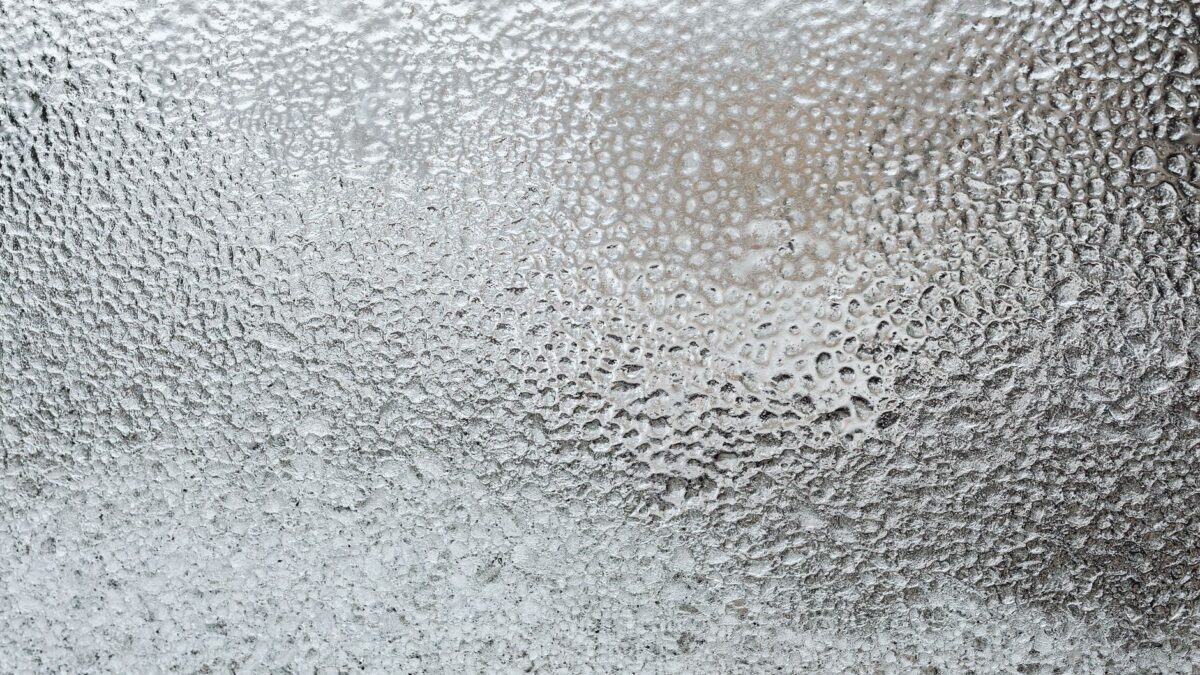
The best way to defrost a freezer is to unplug it, move the food to a cooler, and let bowls of hot water, a fan and towels melt the ice over a few hours. If you cannot turn the freezer off, scrape away loose frost with a plastic scraper while it runs, but that only works for a thin layer. Plan a full defrost once the ice is about 1/4 inch (6 mm) thick, because thicker frost makes the freezer work harder and takes up storage space.
Why does ice build up in a freezer?
Ice builds up when warm, humid air gets into the freezer and its moisture freezes on the cold walls. The most common causes are:
- Opening the door often or leaving it open too long.
- A worn, dirty or torn door gasket that lets air leak in.
- Putting in warm food or uncovered liquids, which release moisture.
- A door that does not close fully because the freezer is overpacked or not level.
Manual-defrost chest freezers and older upright models collect frost as a normal part of use. Frost-free models have a heater that clears frost automatically, so heavy ice in one of those points to a fault (see below).
How do you defrost a freezer by turning it off?
Turning the freezer off is the safest and most thorough method, and it usually takes between 2 and 24 hours, depending on how thick the ice is and how warm the room is.
- Empty it. Move frozen food into coolers with ice packs, or wrap it in towels and blankets and keep it together so it stays cold. A second freezer or a cold garage in winter can also work.
- Unplug it. Pull the plug rather than just turning the dial, so there is no power while water is around.
- Protect the floor. Lay towels around the base and inside the bottom of the freezer. Many chest freezers have a drain plug; put a shallow pan or a hose under it.
- Speed up the melt. Set pans or bowls of hot water inside and close the door, replacing the water as it cools. A fan aimed at the open freezer also helps.
- Remove loosened ice. As sheets of ice soften, lift them out by hand or ease them off with a plastic or wooden scraper.
- Clean and dry. Wipe the inside with a solution of about 1 tablespoon of baking soda per quart (1 liter) of warm water, then dry every surface well with a towel.
- Restart. Plug the freezer back in and let it run for an hour or so to cool down before you reload the food.
How do you remove freezer ice without turning it off?
You can remove light frost without turning the freezer off by scraping it while the freezer runs, as long as the layer is thin and you work quickly.
- Move the food from one shelf or section at a time to a cooler.
- Use a plastic scraper or a plastic spatula to loosen the frost and push it into a bowl. The idea is the same as using a plastic scraper for clearing frost from a windshield without damage: soft tools only.
- Wipe the area with a dry towel and move on to the next section.
- Keep the door open for as short a time as possible so the freezer does not warm up.
Thick ice that is fused to the walls will not come off this way without force, and forcing it risks damage. For that, a full defrost is the better choice.
What should you never use to remove freezer ice?
Never chip ice with a knife, screwdriver, ice pick or other sharp or metal tool. Cooling lines run inside the walls of many freezers, and a single puncture can let refrigerant escape and ruin the appliance. Also avoid these:
- Hair dryers and heat guns: mixing electrical appliances with melting water is a shock risk, and high heat can warp plastic liners. If you use a hair dryer at all, follow its manual, keep it well away from water and never let the cord sit in a puddle.
- Boiling water poured directly on surfaces: it can crack plastic parts. Use pans of hot water instead.
- Harsh cleaners: a baking soda solution or mild dish soap is enough. Do not mix cleaning products.
Is the food safe while you defrost?
Food stays safe as long as it stays frozen or cold. Keep the coolers closed and the food packed tightly together. Food that has thawed can be refrozen if it still has ice crystals or has stayed at 40°F (4°C) or below. Throw away perishable food such as meat, poultry, seafood and leftovers if it has been above 40°F (4°C) for more than 2 hours.
Why does a frost-free freezer have ice buildup?
Heavy ice in a frost-free freezer usually means a broken part or a blocked drain, not normal use. Common causes include a failed defrost heater, timer or sensor, a clogged defrost drain that refreezes into ice at the bottom, or a leaking door seal. Check the gasket first: clean it with warm soapy water and see if it seals evenly all the way around. If ice keeps coming back, or you see ice on the back wall covering the vents, call an appliance technician. While you are working on kitchen upkeep, our guide on cleaning a garbage disposal covers another appliance that needs regular care.
Quick answers
How often should you defrost a freezer?
Defrost a manual-defrost freezer when the frost reaches about 1/4 inch (6 mm), which for many households works out to about once or twice a year.
How long can a freezer stay unplugged?
A full, closed freezer holds its temperature for about 48 hours, and a half-full one for about 24 hours. While defrosting with the door open, keep the food in coolers.
Can you defrost a freezer faster with salt?
No. Salt can corrode metal parts and leave residue. Hot water, airflow and gentle scraping are the safe ways to speed things up.