How to Clean Tile Floors: Ceramic, Porcelain and Natural Stone
Ceramic and porcelain tile are forgiving; natural stone is not. Identify your tile first, then use the gentlest method that gets it clean.
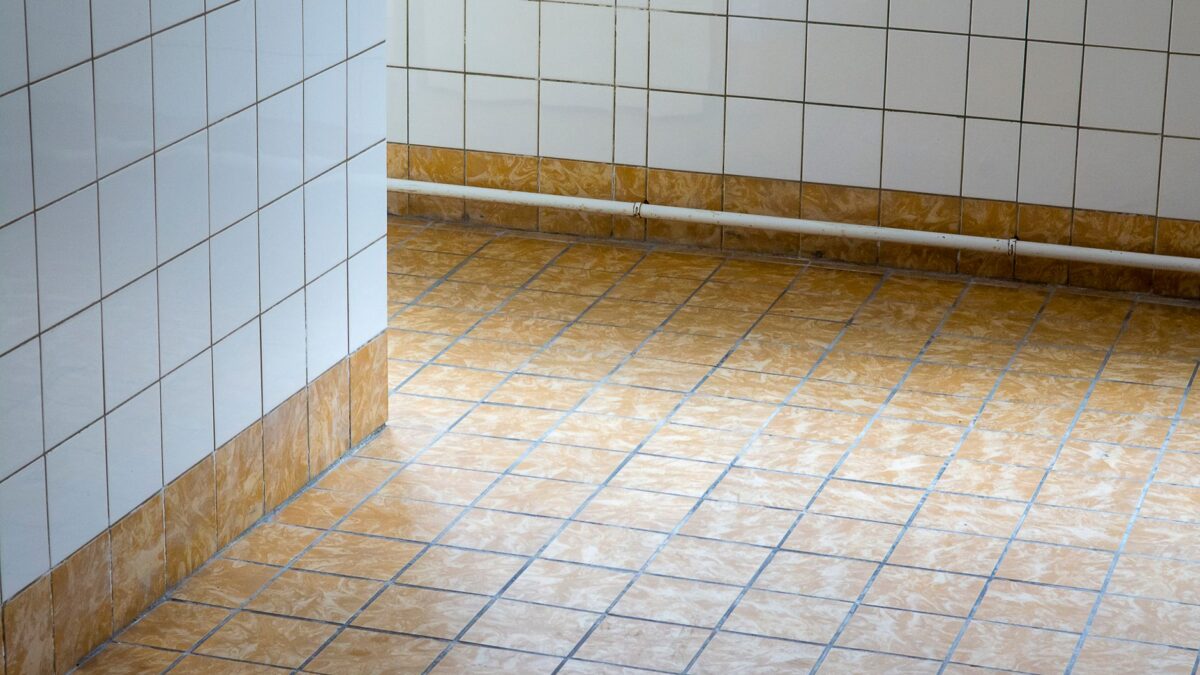
For most tile floors, sweep or vacuum, then mop with warm water and a pH-neutral floor cleaner, rinse with clean water and dry to prevent spots. Glazed ceramic and porcelain tolerate most household cleaners, but natural stone such as marble, limestone and travertine is etched by vinegar, lemon and other acids, so use only a stone-safe neutral cleaner there. Grout lines usually need a soft brush.
Identify your tile first
| Tile type | How to recognize it | What it tolerates | Avoid |
|---|---|---|---|
| Glazed ceramic | Glossy or satin colored surface; back shows a different clay color | Neutral cleaners, mild dish soap, steam (if grout is sealed) | Abrasive powders on glossy glaze |
| Porcelain | Dense, heavy, color often runs through the body | Neutral and mildly alkaline cleaners; steam | Oily cleaners that make it slippery; heavy wax |
| Unglazed tile (quarry, terracotta) | Matte, earthy, slightly porous | Neutral cleaners; sealing | Acids, excess water if unsealed |
| Marble, limestone, travertine | Natural veining, softer, scratches more easily | pH-neutral stone cleaner, soft mop | Vinegar, lemon, bathroom/lime cleaners, abrasives |
| Granite, slate | Speckled or layered natural stone | Stone-safe neutral cleaner | Harsh acids and abrasives; strong alkaline cleaners on sealers |
If you’re unsure, drip a little water on a grout line and on the tile in a hidden corner. If the tile itself darkens and absorbs it, treat it as porous and test any cleaner first. When in doubt about stone, assume it’s acid-sensitive.
What you need
- Broom or vacuum with a hard-floor setting
- Microfiber mop or a sponge mop with a wringer
- Two buckets: one for cleaning solution, one for rinse water
- pH-neutral floor cleaner (or stone cleaner for natural stone), or a few drops of mild dish soap in warm water for ceramic/porcelain
- Stiff nylon grout brush (not wire)
- Optional: if you want a lower-hazard product, look for EPA’s Safer Choice label, which marks products that meet the agency’s safer-ingredient criteria
- Dry towels or a dry microfiber mop
Step-by-step: routine tile cleaning
- Remove loose dirt. Sweep or vacuum, including corners. Sand and grit scratch glaze and stone.
- Mix your cleaner according to the label. More product isn’t better; it leaves a film.
- Mop in small sections. Wring the mop well. Change the solution when it turns gray.
- Brush the grout in kitchens, entries and bathrooms where it darkens. Scrub along the grout lines, not across the tiles.
- Rinse. Mop again with clean water from the second bucket to remove residue.
- Dry. Buff with a towel or dry microfiber pad. This prevents water spots, especially with hard water, and makes the floor less slippery.
Follow product labels, open a window or run the exhaust fan, wear gloves if the label says so, and keep products in their original containers away from children and pets. If someone swallows, inhales or gets a cleaning product in the eyes, call Poison Control at 1-800-222-1222 (US) or emergency services.
Natural stone: the gentle routine
Marble, limestone and travertine are made largely of calcium carbonate, which reacts with acids. Even a quick wipe with vinegar or a citrus cleaner can leave a dull, rough mark called an etch. Etching is surface damage, not a stain, so cleaning won’t remove it; it usually needs professional honing or polishing.
- Use a cleaner labeled pH-neutral and safe for natural stone.
- Skip bathroom cleaners, toilet-bowl cleaners, lime and rust removers, and “lemon” products on stone, as many contain acids.
- Avoid scouring powders and abrasive pads.
- Blot spills quickly, especially wine, juice, coffee and oil.
- Keep stone sealed as recommended by your installer; sealing slows staining but doesn’t prevent etching.
Cleaning grout lines
Floor grout is usually cement-based and porous, which is why it darkens. For regular maintenance:
- Scrub with your normal neutral cleaner and a stiff nylon brush.
- For heavier grime on ceramic or porcelain, make a paste of baking soda and water, apply it to the grout lines, scrub, and rinse well.
- For stubborn discoloration, an oxygen bleach (sodium percarbonate) solution mixed per the label can help on ceramic or porcelain floors. Rinse thoroughly.
- Once grout is clean and fully dry, apply a grout sealer according to its directions.
Never mix chlorine bleach with vinegar, ammonia, or acidic grout and tile cleaners; the combinations release toxic gases. Use one product, rinse with water, and only then try another. For a deeper dive, see our guide to cleaning grout.
Removing haze from tile
A cloudy film on tile usually has one of three causes:
- Cleaner residue: mop with plain warm water, then dry. Repeat if needed and use less product next time.
- Hard-water deposits: dry the floor after mopping. On ceramic and porcelain only, a cleaner made for mineral deposits can help; rinse well. Never use these on natural stone.
- Grout haze after new installation: this is leftover grout film. Use a grout haze remover that the tile and grout makers approve, following the label. Some are acidic and are not safe for stone or certain grouts.
Choosing a mop
| Mop type | Good for | Drawbacks |
|---|---|---|
| Flat microfiber | Smooth tile, quick weekly cleaning, low water use | Less effective on deep grout lines |
| Sponge mop | Textured tile, kitchens | Holds dirt; needs thorough rinsing and drying |
| String or strip mop | Large areas, textured tile | Uses more water; must be wrung well |
| Steam mop | Glazed ceramic and porcelain with sealed grout | Not for unsealed grout or unglazed tile without testing; check stone guidance |
| Spin mop with bucket | Controlling how wet the mop is | Bulky storage |
If you’re considering steam, check our floor-by-floor steam mop guide first.
How often to clean tile
- Sweep or vacuum: a few times a week in kitchens and entries.
- Mop: weekly in busy areas, every couple of weeks elsewhere.
- Scrub grout: monthly or as it darkens.
- Reseal grout or stone: as the sealer maker recommends; a simple test is whether water still beads on the surface.
Bottom line
Use warm water and a neutral cleaner, rinse, and dry. Ceramic and porcelain can handle a baking soda paste or oxygen bleach on grout. Natural stone needs a stone-safe neutral cleaner only: no vinegar, citrus or acidic bathroom products. Never mix bleach with acids or ammonia.
FAQ
Can I use vinegar on tile floors?
Diluted vinegar is generally fine on glazed ceramic and porcelain tile surfaces, but repeated use can wear cement-based grout, and it etches marble, limestone and travertine. A neutral cleaner is the safer default.
What’s the best way to clean textured tile?
Use a sponge or string mop, or a soft nylon scrub brush, to reach into the texture, then rinse well. A steam mop works on glazed textured tile with sealed grout.
How do I make tile floors less slippery after mopping?
Use less cleaner, rinse with clean water and dry the floor. Oily or waxy cleaners and leftover soap are common causes of slippery tile.
Can I use bleach on floor tile?
Diluted bleach per the label can be used on glazed ceramic, but it isn’t needed for routine cleaning and can discolor colored grout. Never mix it with other cleaners and rinse afterward. Don’t use it on natural stone unless the stone care guide permits.