Do Steam Mops Work? What They Clean, Where They Fall Short
Steam mops sanitize and lift light grime on sealed hard floors, but they struggle with heavy dirt and can damage some floors. Here is what to know.
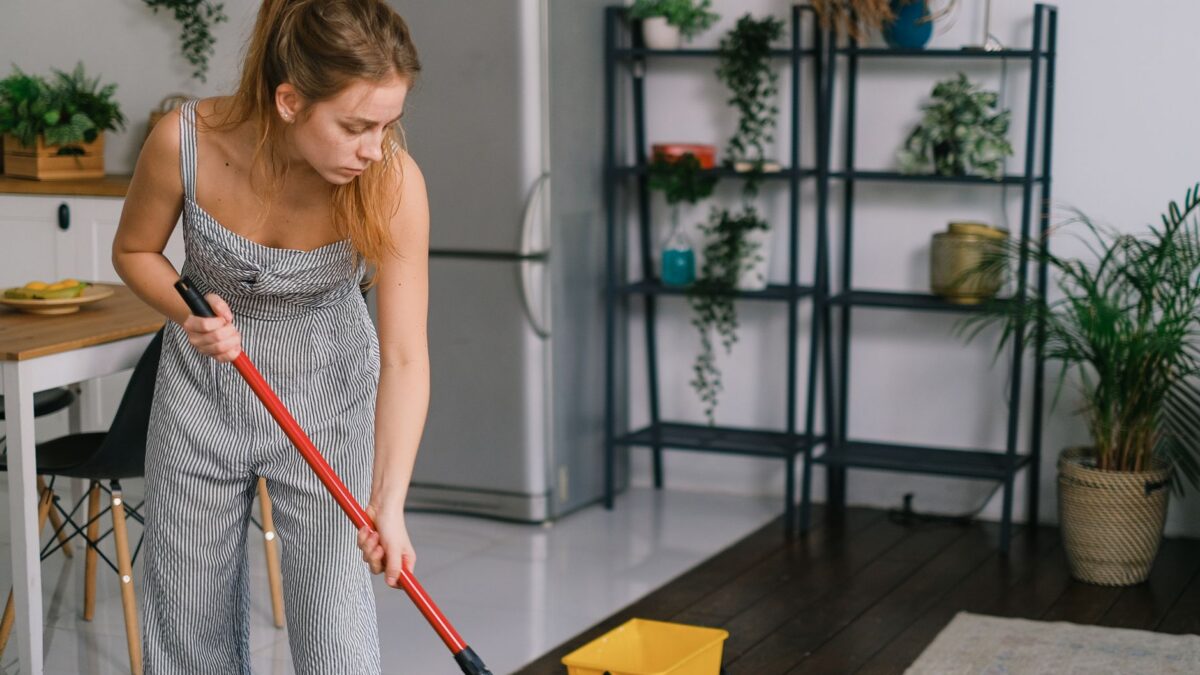
Steam mops do work on the right floors and the right kind of dirt. Hot steam loosens light grease and everyday grime on sealed tile, vinyl and similar hard floors, and it leaves no chemical residue. They are not a cure-all: they will not scrub off caked-on dirt, and steam and moisture can damage unsealed wood, laminate and some other flooring. Check what your floor maker allows before you use one.
How a steam mop works
A steam mop heats water in a tank and releases hot steam through a washable pad. The heat and moisture soften sticky residue, and the pad wipes it away. Because only water is used, there are no cleaning chemicals to rinse. Steam can reduce many germs on a surface when it is hot enough and in contact long enough, but a quick pass over the floor is not the same as formal disinfection, and results depend on the machine and your technique. Do not treat a steam mop as a medical-grade sanitizer.
What steam mops clean well
- Sealed ceramic and porcelain tile: light dirt, footprints and kitchen splatter.
- Sealed stone: only if the maker or installer says steam is acceptable.
- Vinyl and luxury vinyl, if the maker approves: light residue.
- Sticky spots and dried drips that soften with a little dwell time.
- Quick, chemical-free upkeep in homes with pets or children, as long as hot parts and steam are kept out of reach.
Where they fall short
- Heavy dirt: a steam mop is not a scrubber. Sweep or vacuum first, then spot-treat stuck-on messes.
- Grout: steam can help loosen surface dirt, but deep stains usually need a brush. See how to clean grout.
- Textured floors: the flat pad may not reach into deep grooves.
- Large messes: small tanks run out, and the pad gets dirty quickly. Swap pads often.
- Carpet and rugs: a standard steam mop is not designed for them.
Floors to avoid
Heat and moisture can cause damage that cannot be undone. Avoid or approach with great care:
- Unsealed or waxed hardwood: steam can swell the boards and dull the finish.
- Laminate: water can seep into seams and make the core swell. Read how to clean laminate floors for a safer method.
- Unsealed natural stone and cement: moisture can stain or weaken them.
- Vinyl plank with a warranty that bans steam: heat can lift edges or warp planks. Check the guidance in how to clean vinyl plank floors.
- Cork, bamboo and engineered wood unless the maker says steam is fine.
- Damaged or loose tiles and cracked sealing, where steam can reach the subfloor.
Many floor warranties exclude steam cleaning. When in doubt, test a small hidden area, or ask the floor manufacturer.
How to use a steam mop safely
- Check your floor maker’s care instructions and the mop’s manual.
- Sweep or vacuum the floor first.
- Fill the tank with the water type the maker recommends. Some units need distilled water to limit mineral buildup.
- Keep the mop moving. Leaving it still in one place can damage the floor.
- Never aim steam at people, pets, outlets or appliances, and never add soap, vinegar or other cleaners to the tank unless the manual allows it. Do not mix cleaning products.
- Let the floor dry fully before putting rugs or furniture back.
- Wash the pad after each use, and empty the tank.
Is a steam mop worth buying?
It makes sense if you have mostly sealed tile or approved vinyl, want to cut down on chemicals and do regular light cleaning. A regular mop and bucket may work better for heavy dirt or sensitive floors. If you decide to buy, how to choose a steam mop covers floor compatibility, features and warranty pitfalls. Also keep an eye on product safety notices, since steam mops sometimes appear in recalls.
Quick answers
Do steam mops kill germs?
Steam can reduce germs on a hot, contacted surface, but a quick pass is not guaranteed disinfection. Do not rely on it for situations that call for proper disinfection.
Can I use vinegar in a steam mop?
Generally no. Most makers say to use water only, and added liquids can damage the unit and void the warranty.
How often can I steam mop?
For approved floors, light cleaning once a week or so is typical. Follow the floor maker’s advice, since frequent moisture can wear some finishes.
Why does my floor look streaky afterward?
Dirty pads, hard water minerals or leftover dirt are common causes. Use clean pads and the recommended water, and sweep first.