How to Clean a Range Hood Filter: Mesh, Baffle and Charcoal Filters
Greasy hood filters slow your vent and can drip grease. Here's how to tell which filter you have, how to degrease metal ones and when to replace charcoal filters.
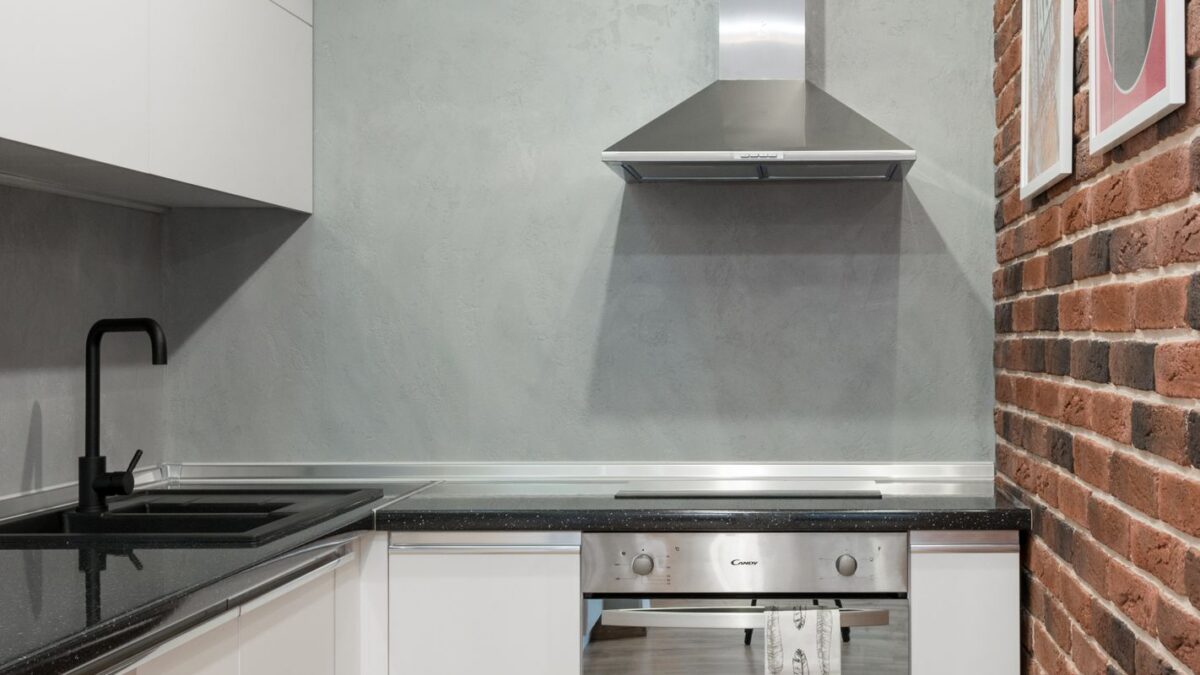
Most range hoods have metal mesh or baffle filters that you can wash: soak them in very hot water with a squeeze of dish soap and a few spoonfuls of baking soda for 15 to 30 minutes, scrub gently with a soft brush, rinse and let them dry completely. Charcoal (carbon) filters, used in recirculating hoods, cannot be washed and need replacing on the schedule in your manual. Many makers allow metal filters in the dishwasher, but check your manual first because some finishes can discolor.
Which filter do you have?
| Filter type | What it looks like | Clean or replace? |
|---|---|---|
| Aluminum mesh | Layers of fine metal mesh in a frame | Wash regularly; replace if torn or bent |
| Stainless steel baffle | Angled metal slats, common on higher-airflow hoods | Wash; usually very durable |
| Charcoal / carbon | A pad or cartridge of black granules or fibers, often behind the metal filter | Replace; washing ruins it |
| Disposable paper or foam | Thin, fibrous pad | Replace |
A ducted hood vents air outside and usually has only metal grease filters. A ductless or recirculating hood (including many over-the-range microwaves) blows air back into the kitchen, so it typically has a grease filter plus a charcoal filter to reduce odors.
What you need
- A sink, large bowl, baking pan or bucket big enough to submerge the filter
- Very hot tap water (or carefully poured hot water from a kettle, see the warning below)
- Dish soap, preferably a degreasing one
- Baking soda
- A soft-bristled brush or non-scratch sponge
- Rubber gloves
- A towel for drying
How to clean a metal range hood filter, step by step
- Turn off the hood and let it cool. If you have just cooked, wait so the filter and light bulbs are not hot.
- Remove the filter. Most slide or pop out using a tab or latch. Check the manual if it doesn’t come out easily.
- Fill the sink or tub with very hot water. Add a good squeeze of dish soap and about a quarter cup of baking soda, and swirl to mix.
- Submerge the filter and let it soak for 15 to 30 minutes. Heavily greased filters may need longer, or a second soak with fresh water.
- Scrub gently with a soft brush, following the direction of the mesh or slats. Avoid steel wool and harsh scouring pads, which can tear mesh and scratch finishes.
- Rinse with hot water until the water runs clear and there is no soap residue.
- Dry completely before putting it back. Shake off excess water and let it air-dry on a towel.
- Reinstall the filter and wipe the inside of the hood with a cloth dampened in warm, soapy water while the filter is out.
Boiling water caution: some people pour boiling water over filters for very heavy grease. If you do, put the filter in a heat-safe pan, not a plastic tub, keep children away and pour slowly to avoid splashes. Do not pour boiling water into a sink with plastic (PVC) pipes over and over; very hot tap water is usually enough.
Can range hood filters go in the dishwasher?
Many stainless steel baffle and some aluminum mesh filters are labeled dishwasher-safe. Even so, harsh dishwasher detergents can dull or darken aluminum over time. If your manual allows it, put the filter on the bottom rack, standing up if possible, and run a normal cycle without other dishes if it is very greasy. Check that the drain area of your dishwasher is clear afterward; see our guide to cleaning a dishwasher.
What not to use
- Oven cleaner or lye-based degreasers on aluminum, unless the hood maker specifically allows it; caustic cleaners can corrode and discolor aluminum.
- Bleach, which does not cut grease and can damage metal.
- Mixing products. Never combine different commercial cleaners, and never mix bleach with ammonia or acids. See never mix these cleaning products.
- Steel wool or wire brushes, which scratch and can tear mesh.
If you use any commercial degreaser, follow the label, ventilate, wear gloves, and rinse thoroughly. Keep products in original containers away from children and pets. If someone swallows, inhales or gets a cleaning product in the eyes, call Poison Control at 1-800-222-1222 (US) or emergency services.
Charcoal filters: replace, don’t wash
Charcoal filters absorb odors in their porous material. Water and soap clog it and stop it working, so washing does not restore them. Replace them on the schedule your manual gives, or sooner if cooking smells linger more than usual. Order by model number so the size and fit are right, and note the date on the filter with a marker when you install it.
How often to clean range hood filters
- Frequent frying, searing or wok cooking: roughly monthly, or whenever the filter looks greasy.
- Average home cooking: every couple of months.
- Light cooking: a few times a year.
- Charcoal filters: replace on the maker’s schedule.
A greasy filter is not just unsightly. It reduces airflow, makes the fan louder and can drip grease back onto the cooktop. Built-up grease in a hood is also a fire concern, so keep filters reasonably clean. For grease that has already landed on walls or cabinets, see how to remove grease stains.
Bottom line
Wash metal mesh and baffle filters in a hot soak with dish soap and baking soda, scrub gently and dry fully. Use the dishwasher only if your manual allows it. Charcoal filters cannot be cleaned; replace them on schedule.
FAQ
How do I know if my filter is charcoal?
Charcoal filters are usually black or dark gray, feel like a pad or cartridge and are found in recirculating hoods and over-the-range microwaves. Metal filters are silver mesh or slats.
My mesh filter is still sticky after soaking. What now?
Repeat the soak with fresh hot water and more dish soap and baking soda. Old, very baked-on grease may need a few rounds. If the mesh is damaged, replace the filter.
Can I run the hood without the filter?
Not for long. The filter catches grease that would otherwise coat the fan and ductwork. Reinstall it as soon as it is dry, or use a spare.
Does vinegar clean grease filters?
Vinegar is not a strong degreaser on its own. Hot water with dish soap does most of the work; baking soda adds gentle scrubbing help.