How to Clean a Couch: Read the Cleaning Code First
The tag under your sofa cushion tells you exactly which cleaners are safe. Here is how to read it and clean microfiber, linen, cotton and leather.
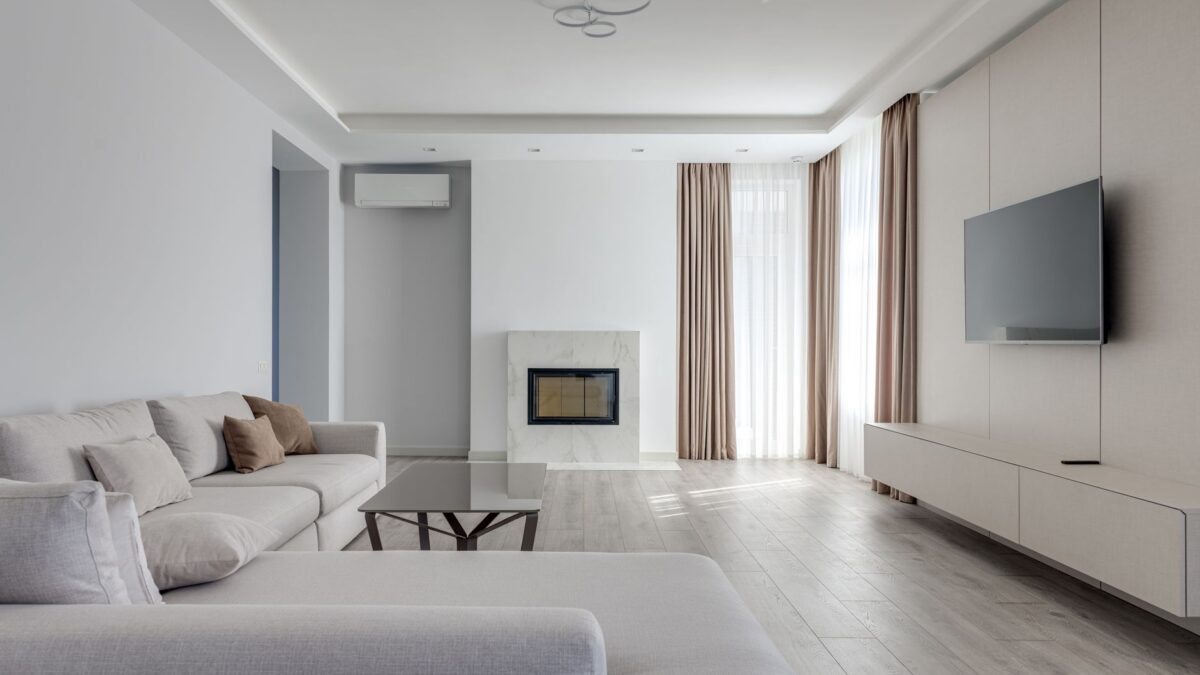
Before cleaning a couch, find its cleaning code, usually on a tag under the seat cushions or on the deck: W means water-based cleaners, S means solvent (dry-clean) cleaners only, W/S allows either, and X means vacuum only, no liquids. Then vacuum thoroughly, spot-test your cleaner in a hidden area and clean with as little moisture as possible. Leather follows the leather maker’s instructions, not these codes.
What upholstery cleaning codes mean
| Code | Means | What you can use | Avoid |
|---|---|---|---|
| W | Water-based cleaning | Mild detergent and water, water-based upholstery cleaners, foam | Solvents; overwetting |
| S | Solvent-based cleaning only | Water-free (dry-cleaning) upholstery solvents, used per label with ventilation | Water, which can leave rings, shrink or distort fabric |
| W/S or SW | Either water or solvent | Water-based for most spills; solvent for oily stains | Saturating the fabric |
| X | Vacuum or brush only | Vacuuming, light brushing | Any liquid cleaner, including water |
A W code doesn’t mean cushion covers are machine-washable. Many covers shrink or lose their shape in the wash. Only machine-wash covers if the manufacturer says you can. Cushions, back pillows and the frame fabric sometimes carry different codes, so check each part.
What you need
- Vacuum with upholstery and crevice tools
- Soft-bristle brush
- White microfiber cloths
- For W fabrics: clear dish soap or mild detergent and distilled water in a spray bottle
- For S fabrics: a water-free upholstery cleaning solvent labeled for that use
- For leather: a cleaner and conditioner suited to the leather type
Step-by-step: deep cleaning a fabric couch
- Remove loose items and take off the cushions.
- Vacuum everywhere. Use the crevice tool in seams and along the frame, then the upholstery tool on all surfaces. Brush pet hair toward the vacuum with a rubber glove or soft brush.
- Spot-test. Apply a small amount of your cleaner on a hidden area (the back or under the skirt), let it dry, and check for color change, rings or texture change.
- Clean in sections. Lightly mist (W) or dab (S) the cleaner onto a cloth, not straight onto the fabric. Wipe or blot in gentle strokes, working from the outside of a spot inward.
- Clean whole panels, not just the spot. On water-safe fabrics, cleaning just a small spot can leave a ring. Blend outward to a seam.
- “Rinse” W fabrics with a cloth dampened in plain distilled water and blot.
- Dry. Use a fan and open windows. Keep people and pets off until dry. Once dry, brush the nap gently to restore texture.
Solvent cleaners are often flammable and give off fumes: ventilate well, keep them away from flames and heat, wear gloves if the label says so, and never mix them with other products. Keep all cleaners in their original containers out of reach of children and pets. If someone swallows, inhales or gets a cleaning product in the eyes, call Poison Control at 1-800-222-1222 (US) or emergency services.
Cleaning by fabric type
Microfiber (polyester)
Many microfiber couches carry an S or W/S code. On S-coded microfiber, water can leave tide marks, which is why solvent cleaners or rubbing alcohol are often recommended for these fabrics. If you use rubbing alcohol, check the code allows solvents, test first, ventilate, and keep it away from flames. Once dry, brush with a soft brush to fluff the fibers.
Cotton and linen
Natural fibers can shrink, wrinkle and show water rings. Use minimal moisture, clean whole panels, and test first. Slipcovers can sometimes be washed, but only if the care label allows; many linen covers are labeled dry clean only.
Velvet
Vacuum with a soft brush, following the direction of the pile. Velvet crushes easily; check the code and test carefully. Professional cleaning is often the safer choice for stains.
Leather
Leather isn’t covered by W/S codes. Vacuum crevices, wipe with a damp soft cloth, and use a cleaner made for your leather type (finished/protected vs aniline or “unprotected”). Unprotected aniline leather absorbs liquids and can darken. Avoid all-purpose sprays, baby wipes, vinegar and alcohol unless the leather maker says they’re safe. Condition as the maker recommends and keep leather out of direct sun.
Spot stains at a glance
- Fresh spills: blot immediately with a white cloth. Don’t rub.
- Food and drink on W fabric: mild dish soap solution, then plain water, then blot dry. See our guide to coffee stains for coffee and milk.
- Grease and body oils: solvent cleaner on S or W/S fabrics; cornstarch or baking soda sprinkled on fresh grease can absorb some first. Our grease stain guide has more.
- Pet urine: blot, then an enzyme cleaner (on W fabrics) per label. Never use bleach or ammonia-based cleaners.
- Ink: test a solvent on a hidden area first; set-in ink often needs a professional.
When to call a professional
- The code is X or missing, and the couch is visibly dirty.
- It’s S-coded and you’re not comfortable working with solvents.
- Velvet, silk, antique or valuable fabric.
- Large stains, strong odors or water damage.
If you clean upholstery often, an upholstery tool on a carpet cleaner may be worth it; see carpet cleaner vs renting.
Bottom line
Read the code, vacuum first, test in a hidden spot, and use the least moisture that works. W means water, S means solvent, W/S means either, X means vacuum only. Leather follows its own rules.
FAQ
Where is the cleaning code on a couch?
Usually on a tag under the seat cushions or attached to the deck or frame. If it’s missing, check the manufacturer’s website or treat it as an X code until you know.
Can I use a carpet cleaner on my couch?
Only on W or W/S fabrics, with an upholstery attachment, and only if the machine maker approves it. Extract as much water as possible and dry thoroughly.
How often should I clean my couch?
Vacuum it weekly or every couple of weeks, spot-clean spills right away, and do a deeper clean once or twice a year, more often with pets or kids.
Can I wash couch cushion covers in the machine?
Only if the manufacturer says so. Even with a zipper and a W code, covers can shrink or fade and may not fit back on.