Can You Steam Clean Laminate Floors? What Flooring Makers Advise
Most laminate flooring makers say no to steam mops, because heat and moisture swell the core and can void the warranty. Safer cleaning methods and exceptions.
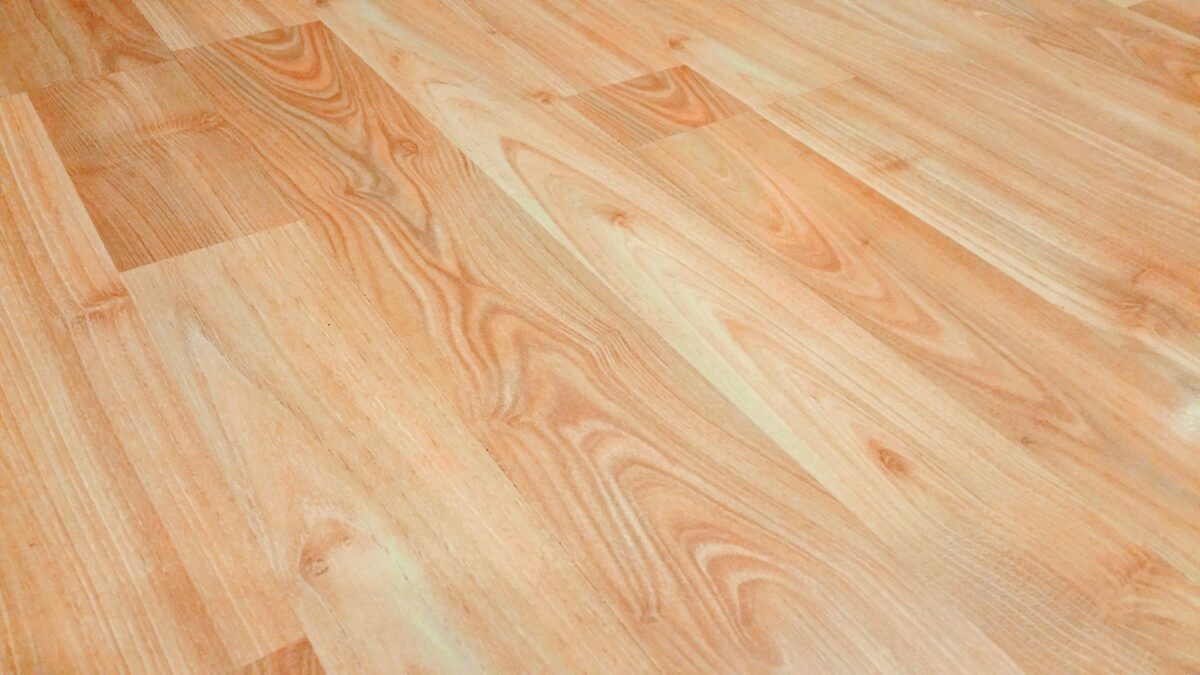
You should not steam clean most laminate floors. Nearly all laminate flooring manufacturers tell owners to avoid steam mops, because hot vapor is pushed into the seams, where it swells the fiberboard core and can make the planks peel, cup or bubble. Steam damage is also a common reason for a warranty claim to be refused, so check your flooring maker’s care instructions before you use any steam cleaner.
A dry microfiber mop and a barely damp mop with a laminate-safe cleaner handle almost all routine cleaning without that risk.
Why is steam bad for laminate flooring?
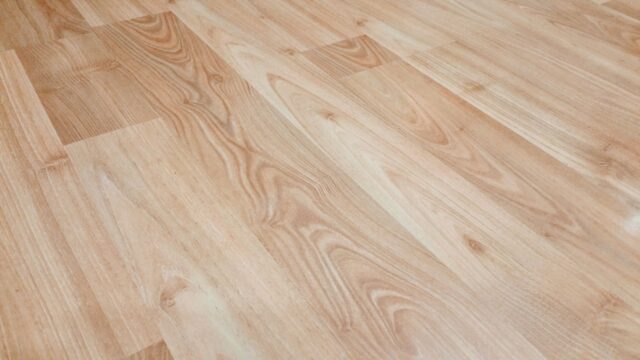
Steam damages laminate because the floor is mostly compressed wood fiber, and wood fiber soaks up moisture and swells. A laminate plank is built in layers: a clear wear layer on top, a printed photographic layer that gives the wood or stone look, a thick core of high-density fiberboard (HDF) and a backing layer. The top surface resists water for a short time. The edges and click-lock joints are the weak spots.
A steam mop delivers moisture and heat at the same time. The heat helps vapor get into the joints, and the pressure of the pad pushes it further. Once the HDF core absorbs it, the damage tends to show up as:
- raised or swollen edges along the seams (often called peaking or edge swell)
- planks that cup, with edges higher than the middle
- a top layer that bubbles, lifts or turns cloudy
- gaps or joints that no longer lock together tightly
Swollen fiberboard does not shrink back to its original shape when it dries. In most cases the only fix is to replace the damaged planks.
What do flooring makers say about steam mops?
Most laminate manufacturers say in their care guides not to use steam mops or steam cleaners on their floors, and many state that damage caused by excess moisture or steam is not covered by the warranty. Brands such as Pergo publish their care and warranty terms online, and the documents that came with your floor should spell out what the warranty covers.
A few newer products are sold as water-resistant or waterproof laminate, with sealed edges and a moisture-resistant core. Even for these, many makers still advise against steam, because “water-resistant” usually refers to surface spills cleaned up within a set time, not repeated hot vapor. If your floor’s care guide does not mention steam at all, treat that as a no until the manufacturer confirms otherwise.
What about steam mops labeled safe for laminate?
Some steam mops have a low setting or are marketed as suitable for “sealed hard floors,” which can include laminate in the product description. The mop’s packaging does not change what your flooring warranty says. If the two disagree, follow the flooring manufacturer, since it is the one that pays for a failed floor. Our guide on choosing a steam mop for your floor type covers compatibility labels and warranty fine print in more detail.
How should you clean laminate floors instead?
The safest routine for laminate is dry cleaning most of the time and light damp mopping only when needed.
- Sweep, dust mop or vacuum several times a week. Grit acts like sandpaper on the wear layer. Use a vacuum’s hard-floor setting and turn off a rotating beater bar if it can scratch.
- For sticky spots or a weekly clean, use a microfiber mop that is damp, not wet. Wring it until it feels almost dry to the touch.
- Use a cleaner made for laminate, or the one your flooring maker recommends, diluted as the label directs. Spray it onto the mop or lightly onto a small area, not in puddles on the floor.
- Work in sections and wipe up any standing liquid right away, especially along seams and near walls.
- Let the floor air dry. It should be dry within a minute or two if you used the right amount of moisture.
For more on avoiding a hazy finish, see our step-by-step guide to cleaning laminate floors without swelling or streaks.
What should you avoid on laminate besides steam?
Several common cleaning habits damage laminate almost as reliably as steam does:
- wet mopping with a soaked string mop or a bucket of water
- wax, polish or “mop and shine” products, which leave a dull, sticky film that is hard to remove
- abrasive powders, scouring pads and steel wool, which scratch the wear layer
- oil soaps meant for real hardwood, which can leave residue
- letting pet water bowls, plant pots or wet boots sit on the floor
Never mix different cleaners in a bucket or spray bottle. Some combinations, such as bleach with ammonia or with acids, release toxic gases. Use one product at a time, follow the label, keep the room ventilated and store cleaners away from children and pets. If someone swallows or inhales a cleaning product, call Poison Control at 1-800-222-1222 in the US or your local emergency number.
What if steam has already damaged your laminate?
Stop using the steam mop and let the area dry completely with good airflow before judging the damage. Mild cloudiness on the surface sometimes clears once the floor is fully dry. Raised seams, cupped planks and bubbling are permanent.
If only a few planks are affected, a flooring installer can usually replace them without pulling up the whole room, as long as you have spare planks from the same product run or can still buy a match. Contact the flooring maker or retailer before starting repairs if you plan to ask about warranty coverage, since they may want photos or an inspection first.
Which floors can handle a steam mop?
Steam mops are generally safer on sealed ceramic and porcelain tile and on sealed grout, where the surface does not absorb water. Many vinyl plank makers also restrict steam, because heat can affect the adhesive and the planks, so check the care guide there too. Our article on what steam mops clean well and where they fall short goes through each floor type.
Quick answers
Will one steam cleaning ruin a laminate floor?
A single quick pass may leave no visible damage, but moisture builds up in the seams with each use. Many makers count any steam use as a warranty exclusion, so even occasional steaming carries that risk.
Is waterproof laminate safe to steam clean?
Not usually. Waterproof or water-resistant laminate is designed for surface spills, and many brands still exclude steam cleaning. Check the specific product’s care guide.
Can you use vinegar on laminate floors?
Some people use a heavily diluted vinegar solution, but many laminate makers recommend their own cleaner or a pH-neutral laminate cleaner instead. Follow your manufacturer’s guidance, and never combine vinegar with bleach or other cleaners.
How do you get sticky residue off laminate without steam?
Soften the spot with a damp microfiber cloth and a small amount of laminate cleaner, wait a minute, then wipe and dry the area. For stubborn residue, repeat rather than adding more water.